


Hey there! As a supplier of MIL - STD - 810G testing equipment, I've seen firsthand the importance of proper data management in this field. MIL - STD - 810G is a military standard that defines environmental test methods and engineering guidelines for military equipment. It's crucial for ensuring that equipment can withstand the toughest conditions, from extreme temperatures to blowing dust and sand. So, what are the data management requirements for MIL - STD - 810G testing? Let's dive in.
1. Data Collection
The first step in data management for MIL - STD - 810G testing is data collection. During the testing process, we need to gather a whole bunch of information. This includes things like temperature readings, humidity levels, vibration data, and more. For example, when conducting a blowing dust and sand test, we need to record the concentration of dust, the speed of the airflow, and how long the test lasts.
We use a variety of sensors and instruments to collect this data. These sensors are placed at different points on the test equipment to get accurate readings. For instance, temperature sensors are placed in critical areas to monitor how the equipment responds to temperature changes. And when it comes to the dust and sand tests, we use specialized sensors to measure the dust concentration and the airflow speed.
2. Data Storage
Once we've collected all the data, we need to store it properly. This is super important because we might need to refer back to it later for analysis or to prove compliance with the MIL - STD - 810G standard. We usually store the data in a secure database. This database should be able to handle large amounts of data and keep it organized.
We also need to make sure the data is backed up regularly. You never know what might happen, like a power outage or a hardware failure. By backing up the data, we can ensure that we don't lose any important information. And it's a good idea to store the backups in a different location, just in case something happens to the main database.
3. Data Analysis
Data analysis is a key part of MIL - STD - 810G testing. We need to look at the data we've collected to see how the equipment is performing. For example, if we're testing a piece of equipment for its ability to withstand high temperatures, we'll analyze the temperature data to see if the equipment can operate within the specified temperature range.


We use different statistical methods and software tools to analyze the data. These tools can help us identify trends, patterns, and any potential issues. For instance, if we notice that the temperature inside the equipment is rising too quickly during a high - temperature test, it could indicate a problem with the equipment's cooling system.
4. Documentation
Documentation is another important aspect of data management for MIL - STD - 810G testing. We need to keep detailed records of all the tests we conduct, including the test setup, the data we've collected, and the analysis results. This documentation is not only important for internal use but also for external audits.
The documentation should be clear, concise, and easy to understand. It should include all the relevant information, such as the test method used, the equipment being tested, and the test results. And it should be stored in a way that makes it easy to access and retrieve.
5. Traceability
Traceability is crucial in MIL - STD - 810G testing. We need to be able to trace the data back to its source. This means knowing where the data came from, when it was collected, and how it was collected. For example, if we have a particular temperature reading, we should be able to tell which sensor it came from and at what time it was recorded.
Traceability helps us ensure the accuracy and reliability of the data. It also allows us to verify the test results and prove compliance with the MIL - STD - 810G standard.
The Role of Our Equipment in Data - Intensive Testing
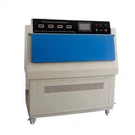
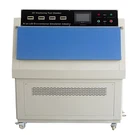
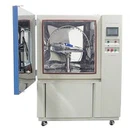
As a MIL - STD - 810G supplier, we offer a range of equipment that can help with these data management requirements. For example, our IP Dust Test Equipment is designed to conduct dust tests in a controlled environment. It comes with sensors that can collect accurate data on dust concentration and airflow, which is essential for data collection in MIL - STD - 810G testing.
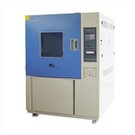
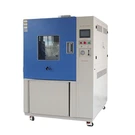
Our IEC 60529 Dust Test Chamber is another great option. It provides a stable testing environment and can be used to collect data on how equipment responds to dust exposure. And our MIL - STD - 810G 510 Blowing Dust And Sand Test Machine is specifically designed for the blowing dust and sand tests required by MIL - STD - 810G. It can collect detailed data on the effects of dust and sand on the equipment being tested.
Conclusion
In conclusion, proper data management is essential for MIL - STD - 810G testing. From data collection to storage, analysis, documentation, and traceability, every step plays a crucial role in ensuring the accuracy and reliability of the test results. And as a supplier, we're here to help you meet these data management requirements with our high - quality testing equipment.
If you're in the market for MIL - STD - 810G testing equipment or have any questions about data management in MIL - STD - 810G testing, don't hesitate to reach out. We're always happy to have a chat and help you find the right solutions for your needs.
References
- MIL - STD - 810G Military Standard: Environmental Engineering Considerations and Laboratory Tests.