

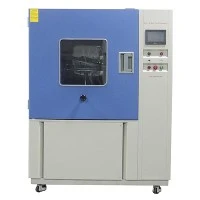

Hey there! As a supplier of IPX9k testers, I'm super excited to dive into how these nifty devices work. So, let's get right into it.
Understanding the Basics of IPX9k Testing
First off, what's the deal with IPX9k? The Ingress Protection (IP) code is a system that rates how well an electrical enclosure can keep out dust and water. The "X" in IPX9k means the device isn't tested for dust ingress, and the "9k" part refers to a specific water - resistance test. This test is designed to simulate high - pressure, high - temperature water jets, which are often encountered in industrial cleaning scenarios.
Components of an IPX9k Tester
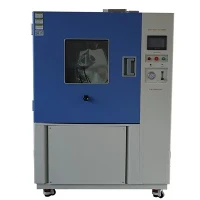
An IPX9k tester is made up of several key components. There's a water tank that stores the water needed for the test. This tank is usually large enough to hold a sufficient amount of water to complete multiple tests without frequent refilling.
The pump is another crucial part. It's responsible for pressurizing the water. The pressure required for an IPX9k test is quite high, typically around 80 - 100 bar. That's a lot of force! The pump has to be powerful enough to generate and maintain this high pressure throughout the test.
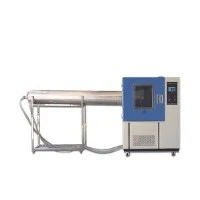
Then there are the nozzles. These are specially designed to create the high - pressure water jets. The nozzles are arranged in a specific pattern to ensure that the test object is evenly sprayed from different angles. Usually, there are four nozzles placed at 0°, 30°, 60°, and 90° angles relative to the test object.
The Testing Process
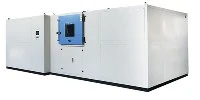
Let's walk through how an IPX9k test actually happens. First, you need to prepare the test object. This could be anything from an industrial control panel to a consumer electronic device. You place the object in a test chamber or on a test stand, making sure it's properly secured.
Once the test object is in place, the tester is set up. The water in the tank is heated to a specific temperature, usually around 80°C. This simulates the hot water used in industrial cleaning processes.
The pump is then activated, and it starts pressurizing the water. As the water reaches the required pressure, it is forced through the nozzles. The high - pressure water jets are then directed at the test object for a set period of time, typically around 30 seconds per side.


During the test, the tester monitors the test object for any signs of water ingress. This could be visible water inside the enclosure, or it could be detected through other means, such as measuring changes in electrical resistance if the device is powered.
Why IPX9k Testing is Important
IPX9k testing is crucial for a variety of industries. In the automotive industry, for example, components like engine control units and sensors need to be able to withstand high - pressure cleaning. If water gets inside these components, it can cause malfunctions, which can be dangerous.
In the food and beverage industry, equipment like conveyor belts and processing machinery need to be thoroughly cleaned with high - pressure hot water. IPX9k - rated devices can ensure that these machines can be cleaned effectively without being damaged by the water.
Comparing with Other IP Testing Equipment
If you're familiar with other IP testing equipment, you might be wondering how an IPX9k tester compares. For example, the IP65 Testing Unit is used to test for dust and low - pressure water ingress. It's a different ballgame compared to the high - pressure, high - temperature test of the IPX9k.
The Rain Water Spray Tester simulates normal rain conditions. It's useful for testing products that are exposed to the elements, but it doesn't come close to the harsh conditions of an IPX9k test.
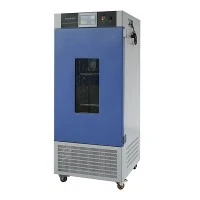
The Ingress Protection Test Chamber can be used for a variety of IP tests, including IPX9k. It provides a controlled environment for testing, ensuring accurate and repeatable results.
Quality Assurance and Calibration
To ensure accurate and reliable test results, an IPX9k tester needs to be properly calibrated. Calibration involves checking and adjusting the pressure, temperature, and flow rate of the water jets. Regular calibration is essential to maintain the integrity of the test results.
Quality assurance also involves proper maintenance of the tester. This includes cleaning the water tank, checking the pump for any signs of wear, and inspecting the nozzles for blockages.
Conclusion and Call to Action
So, there you have it! That's how an IPX9k tester works. Whether you're in the automotive, food and beverage, or any other industry that requires high - level water - resistance testing, an IPX9k tester is an essential tool.
If you're interested in purchasing an IPX9k tester or have any questions about our products, don't hesitate to reach out. We're here to help you find the right solution for your testing needs.
References
- International Electrotechnical Commission (IEC) standards for Ingress Protection (IP) ratings.
- Industry - specific guidelines for water - resistance testing in automotive and food industries.