


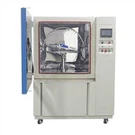
Hey there! As a supplier of UV chambers, I often get asked if a UV chamber can be used for dental instrument disinfection. Well, let's dive into this topic and see what the deal is.
First off, let's understand how UV light works for disinfection. UV light, specifically UV - C light (with a wavelength of around 200 - 280 nanometers), has germicidal properties. It can damage the DNA and RNA of microorganisms such as bacteria, viruses, and fungi. When these pathogens are exposed to UV - C light, the light disrupts their genetic material, preventing them from reproducing and ultimately killing them.
Now, let's talk about dental instruments. Dental instruments are constantly in contact with patients' mouths, which are full of various bacteria and other pathogens. Proper disinfection is crucial to prevent the spread of infections from one patient to another. Traditional methods of disinfection for dental instruments include autoclaving, chemical disinfection, etc. But could a UV chamber be a viable alternative or an additional option?
One of the major advantages of using a UV chamber for dental instrument disinfection is its non - chemical nature. Chemical disinfectants can sometimes leave residues on the instruments, which might be harmful if not properly rinsed off. UV light, on the other hand, doesn't introduce any foreign chemicals to the instruments. It's a clean and straightforward way of killing germs.
Another benefit is the speed. Depending on the power of the UV lamps in the chamber and the design of the chamber itself, disinfection can be relatively quick. This can be a huge plus in a busy dental practice where time is of the essence.
However, there are also some limitations. UV light has a limited penetration ability. It can only disinfect the surfaces that are directly exposed to the light. If the dental instruments have complex shapes or crevices, the UV light might not reach all the areas, leaving some pathogens untouched. So, it's important to ensure that the instruments are properly arranged in the chamber to maximize the exposure to UV light.
Also, the effectiveness of UV disinfection depends on several factors such as the intensity of the UV light, the duration of exposure, and the type of microorganisms. Different pathogens have different levels of resistance to UV light. For example, some spores are more resistant than regular bacteria. So, it's essential to understand the specific requirements for disinfecting dental instruments.


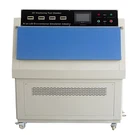
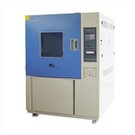
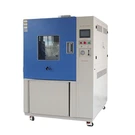
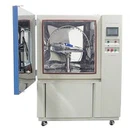
Now, let's take a look at some of the products we offer. We have an Accelerated UV Testing Equipment which is designed to provide a high - intensity UV environment. This can be very useful for quick and effective disinfection of dental instruments. Our UV Ageing Chamber is also a great option. It can simulate different UV exposure conditions, which can be adjusted according to the specific needs of dental instrument disinfection. And if you're looking for a more comprehensive solution, our Sunshine Aging Test Equipment can provide a broader spectrum of light similar to natural sunlight, which can also contribute to the disinfection process.
When it comes to using a UV chamber for dental instrument disinfection, it's important to follow some best practices. First, make sure the instruments are clean before putting them in the chamber. Any debris or organic matter on the instruments can block the UV light and reduce its effectiveness. Second, arrange the instruments in a way that all surfaces are exposed to the UV light as much as possible. You might need to use special racks or holders to achieve this.
In conclusion, a UV chamber can be a useful tool for dental instrument disinfection. It has its advantages in terms of being non - chemical and relatively fast. But it also has its limitations, especially when it comes to the penetration of UV light. If used correctly and in combination with other disinfection methods, it can be a valuable addition to a dental practice's disinfection protocol.
If you're interested in learning more about our UV chambers for dental instrument disinfection or want to discuss a potential purchase, feel free to reach out. We're here to answer all your questions and help you find the best solution for your needs.
References:
- "Disinfection and Sterilization in Health - Care Facilities" by the Centers for Disease Control and Prevention
- "UV Disinfection in the Dental Office" from various dental research journals