


Can a Product's IPX3 Rating Change Over Time?
As a provider of IPX3 testing services, I often encounter inquiries from clients about the stability of a product's IPX3 rating. The Ingress Protection (IP) code, specifically the IPX3 rating, is a crucial metric that indicates a product's resistance to water spray. But can this rating change over time? Let's delve into the factors that could potentially affect a product's IPX3 rating.
Understanding the IPX3 Rating
Before we discuss the potential changes in the IPX3 rating, it's essential to understand what this rating means. The IP code consists of two digits. The first digit represents protection against solid objects, while the second digit, in the case of IPX3, refers to protection against water spray. An IPX3 rating means that the product is protected against water spray at an angle up to 60 degrees from the vertical. This rating is commonly applied to products that may be exposed to light rain or splashes, such as outdoor lighting fixtures, certain electronic devices, and some automotive components.
Factors That Could Affect the IPX3 Rating Over Time
Several factors can contribute to a change in a product's IPX3 rating over its lifespan.
Physical Wear and Tear
One of the most common reasons for a change in the IPX3 rating is physical wear and tear. Over time, the materials used in the product may degrade. For example, rubber gaskets, which are often used to seal joints and prevent water ingress, can lose their elasticity. As these gaskets age, they may develop cracks or become less effective at creating a watertight seal. Similarly, the paint or coating on the product's surface can chip or peel, exposing the underlying material to water. This can compromise the product's ability to withstand water spray and thus lower its IPX3 rating.
Environmental Exposure
The environment in which the product is used plays a significant role in its long - term performance. Products exposed to harsh environmental conditions are more likely to experience a change in their IPX3 rating. For instance, if a product is placed in an area with high humidity, the moisture in the air can gradually corrode metal parts. Saltwater exposure, especially in coastal areas, can be even more damaging. Saltwater is highly corrosive and can eat away at the product's protective layers, increasing the risk of water ingress. Extreme temperatures can also have an impact. High temperatures can cause materials to expand, while low temperatures can make them contract. These repeated cycles of expansion and contraction can lead to the loosening of joints and seals, reducing the product's water - resistance.
Mechanical Stress
Mechanical stress can also affect the IPX3 rating of a product. If a product is subject to vibrations, shocks, or impacts during its use, it can cause internal components to shift or damage the external structure. For example, a product that is installed in a vehicle may experience constant vibrations. These vibrations can gradually loosen screws or other fasteners, which can then allow water to enter the product. Similarly, if a product is dropped or bumped, it may crack or break, compromising its water - tightness.
The Importance of Regular Testing
Given these potential factors that can change a product's IPX3 rating over time, regular testing is crucial. As an IPX3 test supplier, I strongly recommend that manufacturers and users of IPX3 - rated products conduct periodic tests to ensure that the products still meet the required standards.
Regular testing can help identify any issues early on. If a product fails an IPX3 test, it can be repaired or replaced before water damage occurs. This not only helps to protect the product itself but also any other components or systems that it may be connected to. For example, if an IPX3 - rated electrical device fails its water - resistance test, it could pose a safety hazard due to the risk of electrical short - circuits.
Our IPX3 Testing Services
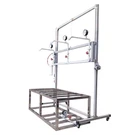
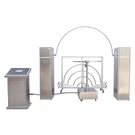
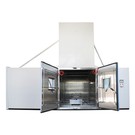
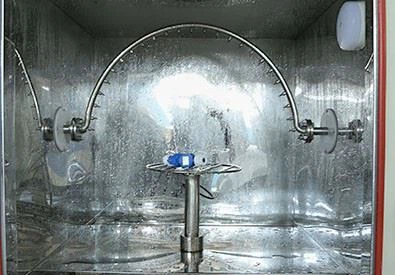
At our company, we offer comprehensive IPX3 testing services using state - of - the - art equipment. Our IPX3 Test Chamber is designed to simulate real - world water spray conditions accurately. The chamber can be adjusted to control the angle and intensity of the water spray, ensuring that the test results are reliable and consistent.
We also have a range of IP Test Machine that can be used for different types of IP testing, including IPX3. These machines are calibrated regularly to maintain their accuracy and precision. In addition, our IPX3 X4 Test Chamber is suitable for products that may require testing for both IPX3 and IPX4 ratings, providing a cost - effective solution for our clients.
How to Ensure a Stable IPX3 Rating
To maintain a stable IPX3 rating for a product, manufacturers can take several preventive measures.
Quality Materials and Design
Using high - quality materials is essential. Selecting materials that are resistant to corrosion, wear, and environmental factors can significantly extend the product's lifespan and maintain its water - resistance. In addition, a well - designed product with proper sealing and drainage features can help prevent water from accumulating inside the product.
Regular Maintenance
Regular maintenance is also crucial. This includes inspecting the product for any signs of damage, replacing worn - out parts, and cleaning the product to remove any dirt or debris that could affect its performance.
Conclusion
In conclusion, a product's IPX3 rating can change over time due to physical wear and tear, environmental exposure, and mechanical stress. However, by conducting regular testing and taking preventive measures, manufacturers and users can ensure that the product maintains its water - resistance and continues to meet the required standards.

If you are interested in our IPX3 testing services or have any questions about maintaining your product's IPX3 rating, please feel free to contact us. We are here to help you ensure the quality and reliability of your products.
References
- International Electrotechnical Commission (IEC). "IEC 60529 - Degrees of protection provided by enclosures (IP Code)".
- Various industry reports on the impact of environmental factors on product durability.