





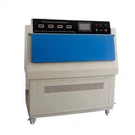
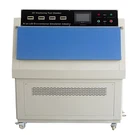
Hey there! I'm a supplier of CCT chambers, and I often get asked if these chambers can be used in coastal areas. Well, let's dig into this topic and find out.
First off, let's understand what CCT chambers are. CCT stands for cyclic corrosion test chambers. These chambers are used to simulate different environmental conditions to test how materials and products will hold up against corrosion over time. They're super useful in industries like automotive, aerospace, and construction, where corrosion can cause big problems.
Now, coastal areas have a unique environment. The air near the coast is often filled with salt particles, which can be pretty corrosive. The humidity is also usually higher, and there are often strong winds. All these factors combined can make it a tough place for materials and products.
So, can CCT chambers be used in coastal areas? The short answer is yes, but there are some things to keep in mind.
One of the main concerns in coastal areas is the salt in the air. Salt can accelerate the corrosion process, so it's important that the CCT chamber can handle this. Most modern CCT chambers are designed to simulate salt spray conditions, like the ASTM B117 Salt Fog Test. This test involves spraying a salt solution onto the test samples to see how they react. If a CCT chamber can pass this test, it's a good sign that it can handle the salt in coastal air.
Another thing to consider is the humidity. Coastal areas tend to have high humidity levels, which can also contribute to corrosion. A good CCT chamber should be able to control the humidity inside the chamber accurately. This way, you can simulate the real - world conditions in a coastal area and get reliable test results.
The construction of the CCT chamber is also crucial. The materials used should be resistant to corrosion. For example, the chamber should be made of materials that won't rust easily, like stainless steel. And the seals and gaskets should be made of materials that can withstand the harsh coastal environment.
Now, let's talk about some of the benefits of using CCT chambers in coastal areas. For industries that operate in coastal regions, like shipping and offshore oil and gas, it's essential to test their products' corrosion resistance. By using a CCT chamber, they can predict how their products will perform in the real - world coastal environment before they're deployed. This can save a lot of money in the long run by preventing costly failures and repairs.
Let's take a look at some of the features of the CCT chambers we supply. Our chambers are equipped with advanced sensors and controls. They can accurately simulate a wide range of environmental conditions, including the high salt content and humidity of coastal areas. We also offer different types of salt spray systems, like the Nozzle Salt Spray Fog Corrosion Tester and the Fog Salt Spray Test Machine. These systems can create a fine mist of salt solution, which is similar to the salt - laden air in coastal areas.
In addition, our CCT chambers are easy to operate and maintain. We provide comprehensive training and support to our customers, so they can get the most out of their chambers. And we offer a warranty on all our products, giving our customers peace of mind.
Of course, there are some challenges when using CCT chambers in coastal areas. One of the challenges is the power supply. Coastal areas may have unstable power grids, so it's important to have a backup power source for the chamber. Another challenge is the transportation and installation of the chamber. Coastal areas may have difficult terrain and weather conditions, which can make it tricky to move and set up the chamber.
But don't worry, we've got solutions for these challenges. We can help our customers choose the right backup power source for their needs. And our installation team has experience working in different environments, so they can handle the transportation and installation process smoothly.
If you're in a coastal area and need to test the corrosion resistance of your products, a CCT chamber is a great investment. It can help you ensure the quality and reliability of your products, and save you money in the long run.


If you're interested in learning more about our CCT chambers or want to discuss your specific testing needs, I'd love to hear from you. Just reach out to us, and we can start a conversation about how our products can meet your requirements. Whether you're in the shipping industry, offshore oil and gas, or any other industry that operates in coastal areas, we're here to help you find the right solution.
In conclusion, CCT chambers can definitely be used in coastal areas. With the right design, features, and support, they can accurately simulate the harsh coastal environment and provide valuable insights into the corrosion resistance of your products. So, don't hesitate to take the next step and consider using a CCT chamber for your testing needs.
References
- ASTM International. (n.d.). ASTM B117 - Standard Practice for Operating Salt Spray (Fog) Apparatus.
- Corrosion Testing Handbook. (n.d.). A comprehensive guide on corrosion testing methods and equipment.