


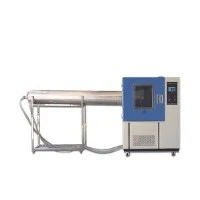
In the realm of product testing, the IPX4 test holds significant importance, especially for products that are expected to withstand splashing water from any direction. As a seasoned IPX4 test service provider, I often encounter a crucial question from our clients: Can a product with a damaged enclosure pass the IPX4 test? This blog post aims to delve into this question, exploring the technical aspects, implications, and practical considerations.
Understanding the IPX4 Test
Before we can address whether a damaged enclosure can pass the IPX4 test, it's essential to understand what the IPX4 test entails. The International Protection Marking (IP) system, defined by the IEC 60529 standard, is used to classify the degree of protection provided by enclosures of electrical equipment against the ingress of solid objects and water. The "X" in IPX4 indicates that there is no protection rating for solid objects, while the "4" denotes protection against splashing water from any direction.
During an IPX4 test, the product is subjected to water splashing from all directions at a specific angle and intensity for a set period. The water is typically sprayed using a nozzle or a series of nozzles, and the test is conducted in a controlled environment to ensure accurate and repeatable results. The purpose of the test is to determine whether the product's enclosure can prevent water from entering in sufficient quantity to cause harmful effects to the internal components.
The Impact of a Damaged Enclosure
A damaged enclosure can significantly affect a product's ability to pass the IPX4 test. The enclosure serves as the first line of defense against water ingress, and any damage, such as cracks, holes, or loose seals, can compromise its integrity. Even a small crack can allow water to seep into the enclosure, potentially causing short circuits, corrosion, or other damage to the internal components.
The severity of the damage and its location on the enclosure are crucial factors in determining the likelihood of passing the IPX4 test. A minor scratch on the surface of the enclosure may not necessarily prevent the product from passing the test, especially if it does not penetrate the inner layers. However, a large crack or a hole in a critical area, such as near the electrical connections or the ventilation openings, is more likely to result in water ingress and failure of the test.
Factors Affecting the Test Outcome
In addition to the damage to the enclosure, several other factors can influence whether a product with a damaged enclosure can pass the IPX4 test. These factors include:
- Design and Construction: The design and construction of the product play a significant role in its ability to withstand water splashing. Products with a well-designed enclosure, including proper sealing and gaskets, are more likely to pass the test even with minor damage. On the other hand, products with a poor design or construction may be more vulnerable to water ingress, even without any visible damage.
- Internal Protection Measures: Some products may have internal protection measures, such as waterproof coatings, conformal coatings, or encapsulation, that can provide an additional layer of protection against water ingress. These measures can help to mitigate the effects of a damaged enclosure and increase the likelihood of passing the IPX4 test.
- Test Conditions: The test conditions, including the water pressure, flow rate, and duration of the test, can also affect the test outcome. A more severe test condition, such as a higher water pressure or a longer test duration, may increase the likelihood of water ingress and failure of the test, even for a product with a minor damaged enclosure.
Case Studies and Examples
To illustrate the impact of a damaged enclosure on the IPX4 test outcome, let's consider a few case studies and examples.
Case Study 1: A Smartphone with a Cracked Screen
A smartphone with a cracked screen is a common example of a product with a damaged enclosure. The crack in the screen can allow water to seep into the phone, potentially causing damage to the internal components. In this case, the smartphone is unlikely to pass the IPX4 test, especially if the crack is large or if it extends to the edges of the screen.
Case Study 2: A Wearable Device with a Loose Seal
A wearable device, such as a smartwatch or a fitness tracker, with a loose seal around the battery compartment or the display is another example of a product with a damaged enclosure. The loose seal can allow water to enter the device, even if the rest of the enclosure is intact. In this case, the wearable device may fail the IPX4 test, depending on the severity of the seal damage and the location of the water splashing.
Case Study 3: A Industrial Control Panel with a Minor Scratch
An industrial control panel with a minor scratch on the surface of the enclosure is an example of a product with a relatively minor damaged enclosure. If the scratch does not penetrate the inner layers of the enclosure and does not affect the sealing of the panel, the control panel may still be able to pass the IPX4 test. However, it's important to note that the test outcome may still depend on other factors, such as the design and construction of the panel and the test conditions.
Testing and Evaluation
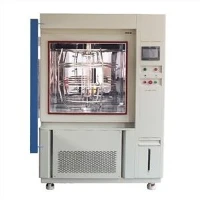
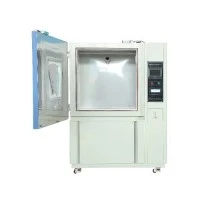
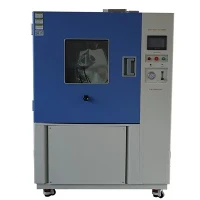
If you have a product with a damaged enclosure and you need to determine whether it can pass the IPX4 test, it's recommended to conduct a thorough testing and evaluation. At our IPX4 test facility, we use state-of-the-art equipment, such as the MIL STD 810 Water Test Chamber, IP Test Chamber, and GMW 16001 Water Leakage Test Equipment, to simulate the IPX4 test conditions and accurately evaluate the product's performance.
During the testing process, we carefully inspect the product for any signs of water ingress, such as water stains, corrosion, or electrical malfunctions. We also measure the amount of water that enters the enclosure, if any, and compare it to the acceptable limits specified by the IPX4 standard. Based on the test results, we can provide you with a detailed report and recommendations on whether the product can pass the IPX4 test and what steps you can take to improve its performance.
Conclusion and Recommendations
In conclusion, a product with a damaged enclosure may or may not pass the IPX4 test, depending on the severity of the damage, the location of the damage, the design and construction of the product, and the test conditions. While a minor damaged enclosure may not necessarily prevent the product from passing the test, a major damaged enclosure is more likely to result in water ingress and failure of the test.
If you have a product with a damaged enclosure and you need to ensure its compliance with the IPX4 standard, it's recommended to consult with a professional IPX4 test service provider. At our company, we have the expertise and experience to accurately evaluate your product's performance and provide you with the necessary recommendations and solutions.
If you are interested in our IPX4 test services or have any questions about the IPX4 test, please feel free to contact us. We look forward to working with you and helping you ensure the quality and reliability of your products.


References
- IEC 60529: Degrees of protection provided by enclosures (IP Code)
- MIL-STD-810: Environmental Engineering Considerations and Laboratory Tests
- GMW 16001: Water Leakage Test Specification