



Hey there! As a supplier specializing in IPX3 testing, I often get asked about the specific test requirements for IPX3 tests on power tools. In this blog, I'll break down what you need to know about this crucial testing process.
What is the IPX3 Test?
First off, let's quickly go over what the IPX3 test is. The IP (Ingress Protection) code is an international standard that classifies the degree of protection provided by enclosures of electrical equipment against the intrusion of solid objects and water. The "X" in IPX3 represents that there's no specific protection requirement against solid objects, and the "3" indicates protection against water sprayed at an angle up to 60 degrees from the vertical.
For power tools, this test is super important. Power tools are often used in various environments, and they need to be able to withstand some level of water spray without getting damaged. Whether it's a bit of rain on a construction site or some water splashes in a workshop, the IPX3 test ensures that the power tools can handle these situations.
Specific Test Requirements
Test Equipment
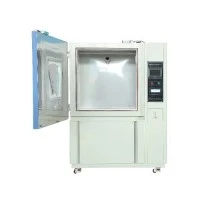
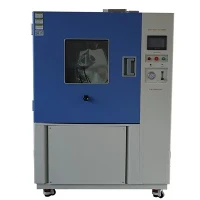
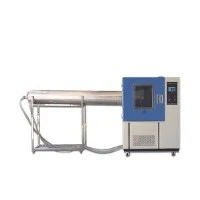
To conduct an IPX3 test on power tools, you need the right equipment. One option is the IPX7 IPX8 Water Submersion Test Equipment. Although it's named for IPX7 and IPX8, it can also be adjusted to meet the requirements of the IPX3 test. This equipment typically consists of a water spray nozzle and a chamber where the power tool is placed during the test.
The nozzle is designed to spray water at a specific angle and intensity. For the IPX3 test, the water should be sprayed at an angle of up to 60 degrees from the vertical. The intensity of the water spray is also regulated. Usually, the water flow rate is set at a certain level to simulate real - world water spray conditions.
Another piece of equipment that can be used is the MIL - STD - 810 Water Spray Chamber. This chamber is designed to meet military standards but can also be adapted for IPX3 testing. It provides a controlled environment where the power tool can be tested under consistent water spray conditions.
Test Conditions
The test conditions for the IPX3 test on power tools are quite specific. The power tool should be in an operating state during the test, if possible. This is because the way the tool functions can affect how water interacts with it. For example, the moving parts of a power drill might draw water in differently than when the drill is stationary.
The test duration is also an important factor. Generally, the power tool needs to be exposed to the water spray for a certain period. This period can vary depending on the type of power tool and the specific requirements of the test standard. Usually, it's around 10 - 15 minutes, but it could be longer in some cases.
The water temperature during the test is also regulated. It should be within a certain range, typically around room temperature (about 20 - 25 degrees Celsius). This ensures that the test results are consistent and comparable across different tests.
Test Procedure
Before starting the test, the power tool needs to be inspected thoroughly. Check for any visible damage or defects that could affect the test results. Make sure all the components of the power tool are properly assembled and functioning.
Once the power tool is placed in the test chamber, the water spray is started. The nozzle should be positioned at the correct angle (up to 60 degrees from the vertical) and the water flow rate should be set according to the standard. The power tool should be rotated during the test to ensure that all sides are exposed to the water spray.
After the test is completed, the power tool is removed from the chamber and inspected again. Look for any signs of water ingress, such as water inside the housing, on the electrical components, or on the moving parts. The power tool should also be tested to make sure it still functions properly. If there are any issues, the power tool fails the IPX3 test.
Why These Requirements Matter
These specific test requirements are crucial for several reasons. Firstly, they ensure the safety of the end - users. If a power tool fails to meet the IPX3 standard, there's a risk of electrical shock or other malfunctions when it's exposed to water spray.
Secondly, it helps manufacturers maintain the quality of their products. By adhering to the IPX3 test requirements, manufacturers can be confident that their power tools are reliable and can withstand normal water spray conditions. This can enhance the reputation of the brand and increase customer satisfaction.
Our Role as an IPX3 Test Supplier
As an IPX3 test supplier, we play a vital role in this process. We have the expertise and the equipment to conduct accurate and reliable IPX3 tests on power tools. Our team of technicians is trained to follow the test requirements precisely, ensuring that the test results are valid.
We also offer customized testing solutions. Different power tools may have different testing needs, and we can adjust the test parameters accordingly. Whether it's a small handheld power tool or a large industrial power machine, we can provide the appropriate IPX3 test.
In addition, we can provide detailed test reports. These reports include all the information about the test, such as the test conditions, the results, and any observations. This information is valuable for manufacturers, as it can help them improve their products and meet the market requirements.
Contact Us for IPX3 Testing
If you're a manufacturer of power tools and you need IPX3 testing services, don't hesitate to get in touch with us. We're here to help you ensure that your power tools meet the necessary standards and provide a high - quality product to your customers. Whether you have questions about the test requirements or you're ready to schedule a test, we're just a message away.
References
- International Electrotechnical Commission (IEC) standards related to IP codes.
- Industry best practices for power tool testing.
So, that's all about the specific test requirements for IPX3 tests on power tools. I hope this blog has been helpful to you!

