


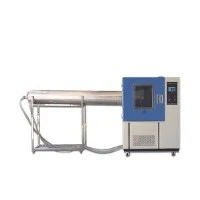
Hey there! As a supplier of Xenon testers, I often get asked if these nifty machines can be used for testing packaging materials. Well, let's dive right into it and see what the deal is.
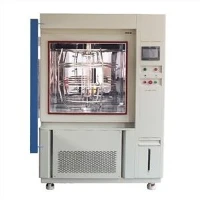
First off, let's talk a bit about what a Xenon tester is. A Xenon tester is a piece of equipment that simulates the effects of sunlight, heat, and moisture on various materials. It uses a xenon arc lamp to produce a spectrum of light that closely mimics natural sunlight, including UV, visible, and infrared radiation. This allows us to test how materials will hold up over time when exposed to the elements.
Now, when it comes to packaging materials, there are a whole bunch of factors that can affect their performance. Sunlight, for example, can cause colors to fade, materials to become brittle, and even affect the integrity of the packaging itself. Heat and moisture can also play a role, causing materials to expand, contract, or degrade. That's where a Xenon tester comes in handy.


One of the main benefits of using a Xenon tester to test packaging materials is that it can accelerate the aging process. Instead of waiting months or even years to see how a material will perform in real-world conditions, we can use a Xenon tester to simulate years of exposure in just a few weeks or months. This allows us to quickly identify any potential issues and make adjustments to the packaging design or materials before the product hits the market.
Another advantage of using a Xenon tester is that it provides a more accurate and consistent way to test materials. The xenon arc lamp used in the tester produces a very stable and reproducible light source, which means that the results of the tests are more reliable. This is important when it comes to ensuring the quality and durability of packaging materials, as even small variations in the testing conditions can have a big impact on the results.
So, what types of packaging materials can be tested using a Xenon tester? Pretty much any type of material that is exposed to sunlight or other environmental factors can be tested. This includes plastic, paper, cardboard, glass, and metal. For example, if you're packaging a food product in a plastic container, you can use a Xenon tester to see how the plastic will hold up over time when exposed to sunlight and heat. You can also test the ink used on the packaging to make sure it doesn't fade or smudge.
Let's take a closer look at some of the specific tests that can be performed using a Xenon tester. One common test is the colorfastness test. This test measures how well the color of a material holds up when exposed to sunlight. The material is placed in the Xenon tester and exposed to a specific amount of light for a set period of time. After the test is complete, the color of the material is compared to the original color to see if there has been any fading or discoloration.
Another important test is the weathering test. This test simulates the effects of long-term exposure to sunlight, heat, and moisture on a material. The material is placed in the Xenon tester and exposed to a cycle of light, heat, and humidity for a period of time. This cycle is repeated multiple times to simulate years of exposure in a short period. After the test is complete, the material is examined for any signs of degradation, such as cracking, peeling, or loss of strength.
In addition to these tests, a Xenon tester can also be used to test the adhesion of labels and printing on packaging materials. The labels and printing are exposed to the same conditions as the packaging material itself, and then the adhesion is tested to make sure it is still strong. This is important to ensure that the labels and printing don't peel off or fade over time, which could affect the appearance and functionality of the packaging.
Now, I know what you might be thinking. "This all sounds great, but how do I know if a Xenon tester is right for my packaging testing needs?" Well, that's a valid question. The best way to determine if a Xenon tester is suitable for your application is to consult with a knowledgeable supplier. As a Xenon tester supplier, I can help you understand the capabilities of our testers and recommend the right model for your specific needs.
We offer a range of Xenon testers, including Light Fastness Tester, Light Testing Chamber, and ASTM 4355 Test Chamber. These testers are designed to meet the needs of different industries and applications, and they come with a variety of features and options to ensure accurate and reliable testing.
If you're in the market for a Xenon tester for packaging material testing, I encourage you to reach out to us. We can provide you with more information about our products, answer any questions you might have, and even arrange a demonstration if you'd like to see the tester in action. Our team of experts is here to help you make the right decision and ensure that you get the most out of your investment.
Contact us today to discuss your packaging testing needs and find out how a Xenon tester can help you improve the quality and durability of your products. Whether you're a small business or a large corporation, we have the right solution for you. Let's work together to ensure that your packaging materials can withstand the test of time.
References
- Various industry standards and guidelines related to material testing and weathering
- Technical literature provided by Xenon tester manufacturers