




In the realm of paint quality assessment, the question of whether a Xenon tester can be used for testing paints is both relevant and significant. As a supplier of Xenon testers, I am well - versed in the capabilities and applications of these sophisticated testing devices, and I am eager to share insights on this topic.
Understanding the Basics of Paint Testing
Paints are used in a wide range of applications, from automotive finishes to architectural coatings. The quality of paint is judged by several factors, including its resistance to fading, cracking, chalking, and adhesion over time. These factors are influenced by environmental conditions such as sunlight, humidity, and temperature. To ensure that paints meet the required standards and perform well in real - world scenarios, rigorous testing is essential.
How Xenon Testers Work
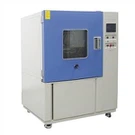
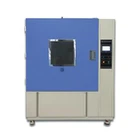
A Xenon tester, often referred to as a Xenon Arc Lamp Accelerated Aging Test Chamber, is a specialized piece of equipment designed to simulate the effects of natural sunlight and other environmental factors in a controlled laboratory setting. The heart of a Xenon tester is the xenon arc lamp, which emits a broad - spectrum light that closely mimics the solar spectrum, including ultraviolet (UV), visible, and infrared (IR) radiation.
In addition to light, Xenon testers can also simulate other environmental conditions such as temperature, humidity, and rainfall. By precisely controlling these variables, the tester can accelerate the aging process of paint samples, allowing manufacturers to predict how the paint will perform over an extended period in a much shorter time frame.
Advantages of Using Xenon Testers for Paint Testing
1. Accurate Simulation of Sunlight
The xenon arc lamp in a Xenon tester provides a highly accurate simulation of natural sunlight. This is crucial because UV radiation is one of the primary causes of paint degradation, such as fading and chalking. By exposing paint samples to a similar spectrum of light as they would encounter outdoors, Xenon testers can accurately predict how the paint will respond to long - term sunlight exposure.
2. Comprehensive Environmental Simulation
Xenon testers can simulate not only sunlight but also other environmental factors that affect paint performance. For example, they can introduce cycles of humidity and temperature changes, as well as simulate rainfall. This comprehensive simulation allows for a more realistic assessment of how the paint will hold up in different climates and weather conditions.
3. Accelerated Testing
One of the most significant advantages of using a Xenon tester is the ability to accelerate the aging process. In a natural outdoor environment, it may take months or even years for paint to show signs of degradation. However, in a Xenon tester, the same level of degradation can be achieved in a matter of weeks or even days. This allows paint manufacturers to quickly evaluate new formulations and make necessary adjustments before bringing the product to market.
Comparison with Other Testing Methods
Weather Ometer
The Weather Ometer is another well - known testing device for paints. While it also simulates natural weathering conditions, the Xenon tester offers a more accurate simulation of sunlight due to the use of a xenon arc lamp. The Weather Ometer may use other light sources that do not precisely match the solar spectrum, which can lead to less accurate predictions of paint performance.
UV Fluorescence Durability Tester
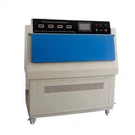
The UV Fluorescence Durability Tester focuses primarily on the effects of UV radiation on paint. While UV radiation is an important factor in paint degradation, it does not account for other environmental factors such as visible light, infrared radiation, humidity, and temperature changes. In contrast, a Xenon tester provides a more comprehensive simulation of the real - world environment, making it a more reliable choice for overall paint testing.
Specific Applications in Paint Testing
Automotive Paints
Automotive paints need to withstand harsh environmental conditions, including intense sunlight, temperature variations, and exposure to road debris. Xenon testers can be used to test the colorfastness, adhesion, and resistance to cracking of automotive paints. By simulating different driving conditions and climates, manufacturers can ensure that their paints meet the high - quality standards required for the automotive industry.
Architectural Paints
Architectural paints are exposed to a variety of weather conditions over long periods. Xenon testers can help evaluate how these paints will perform in terms of color retention, mildew resistance, and peeling. This is particularly important for exterior paints, which need to maintain their appearance and protective properties for many years.
Industrial Paints
Industrial paints are used in a wide range of applications, from machinery coatings to protective finishes for metal structures. Xenon testers can be used to test the durability and corrosion resistance of these paints under different environmental conditions. This helps ensure that industrial equipment and structures are adequately protected and maintain their functionality over time.
Limitations and Considerations
While Xenon testers offer many advantages for paint testing, there are also some limitations and considerations to keep in mind.
Cost
Xenon testers are relatively expensive pieces of equipment, both in terms of the initial purchase price and the ongoing operating costs. The xenon arc lamps need to be replaced periodically, and the energy consumption of the tester can be significant. However, the benefits of accurate and accelerated testing often outweigh the costs, especially for large - scale paint manufacturers.
Sample Size and Shape
The size and shape of the paint samples that can be tested in a Xenon tester may be limited. This can be a challenge when testing large - scale or irregularly shaped paint applications. However, most modern Xenon testers are designed to accommodate a variety of sample sizes and shapes to some extent.
Complexity of Operation
Operating a Xenon tester requires a certain level of technical expertise. The tester needs to be calibrated correctly, and the environmental conditions need to be carefully controlled. Improper operation can lead to inaccurate test results. Therefore, it is important for users to receive proper training on how to use the equipment.


Conclusion
In conclusion, a Xenon tester can indeed be effectively used for testing paints. Its ability to accurately simulate natural sunlight and other environmental factors, along with its accelerated testing capabilities, make it a valuable tool for paint manufacturers. While there are some limitations and considerations, the benefits of using a Xenon tester far outweigh the drawbacks.
If you are in the paint manufacturing industry or involved in any application where paint quality is crucial, I encourage you to consider using a Xenon tester for your testing needs. Our company offers a range of high - quality Xenon testers that are designed to meet the diverse requirements of different industries. We are committed to providing excellent customer service and technical support to ensure that you get the most out of your testing equipment. If you are interested in learning more about our Xenon testers or would like to discuss your specific testing requirements, please feel free to reach out to us. We look forward to the opportunity to work with you and help you ensure the highest quality of your paint products.
References
- ASTM International. (20XX). Standard test methods for accelerated weathering of paints and related coatings.
- ISO Standards. (20XX). Paints and varnishes - Exposure to artificial weathering - Exposure to filtered xenon - arc radiation.
- Paint and Coatings Industry Magazine. (20XX). Advancements in paint testing technology.