


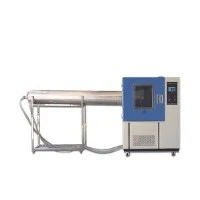
Yo, folks! As a heating oven supplier, I get tons of questions from customers, and one that pops up a lot is, "Can I use aluminum foil in a heating oven?" Well, let's dig into this topic and find out the ins and outs.
First off, aluminum foil is a common household item. You've probably used it to cover leftovers, wrap sandwiches, or even line baking pans. It's super versatile and handy. But when it comes to using it in a heating oven, there are some things you need to know.
The Basics of Aluminum Foil
Aluminum foil is made from thin sheets of aluminum metal. It's known for its high heat conductivity, which means it can transfer heat quickly. This property makes it useful for many cooking and baking tasks. For example, you can use it to shield parts of a dish from over - browning or to create a makeshift lid for a casserole.
Using Aluminum Foil Safely in a Heating Oven
The short answer is, yes, you can use aluminum foil in a heating oven, but with some precautions.
Positive Uses
- Shielding: If you're baking a chicken or a turkey and you notice that the wings or the tips of the legs are getting too brown too quickly, you can wrap them in aluminum foil. This will protect these parts from overcooking while the rest of the meat continues to cook evenly.
- Lining Baking Pans: Lining a baking pan with aluminum foil makes cleanup a breeze. You can simply lift out the foil with all the food residue on it, and you don't have to scrub the pan.
Precautions
- Avoid Contact with Heating Elements: One of the most important things to remember is to keep the aluminum foil away from the heating elements in the oven. If the foil touches the heating elements, it can cause a short - circuit, which is not only dangerous but can also damage your oven.
- Don't Cover the Entire Oven Floor: Covering the entire oven floor with aluminum foil can block the airflow in the oven. This can disrupt the even distribution of heat, leading to uneven cooking. If you want to use foil to catch drips, it's better to place it on a lower rack rather than directly on the oven floor.
Impact on Cooking
Using aluminum foil can also have an impact on how your food cooks.
- Heat Reflection: Aluminum foil reflects heat, which can speed up the cooking process in some cases. For example, if you're baking cookies on a foil - lined pan, the cookies may cook a bit faster because the heat is being reflected back onto them.
- Moisture Retention: Foil can help retain moisture in your food. When you wrap a piece of fish or a vegetable in foil and bake it, the steam that is generated inside the foil packet helps keep the food moist and tender.
Different Types of Heating Ovens
There are different types of heating ovens, and the rules for using aluminum foil may vary slightly.
Conventional Ovens
In a conventional oven, which has a single heating element at the bottom, using aluminum foil is generally safe as long as you follow the precautions mentioned above. You can use it to line pans, shield food, or create foil packets.
Convection Ovens
Convection ovens have a fan that circulates hot air around the food. This means that the airflow is more important in a convection oven. When using aluminum foil in a convection oven, make sure it doesn't block the fan or the vents. Otherwise, it can disrupt the air circulation and affect the cooking performance.
Our Heating Ovens and Aluminum Foil
As a heating oven supplier, we've designed our ovens to be compatible with the use of aluminum foil, as long as the proper guidelines are followed. Our ovens are built with safety features to minimize the risk of short - circuits and other issues.
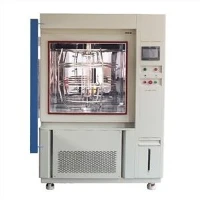
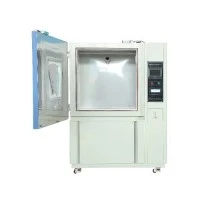
We also offer a range of high - quality heating ovens that are suitable for different cooking needs. For example, our Wire High Temperature Air Cycle Oven is great for industrial - scale cooking or heating applications. It has a powerful heating system and excellent airflow design, allowing you to use aluminum foil safely for various tasks.
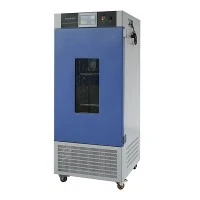
If you're looking for a more versatile option for home use, our Thermal Electronic Testing Equipment can be a great choice. It offers precise temperature control and is designed to provide even heat distribution, whether you're using aluminum foil or not.
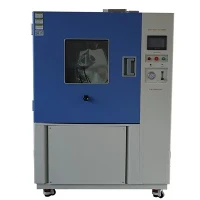
And for those who need to test the performance of materials under different temperature conditions, our Dry Heat And Cold Climatic Test Chamber is a top - notch solution. While it's not exactly for cooking, it shows our expertise in creating reliable heating and cooling equipment.
Conclusion
So, to sum it up, you can definitely use aluminum foil in a heating oven, but you need to do it right. Follow the precautions, be aware of how it can affect the cooking process, and make sure it's compatible with your specific oven type.
If you're in the market for a new heating oven or have any questions about using aluminum foil in our products, don't hesitate to reach out. We're here to help you make the best choice for your cooking and heating needs. Whether you're a home cook or a professional chef, we've got the right oven for you. Let's start a conversation and find the perfect heating oven for your requirements.


References
- "Cooking with Aluminum Foil: Is It Safe?" Healthline
- "Using Aluminum Foil in the Oven: Do's and Don'ts" Martha Stewart