


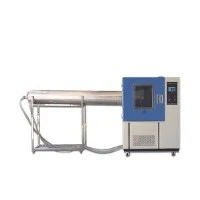
Light is a crucial environmental factor that significantly impacts the aging process of materials. As an aging test supplier, understanding how light affects the aging test of materials is essential for providing accurate and reliable testing services. In this blog, we will delve into the mechanisms by which light influences material aging, the types of light that cause damage, and how we, as an aging test supplier, can help clients assess and mitigate these effects.
The Mechanisms of Light - Induced Material Aging
Light-induced aging of materials occurs through several mechanisms, primarily photodegradation and photooxidation. Photodegradation is the process by which light energy breaks chemical bonds in a material. When a material absorbs photons of light, the energy can be sufficient to disrupt the molecular structure of the material. For example, in polymers, the high - energy photons can break the long - chain polymer molecules into smaller fragments. This leads to a reduction in the material's mechanical properties such as strength, flexibility, and toughness.
Photooxidation, on the other hand, involves the reaction of the material with oxygen in the presence of light. The absorbed light energy can excite the material's molecules, making them more reactive towards oxygen. This results in the formation of new chemical species such as peroxides and carbonyl groups. These oxidation products can further catalyze the degradation process and cause discoloration, embrittlement, and loss of other functional properties of the material.
Types of Light that Cause Material Aging
Not all types of light have the same impact on material aging. The most damaging types of light are ultraviolet (UV) light and short - wavelength visible light.
Ultraviolet (UV) Light
UV light has a shorter wavelength and higher energy compared to visible light. It is divided into three sub - ranges: UVA (320 - 400 nm), UVB (280 - 320 nm), and UVC (100 - 280 nm). UVC is mostly absorbed by the Earth's atmosphere and does not reach the surface in significant amounts. However, UVA and UVB can penetrate the atmosphere and cause substantial damage to materials.
UVA light can penetrate deep into the material and cause long - term degradation. It is responsible for the yellowing and embrittlement of many polymers, as well as the fading of dyes and pigments in coatings and textiles. UVB light, with its higher energy, can cause more severe and rapid damage. It can break the chemical bonds in materials more easily, leading to surface cracking and loss of gloss.
Short - Wavelength Visible Light
Although visible light has lower energy than UV light, the short - wavelength end of the visible spectrum (blue light, approximately 400 - 500 nm) can also contribute to material aging. Blue light can cause photochemical reactions in some materials, especially those containing chromophores (light - absorbing groups). This can lead to color changes and degradation of the material's physical properties over time.
Impact on Different Types of Materials
Polymers
Polymers are widely used in various industries, and they are particularly susceptible to light - induced aging. For example, polycarbonate, a common engineering plastic, can become brittle and develop cracks when exposed to UV light. The photodegradation of polycarbonate is mainly due to the breakage of the carbonate linkages in its molecular structure.
In the case of polyethylene and polypropylene, photooxidation is the dominant aging mechanism. The formation of carbonyl groups on the polymer chains leads to a decrease in molecular weight and a loss of mechanical properties. This can be a significant problem for applications such as plastic pipes, automotive parts, and packaging materials.
Coatings
Coatings are used to protect the underlying materials and enhance their aesthetic appearance. However, they are also vulnerable to light damage. UV light can cause the breakdown of the resin matrix in coatings, leading to loss of adhesion, cracking, and chalking. The pigments in the coatings can also fade under the influence of light, resulting in a change in color and appearance.


Textiles
Textiles, especially those made from natural fibers such as cotton and silk, can be affected by light. UV light can break the cellulose chains in cotton, reducing its strength and causing yellowing. In silk, the protein fibers can be damaged by light, leading to a loss of luster and softness. Synthetic fibers like polyester and nylon are also not immune to light aging, although they may be more resistant than natural fibers.
Our Role as an Aging Test Supplier
As an aging test supplier, we offer a range of services to help our clients understand and manage the impact of light on their materials.
Light - Aging Testing Equipment
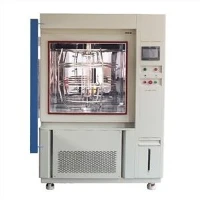
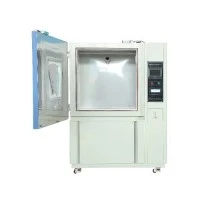
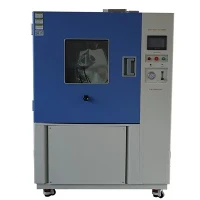
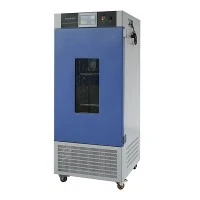
We provide state - of - the - art testing equipment that can simulate different light conditions. Our Cryogenic Tester can be used in conjunction with light - aging tests to study the combined effects of low temperatures and light on materials. The Cold Heat Temperature Humidity Test Chamber allows us to control temperature and humidity during light - aging experiments, which is important as these factors can also influence the aging process. The Environmental Chamber Humidity Control Chamber is designed to maintain a stable humidity environment, which can affect the rate of photooxidation in some materials.
Customized Testing Protocols
We understand that different materials have different sensitivities to light. Therefore, we develop customized testing protocols based on the specific requirements of our clients. For example, for a client in the automotive industry, we may design a test that simulates the light exposure conditions inside a car cabin, including the intensity and spectrum of light, as well as the temperature and humidity variations.
Data Analysis and Reporting
After conducting the aging tests, we provide detailed data analysis and reports to our clients. Our reports include information on the changes in the material's physical and chemical properties over time, such as color change, loss of mechanical strength, and formation of degradation products. We also offer recommendations on how to improve the material's resistance to light aging, such as using UV stabilizers or changing the material formulation.
Contact Us for Procurement and Consultation
If you are interested in learning more about our aging test services or need to conduct light - aging tests on your materials, we encourage you to contact us. Our team of experts is ready to assist you in understanding the impact of light on your materials and developing effective strategies to mitigate the aging effects. Whether you are a manufacturer, researcher, or engineer, we can provide the solutions you need to ensure the long - term performance of your materials.
References
- ASTM G154 - Standard Practice for Operating Fluorescent Ultraviolet (UV) Lamp Apparatus for Exposure of Non - metallic Materials.
- ISO 4892 - 3 - Plastics - Methods of exposure to laboratory light sources - Part 3: Fluorescent UV lamps.
- Wypych, G. (2012). Handbook of Material Weathering. ChemTec Publishing.