


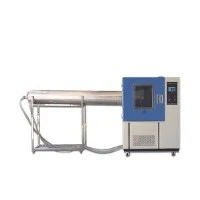
Hey there! I'm here from a dust tester supplier, and I'm super excited to dive into the topic of how dust testers measure dust in different altitudes. It's a fascinating area that has a lot of implications for various industries, from aerospace to environmental research.
First things first, let's understand why measuring dust at different altitudes matters. The amount and type of dust can vary significantly as you go up in the atmosphere. At lower altitudes, dust might come from human activities like construction, agriculture, or vehicle emissions. As you ascend, you'll encounter dust from natural sources such as volcanic eruptions, desert storms, and even cosmic dust. Understanding the distribution and characteristics of this dust is crucial for air quality monitoring, climate research, and ensuring the safety of aviation and high - altitude equipment.
So, how does a dust tester do its magic? Well, most modern dust testers rely on a few key technologies. One of the most common methods is laser scattering. These testers use a laser beam to illuminate the dust particles in a sample of air. When the laser light hits the particles, it scatters in different directions. The intensity and pattern of this scattered light are then measured by a detector. Based on the scattering data, the tester can calculate the size and concentration of the dust particles.
Another method is the gravimetric method. In this case, air is drawn through a filter for a specific period. The filter traps the dust particles. By weighing the filter before and after the sampling, the total mass of the dust collected can be determined. This method gives a direct measurement of the dust mass but is more time - consuming compared to laser - based methods.
Now, when it comes to measuring dust at different altitudes, things get a bit tricky. One of the main challenges is the change in air density. As altitude increases, the air becomes thinner, which means there are fewer air molecules and potentially fewer dust particles per unit volume. Dust testers need to be calibrated to account for these changes in air density. If not, the measurements could be inaccurate.
For instance, let's say you're using a laser - based dust tester. In a high - altitude environment where the air is thin, the laser beam might interact with fewer dust particles. This could lead to an underestimation of the actual dust concentration. To overcome this, the tester can be equipped with a flow control system. This system adjusts the airflow rate through the tester so that it still captures a representative sample of the dust, regardless of the air density.
Another challenge at high altitudes is the temperature and humidity. These environmental factors can affect the physical properties of the dust particles. For example, low temperatures might cause dust particles to agglomerate or stick together. High humidity can also make the particles absorb water and change their size and shape. Advanced dust testers are designed to compensate for these effects. They have built - in sensors to measure temperature and humidity and algorithms that adjust the dust measurement based on these parameters.
In the aviation industry, dust measurement at different altitudes is of utmost importance. Volcanic ash, for example, can be extremely hazardous to aircraft engines. High - altitude dust testers can be installed on planes or used in weather balloons to detect the presence of volcanic ash clouds. This data helps pilots and air traffic controllers to avoid potentially dangerous areas.

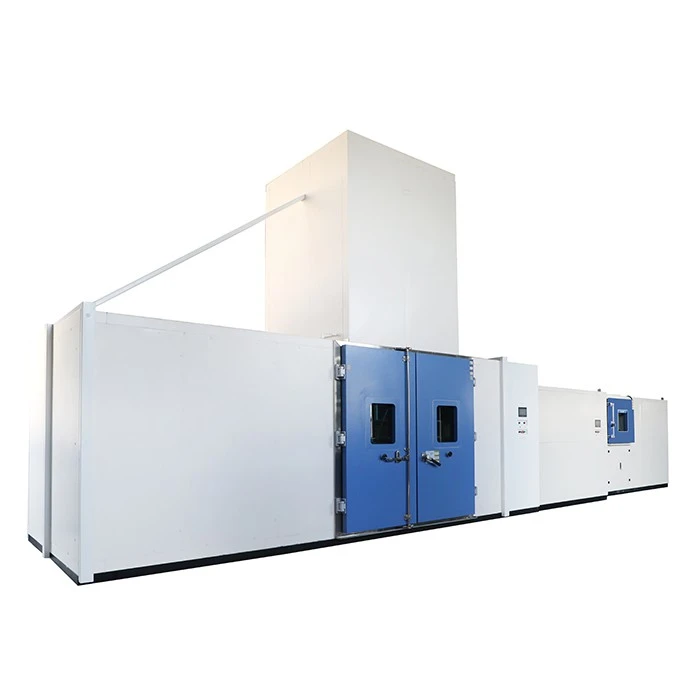
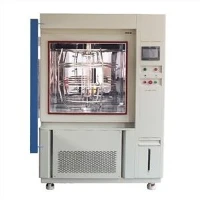
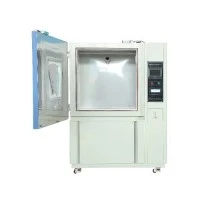
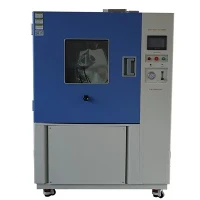
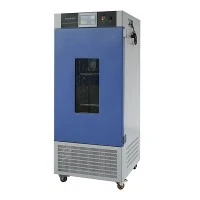
As a dust tester supplier, we offer a wide range of products that are suitable for different altitudes. Our testers are designed to be reliable, accurate, and easy to use. They are also built to withstand the harsh environmental conditions at high altitudes, including extreme temperatures, low air pressure, and strong winds.
If you're also interested in other types of environmental testing equipment, we have some great options. For example, we offer IP67 Water Test Equipment. This equipment is used to test the water - resistance of electronic devices and enclosures. It ensures that products can withstand submersion in water for a certain period without any damage.
Another useful product in our lineup is the Water Spray Jetting Chamber. This chamber is used to simulate heavy rain or water jet conditions. It helps manufacturers to test the waterproof performance of their products, such as outdoor electrical equipment.
We also have Blowing Rain Chamber, which can create a more realistic test environment with blowing rain. This is ideal for testing products that are exposed to harsh weather conditions.
Whether you're in the aerospace industry, environmental research, or manufacturing, our dust testers and other testing equipment can meet your needs. If you're interested in learning more about our products or want to discuss your specific requirements, don't hesitate to reach out. We're always here to help you find the best solutions for your dust measurement and environmental testing needs.
In conclusion, measuring dust at different altitudes is a complex but essential task. With the right technology and equipment, we can accurately measure the dust and gain valuable insights into the atmosphere. If you're looking for high - quality dust testers and related equipment, we're the supplier you can trust. So, get in touch and let's start a conversation about how we can work together to solve your dust measurement challenges.
References:
- "Aerosol Measurement: Principles, Techniques, and Applications" by Petros Koutrakis and C. John Wright
- "Handbook of Aerosol Science and Technology" edited by William C. Hinds