


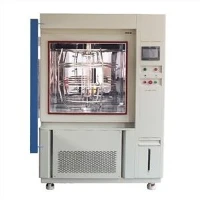
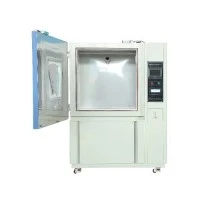
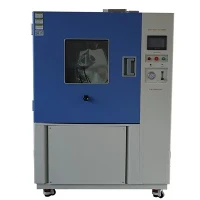
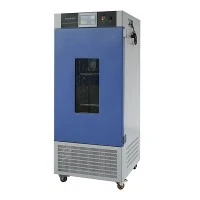
The laboratory environment is a critical space where precision, reliability, and accuracy are of utmost importance. When it comes to testing the ingress protection (IP) ratings of various products, the IPX5 tester plays a significant role. As a leading supplier of IPX5 testers, I often receive inquiries about whether the IPX5 tester can be effectively used in a laboratory environment. In this blog post, I will delve into this topic, exploring the suitability of the IPX5 tester for laboratory use, its features, and the benefits it offers.
Understanding the IPX5 Tester
Before discussing its applicability in a laboratory setting, it's essential to understand what an IPX5 tester is and what it does. The IPX5 tester is a specialized piece of equipment designed to test the ingress protection of products against water jets. According to the International Electrotechnical Commission (IEC) standard 60529, the IPX5 rating indicates that a product is protected against water jets from a nozzle with a 6.3mm diameter, discharged at a pressure of 30 kPa, from any direction, without harmful effects.
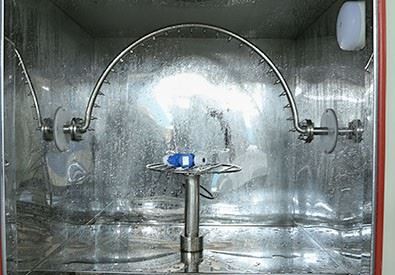
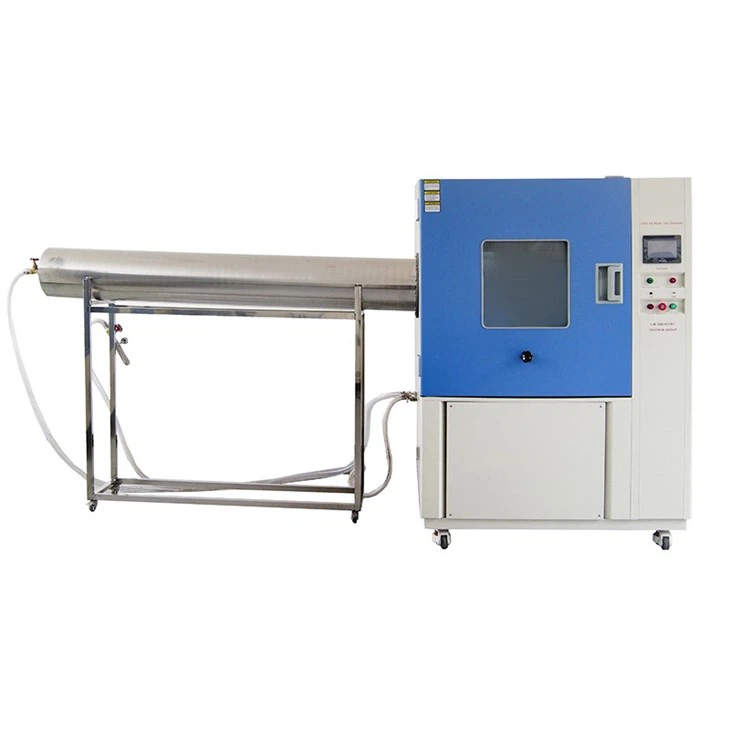
The IPX5 tester typically consists of a water supply system, a nozzle assembly, a test chamber, and a control unit. The water supply system ensures a constant flow of water at the required pressure, while the nozzle assembly directs the water jets onto the test specimen. The test chamber provides a controlled environment for the testing process, and the control unit allows operators to set and monitor the testing parameters.
Suitability for Laboratory Use
The IPX5 tester is well-suited for use in a laboratory environment for several reasons. Firstly, laboratories require precise and repeatable testing results. The IPX5 tester is designed to meet the strict requirements of the IEC 60529 standard, ensuring that the testing process is standardized and consistent. This allows for accurate and reliable assessment of the ingress protection of products, which is crucial for research, development, and quality control purposes.
Secondly, laboratory environments often have limited space. The IPX5 tester is available in various sizes and configurations, allowing it to be customized to fit the specific needs and space constraints of the laboratory. Some models are compact and portable, making them ideal for small laboratories or on-site testing, while others are larger and more robust, suitable for high-volume testing in larger facilities.
Thirdly, laboratories require equipment that is easy to operate and maintain. The IPX5 tester is designed with user-friendly interfaces and intuitive controls, making it easy for laboratory technicians to set up and operate the equipment. Additionally, the tester is built with high-quality components and materials, ensuring its durability and reliability. Regular maintenance and calibration can be easily performed to ensure the continued accuracy and performance of the equipment.
Features and Benefits
The IPX5 tester offers several features and benefits that make it an attractive choice for laboratory use. One of the key features is its ability to simulate real-world conditions. The tester can be adjusted to vary the water pressure, flow rate, and angle of the water jets, allowing for the testing of products under different conditions. This helps to ensure that the products are tested in a realistic and representative manner, providing valuable insights into their ingress protection performance.
Another important feature is the ability to record and analyze test data. Many IPX5 testers are equipped with data logging capabilities, allowing operators to record and store the testing parameters and results. This data can be used for further analysis, comparison, and reporting, providing valuable information for product development and quality control.
In addition to its testing capabilities, the IPX5 tester also offers several benefits for laboratory users. For example, it can help to reduce testing time and costs. By providing accurate and reliable testing results, the tester can help to identify potential issues and defects early in the product development process, allowing for timely corrective actions to be taken. This can help to reduce the number of product failures and recalls, saving time and money in the long run.
Furthermore, the IPX5 tester can help to improve the quality and reliability of products. By ensuring that products meet the required ingress protection standards, the tester can help to enhance the performance and durability of products, increasing customer satisfaction and loyalty.
Related Equipment
In addition to the IPX5 tester, there are several other types of ingress protection testing equipment that may be used in a laboratory environment. For example, the IP65 Testing Unit is designed to test the ingress protection of products against dust and water jets, providing a more comprehensive assessment of the product's protection level. The IP Rating Test Chamber is another important piece of equipment that can be used to simulate different environmental conditions, such as temperature, humidity, and pressure, allowing for the testing of products under more realistic and challenging conditions.
The Ingress Protection Testing Equipment category includes a wide range of equipment for testing the ingress protection of products, including dust testers, water testers, and combined dust and water testers. These equipment can be used in conjunction with the IPX5 tester to provide a more comprehensive and accurate assessment of the ingress protection of products.
Conclusion
In conclusion, the IPX5 tester is a versatile and reliable piece of equipment that is well-suited for use in a laboratory environment. Its ability to provide precise and repeatable testing results, simulate real-world conditions, and record and analyze test data makes it an essential tool for research, development, and quality control purposes. Additionally, its user-friendly design, durability, and low maintenance requirements make it a practical and cost-effective choice for laboratory users.
If you are interested in learning more about the IPX5 tester or other ingress protection testing equipment, please feel free to contact us. Our team of experts is available to provide you with detailed information, technical support, and customized solutions to meet your specific needs. We look forward to working with you to ensure the quality and reliability of your products.
References
- International Electrotechnical Commission (IEC). (2013). IEC 60529: Degrees of protection provided by enclosures (IP Code). Geneva, Switzerland: IEC.