


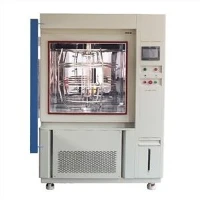
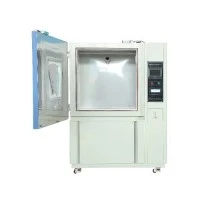
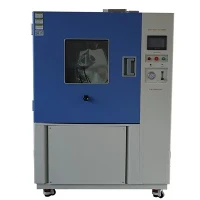
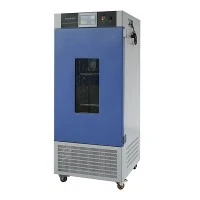
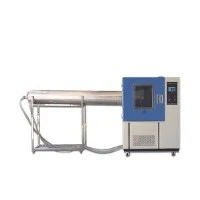
A dust tester, also known as a dust test chamber or dust ingress protection (IP) tester, is a specialized piece of equipment used to evaluate the ability of electrical enclosures, electronic devices, and other products to withstand the ingress of dust particles. This is crucial for ensuring the reliability and longevity of products, especially those intended for use in harsh environments. As a leading dust tester supplier, we understand the importance of providing high - quality equipment that meets international standards. In this blog, we will delve into how a dust tester works.
The Basics of Dust Testing
Dust testing is conducted in accordance with international standards such as the IEC 60529, which defines the Ingress Protection (IP) code. The IP code consists of two digits, where the first digit represents protection against solid objects (including dust), and the second digit represents protection against water. For dust testing, we are primarily concerned with the first digit, which can range from 0 (no protection) to 6 (complete protection against dust ingress).
Components of a Dust Tester
A typical dust tester consists of several key components:
- Test Chamber: This is the enclosed space where the test specimen is placed. The chamber is designed to be airtight to prevent the escape of dust during the test. It is usually made of high - quality materials such as stainless steel to ensure durability and resistance to corrosion.
- Dust Generation System: This system is responsible for generating a controlled amount of dust within the test chamber. There are different methods of dust generation, but the most common one is the use of a dust disperser. The dust disperser uses compressed air to blow the dust particles into the chamber, creating a uniform dust cloud.
- Air Circulation System: To ensure that the dust is evenly distributed throughout the test chamber, an air circulation system is used. This system typically consists of fans or blowers that create a continuous flow of air within the chamber. The air circulation helps to simulate real - world conditions where dust is constantly in motion.
- Monitoring and Control System: This system is used to monitor and control the test parameters such as temperature, humidity, dust concentration, and test duration. It usually includes sensors, controllers, and a display panel. The sensors measure the various parameters, and the controllers adjust the settings accordingly to maintain the desired test conditions.
The Testing Process
The dust testing process can be divided into several steps:
- Specimen Preparation: The first step is to prepare the test specimen. This involves cleaning the specimen to remove any existing dust or debris and ensuring that it is in a proper working condition. The specimen is then placed inside the test chamber, and the chamber is sealed.
- Dust Generation: Once the specimen is in place, the dust generation system is activated. The dust disperser blows a pre - determined amount of dust into the chamber, creating a dust cloud. The type of dust used in the test depends on the specific requirements of the standard being followed. For example, the IEC 60529 standard specifies the use of Arizona dust, which is a fine, powdery dust that is commonly used for dust testing.
- Air Circulation: While the dust is being generated, the air circulation system is also activated. The fans or blowers create a continuous flow of air within the chamber, ensuring that the dust is evenly distributed. This helps to simulate the conditions in which the product will be used in the real world.
- Test Duration: The test is then allowed to run for a specific duration, which is also determined by the standard being followed. During this time, the monitoring and control system continuously monitors the test parameters such as temperature, humidity, and dust concentration. If any of the parameters deviate from the desired values, the system automatically adjusts the settings to maintain the proper test conditions.
- Inspection and Evaluation: After the test is completed, the chamber is opened, and the specimen is removed. The specimen is then inspected for the presence of dust ingress. This can be done visually or by using specialized equipment such as a microscope. Based on the results of the inspection, the product is assigned an IP rating for dust protection.
Advanced Features of Modern Dust Testers
Modern dust testers come with several advanced features that enhance their performance and accuracy:
- Automated Control: Many dust testers are now equipped with automated control systems that allow for precise control of the test parameters. This reduces the risk of human error and ensures consistent test results.
- Data Logging: The ability to log test data is another important feature. This allows for easy documentation and analysis of the test results. The data can be stored on a computer or other storage device for future reference.
- Remote Monitoring: Some dust testers can be remotely monitored and controlled via a network connection. This is particularly useful for large - scale testing facilities where multiple tests may be running simultaneously.
- Compatibility with Different Standards: Modern dust testers are designed to be compatible with a wide range of international standards, such as the IEC 60529, ISO 20653, and MIL - STD - 810. This makes them suitable for testing products from different industries.
Related Testing Equipment
In addition to dust testers, we also offer a range of related testing equipment, such as IP Water Spray Test Chamber, IP6k9k Test Chamber, and IPX4 Water Test Chamber. These chambers are used to test the water - ingress protection of products, which is also an important aspect of product reliability.


Conclusion
A dust tester is a vital piece of equipment for ensuring the dust - ingress protection of electrical enclosures, electronic devices, and other products. By simulating real - world dust conditions, it allows manufacturers to evaluate the performance of their products and ensure that they meet the required standards. As a dust tester supplier, we are committed to providing high - quality equipment that is reliable, accurate, and easy to use.
If you are in the market for a dust tester or any of our related testing equipment, we invite you to contact us for a detailed discussion of your requirements. Our team of experts will be happy to assist you in choosing the right equipment for your specific needs and provide you with a competitive quote.
References
- IEC 60529 - Degrees of protection provided by enclosures (IP Code)
- ISO 20653 - Road vehicles -- Degrees of protection provided by enclosures for electrical equipment (IP Code)
- MIL - STD - 810 - Environmental Engineering Considerations and Laboratory Tests