


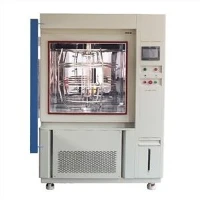
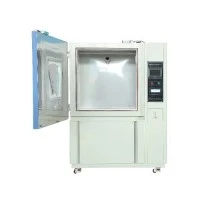
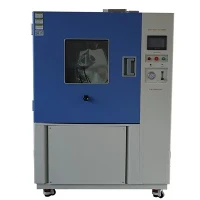
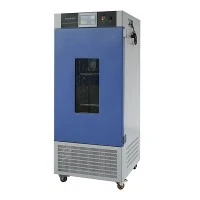
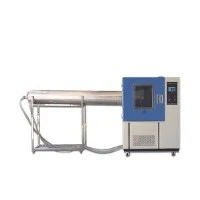
Ensuring the water quality in a rain chamber is crucial for accurate and reliable testing results. As a rain chamber supplier, I understand the significance of maintaining optimal water quality to meet the diverse needs of our customers. In this blog post, I will share some effective strategies and best practices to ensure the water quality in a rain chamber.
Understanding the Importance of Water Quality in a Rain Chamber
A rain chamber is designed to simulate various environmental conditions, including rain, for testing the waterproof performance of products. The water used in the chamber should closely mimic natural rainwater in terms of its chemical composition, purity, and particle size distribution. Poor water quality can lead to inaccurate test results, equipment damage, and increased maintenance costs.
For example, if the water contains high levels of impurities such as sediment, minerals, or organic matter, it can clog the nozzles, pipes, and filters in the rain chamber, reducing the efficiency of the water distribution system. Additionally, these impurities can leave deposits on the test samples, affecting their surface properties and potentially altering the test results.
Water Source Selection
The first step in ensuring water quality is to select a suitable water source. Ideally, the water should be free from contaminants and have a low mineral content. Here are some common water sources and their suitability for use in a rain chamber:
- Tap Water: Tap water is readily available and convenient, but it may contain various impurities such as chlorine, fluoride, heavy metals, and sediment. These impurities can affect the test results and cause corrosion in the rain chamber. If tap water is used, it should be treated to remove or reduce these contaminants.
- Distilled Water: Distilled water is pure water that has been boiled and condensed to remove impurities. It is free from minerals, salts, and other contaminants, making it an ideal choice for use in a rain chamber. However, distilled water is more expensive and may not be readily available in large quantities.
- Reverse Osmosis (RO) Water: RO water is produced by passing water through a semi - permeable membrane to remove impurities. It has a low mineral content and is relatively pure, making it a good alternative to distilled water. RO water is also more cost - effective than distilled water for large - scale applications.
Water Treatment
Regardless of the water source, it is usually necessary to treat the water before using it in the rain chamber. Here are some common water treatment methods:
- Filtration: Filtration is the process of removing solid particles from the water. A multi - stage filtration system can be used to remove sediment, rust, and other large particles. This can include a pre - filter to remove larger debris and a finer filter to remove smaller particles. For example, a 5 - micron filter can be used as a pre - filter, followed by a 1 - micron or 0.5 - micron filter for finer filtration.
- Activated Carbon Filtration: Activated carbon filters are used to remove organic compounds, chlorine, and some heavy metals from the water. The porous structure of activated carbon provides a large surface area for adsorption, allowing it to trap contaminants.
- Ion Exchange: Ion exchange is a process that removes dissolved minerals from the water by exchanging them with other ions. This can be used to reduce the hardness of the water, which is caused by the presence of calcium and magnesium ions. An ion exchange resin can be used to replace these ions with sodium ions, resulting in softer water.
Water Monitoring
Regular water monitoring is essential to ensure that the water quality in the rain chamber remains within acceptable limits. Here are some parameters that should be monitored:
- pH Level: The pH level of the water affects the corrosion rate of the rain chamber components and can also influence the test results. The ideal pH range for water in a rain chamber is typically between 6.5 and 7.5. A pH meter can be used to measure the pH level regularly, and adjustments can be made using pH - adjusting chemicals if necessary.
- Conductivity: Conductivity is a measure of the ability of the water to conduct electricity, which is related to the concentration of dissolved ions in the water. High conductivity indicates a high mineral content, which can lead to scaling and corrosion. A conductivity meter can be used to monitor the conductivity of the water, and appropriate treatment can be carried out if the conductivity exceeds the acceptable range.
- Particle Count: The presence of particles in the water can affect the performance of the nozzles and the test results. A particle counter can be used to measure the number and size distribution of particles in the water. If the particle count is too high, additional filtration may be required.
Maintenance of the Rain Chamber
Proper maintenance of the rain chamber is also important for ensuring water quality. Here are some maintenance tasks that should be carried out regularly:
- Cleaning: The rain chamber should be cleaned regularly to remove any deposits or contaminants that may have accumulated. This includes cleaning the nozzles, pipes, and the interior of the chamber. A mild detergent can be used for cleaning, followed by a thorough rinse with clean water.
- Calibration of Equipment: The equipment used in the rain chamber, such as flow meters and pressure gauges, should be calibrated regularly to ensure accurate operation. This helps to maintain the correct water flow rate and pressure, which are important for consistent test results.
- Replacement of Filters: Filters should be replaced at regular intervals to ensure their effectiveness. Over time, filters can become clogged with contaminants, reducing their filtration efficiency.
Compatibility with Test Samples
When ensuring water quality in a rain chamber, it is also important to consider the compatibility of the water with the test samples. Some test samples may be sensitive to certain chemicals or contaminants in the water. For example, electronic components may be damaged by the presence of salts or acids in the water. In such cases, special water treatment or alternative water sources may be required to ensure that the test samples are not affected.
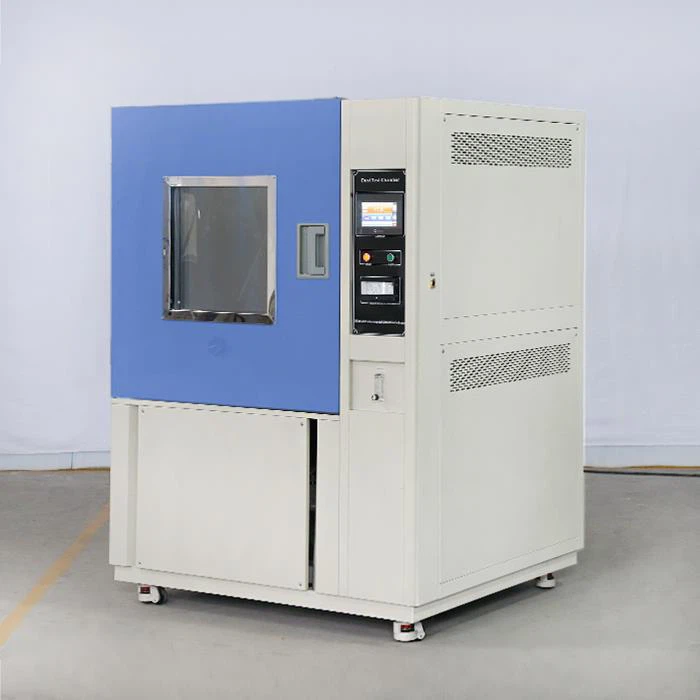

Conclusion
Ensuring the water quality in a rain chamber is a multi - faceted process that involves water source selection, treatment, monitoring, and proper maintenance. By following these best practices, you can ensure that your rain chamber operates efficiently and provides accurate and reliable test results.
If you are in the market for a high - quality rain chamber or other IP testing equipment, we are here to help. We offer a wide range of products, including IP67 Test Machine, Sand Dust Ingress Test Chamber, and Water Rain Test Equipment. Contact us today to discuss your specific requirements and start the procurement process.
References
- ASTM International. (Year). Standard test methods for environmental testing of products.
- ISO. (Year). International standards for waterproof testing of products.
- Water Quality Association. (Year). Guidelines for water treatment and quality control.