



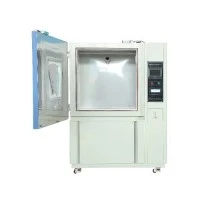
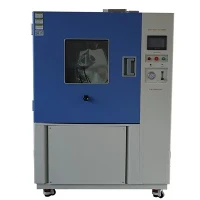
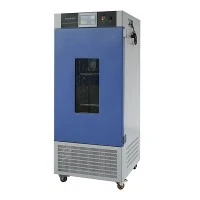

Hey there! As a supplier of IPX9k testers, I know how crucial it is to transport these delicate pieces of equipment safely. An IPX9k tester is a high - tech device used to test the waterproof and dust - proof capabilities of various products under extreme conditions. So, in this blog, I'm gonna share some tips on how to transport an IPX9k tester safely.
1. Understand the IPX9k Tester
First things first, it's important to have a solid understanding of the IPX9k tester. These testers are often made up of sensitive electronic components, precision nozzles, and complex control systems. Any damage to these parts during transportation can lead to inaccurate test results or even render the tester useless.
The IPX9k test involves high - pressure and high - temperature water jets, which means the tester needs to be robustly built. However, that doesn't mean it can withstand rough handling during transit. The nozzles, for example, are designed to produce very specific water patterns, and even a small misalignment can affect the test accuracy.
2. Pre - transport Preparation
Inspection
Before packing the IPX9k tester for transport, conduct a thorough inspection. Check for any loose parts, damaged cables, or signs of wear and tear. Make a detailed list of the tester's condition, including photos if possible. This will help you identify any new damage that might occur during transportation.
Cleaning
Clean the tester thoroughly. Remove any water, dust, or debris that might have accumulated during its use. This not only helps in preventing corrosion but also makes it easier to spot any new damage during the post - transport inspection.
Disassembly (if necessary)
Some parts of the IPX9k tester can be disassembled for easier and safer transportation. For example, if the tester has large external hoses or detachable nozzles, it's a good idea to remove them. Make sure to label all the parts clearly so that you can reassemble them correctly later.
3. Packaging
Choosing the Right Packaging Materials
Invest in high - quality packaging materials. A sturdy wooden crate is often the best choice for an IPX9k tester. It provides excellent protection against impacts and vibrations. Inside the crate, use shock - absorbing materials like foam inserts or bubble wrap. These materials can cushion the tester from any sudden jolts during transit.
You can also use anti - static bags for the electronic components. This helps in preventing static electricity from damaging the sensitive circuits.
Proper Placement in the Package
Place the IPX9k tester in the center of the crate. Make sure it's well - secured and doesn't move around. You can use straps or brackets to hold the tester firmly in place. Fill any empty spaces in the crate with additional cushioning materials to prevent the tester from shifting.
4. Selecting a Reliable Shipping Carrier
Research and Reputation
Do your research when selecting a shipping carrier. Look for carriers with a good reputation for handling delicate and high - value equipment. Read reviews from other customers who have shipped similar items. You can also ask for recommendations from colleagues in the industry.
Insurance
Make sure the shipping carrier offers insurance for the IPX9k tester. This provides financial protection in case the tester gets damaged during transit. Discuss the insurance terms and coverage limits with the carrier to ensure you're fully protected.
Tracking
Choose a carrier that provides a tracking service. This allows you to monitor the progress of your shipment and know exactly where the tester is at all times. You can also set up notifications to be alerted when the shipment reaches certain milestones.
5. Special Considerations for Different Modes of Transport
Road Transport
If you're transporting the IPX9k tester by road, make sure the vehicle is in good condition. The truck should have a smooth ride and be equipped with proper shock - absorbing systems. Avoid rough roads as much as possible to minimize vibrations.
Air Transport
When shipping by air, the tester needs to meet the airline's safety and weight regulations. Make sure the packaging is compliant with the airline's requirements. Also, be aware that air transport can expose the tester to changes in temperature and pressure, so the packaging should be able to withstand these conditions.
Sea Transport
For sea transport, the tester is likely to be exposed to humidity and saltwater. Use moisture - proof packaging and desiccant packs to prevent corrosion. Also, secure the crate properly on the ship to prevent it from shifting during rough seas.
6. Post - transport Inspection
Once the IPX9k tester arrives at its destination, conduct another inspection immediately. Compare the current condition of the tester with the pre - transport inspection report. If you notice any damage, document it carefully and contact the shipping carrier and your insurance provider right away.


Before putting the tester back into use, reassemble it if it was disassembled. Make sure all the parts are properly connected and aligned. Run some test procedures to ensure the tester is working correctly.
Related Products
If you're also interested in other types of testing equipment, we have some great options. Check out our IP68 Test Equipment, which is designed to test products for their waterproof capabilities under different scenarios. Our Sand Simulation Test Cabinet is perfect for testing the dust - proof performance of products. And if you need to test products for high - pressure water jets, our IP66K Test Devices are a great choice.
Conclusion
Transporting an IPX9k tester safely requires careful planning, proper packaging, and the right choice of shipping carrier. By following these tips, you can minimize the risk of damage and ensure that your tester arrives at its destination in perfect working condition.
If you're in the market for an IPX9k tester or any of our other testing equipment, feel free to reach out to us. We're always happy to discuss your needs and help you find the best solution for your testing requirements.
References
- Industry best practices for transporting high - tech equipment
- Manufacturer's guidelines for IPX9k testers