

If you're working in manufacturing, product design, or quality control, you've probably run into dust testers at some point-whether you're testing a new ruggedized phone, a piece of outdoor power equipment, or even a medical device that needs to hold up in dusty clinics. But once you've got the test results in your hand, it's not just a number on a screen or a pass/fail stamp. It's a story about your product's ability to handle real-world conditions, and as someone who's been supplying dust testergear for years, I've seen way too many teams misinterpret those results and end up with products that let customers down.
First, let's keep this real: dust testing isn't just about passing a standard. It's about understanding what your product will actually face. The most common standard we reference here is IEC 60529, which breaks down dust resistance into two ratings: IP5X (limited dust protection, no harmful ingress) and IP6X (total dust protection, no dust gets in at all). Most folks see a score of IP6X and think that's the end of it, but there's way more to it than that. Let's start with the basics: how adust testeractually works, because if you don't know the test's setup, you can't interpret the results correctly.
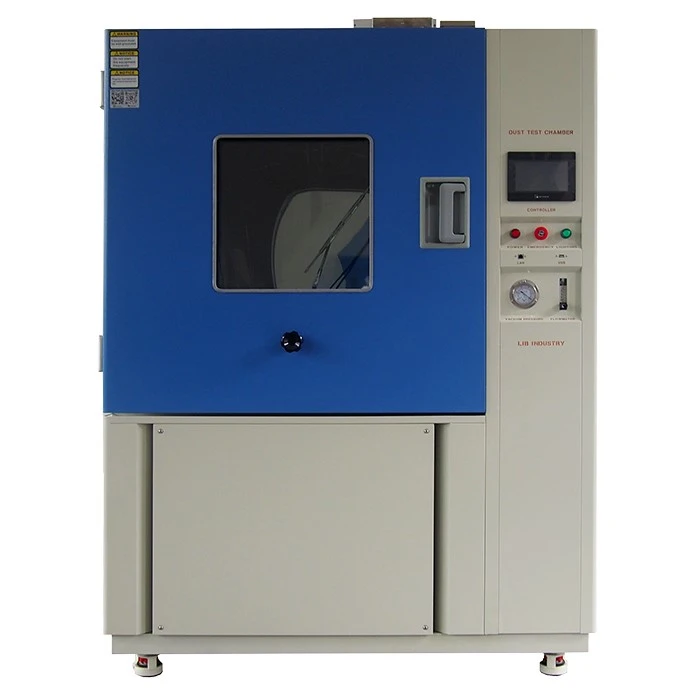

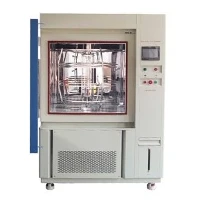
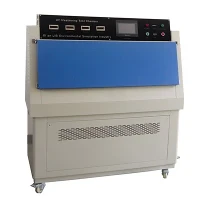
A standard dust test (per IEC 60529) uses fine, talc-like silica dust that's specific particle sizes-way smaller than the dust you'd find in your backyard, for good reason. The tester seals your product inside a chamber, pulls a partial vacuum to mimic dusty environments where air is moving, and runs the dust through for 8 hours straight. For IP6X, there's a final inspection after that: you have to check inside the product, and there's a limit on how much dust can get in. A lot of teams skip understanding the test parameters and just fixate on the final "pass" or "fail," but that's a mistake. For example, if your product failed IP6X, was it because of a tiny gap in a gasket that only showed up under vacuum, or because the dust tester's air flow wasn't calibrated right? That's where supplier context matters-something we've built our business on, which is why we make gear that adheres strictly to IEC standards, like our IP66K Test Devices set, which are calibrated to hit the exact air flow and dust concentration required for consistent tests.
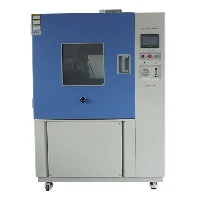
Now, let's break down how to interpret the three most common results you'll get from a dust tester: pass, marginal pass, and fail. Let's start with pass, because that seems straightforward, but even here there are hidden details. If your test says "IP6X Pass," you might assume that means your product can go anywhere-construction sites, desert trails, whatever. But wait: the test only uses dry silica dust. If your product is going to be used in a place with wet dust, like a farm where dust mixes with rain, that IP6X rating might not translate. Wet dust clings and gets into gaps dry dust wouldn't, so a dry dust pass is a baseline, not a full stop. A lot of our customers pair dust tests with water tests to fill that gap-like our IPX5 IPX6 Water Jetting Test Chamber, which lets you test how well a product holds up to water jets after dust exposure. That combination tells a way more complete story than a dust test alone.
Next, marginal pass. This is the one that trips people up. Marginal pass means a tiny amount of dust got into your product-like a few specks in a corner of a battery compartment, not in the circuitry. The standard says that's allowed, but only if the dust doesn't interfere with operation. But here's the thing: that "harmless dust" today could become "damaging dust" in 6 months, as it builds up. I've had a customer come to us last year who'd passed a marginal IP6X test for their outdoor speaker, only to have customers complain that the speaker cut out after a few months in a dusty park. When we ran a follow-up test with a longer duration (12 hours instead of 8), the speaker failed. Turns out, the initial test only ran the minimum time required, so dust was just barely kept out-but after extended use, it seeped in. That's why it's worth asking: did your dust test run the standard 8 hours, or did you run an extended test to mimic real-world wear? OurIP67 Test Chamber (wait, no, actually our dust test units can be adjusted for duration, but if you're pairing with water, IP67 is for immersion-my bad) - our dust testers let you tweak test parameters, so you can run longer tests if your product is meant for heavy-duty use. Marginal pass isn't a "good enough" result unless you've validated it with real use cases.
Then there's the big one: fail. A dust test fail usually means either dust got into a part that can damage the product, or too much dust is inside. The first step here is to figure out why it failed, not just that it did. Was it a design flaw? A manufacturing error? A mistake in the test setup? I've seen all three. For example, a tool manufacturer once came to us saying their power drill failed IP6X, and they thought it was a bad gasket. Turns out, the gasket was fine, but the test chamber they were using had a leak, so air flow was too low to push dust through the drill's vents. Once they switched to a calibrated tester, like the IP67 Water Test Equipment - no, wait, dust testing is different, but our IP66K Test Devices have built-in air flow calibration, so that mistake never happens. Another time, a phone maker failed a dust test because they had a tiny gap between the screen and frame that was only noticeable when the phone flexed (which the standard test doesn't account for). That's where you might want to do a vibration test along with dust testing, to mimic how products move in use. The point is: a fail isn't the end-it's a clue, but you need to dig into the details of the test to fix the root cause.
Wait, let's talk about something most people miss: what dust tester results don't tell you. A lot of customers think if a test uses "standard dust," that's all the dust they need to test for, but that's not true. Desert dust is coarser than industrial dust, which is finer, and construction dust has more abrasive particles. If your product is for a construction site, standard silica dust might not be the right test-you need a dust mix that matches the job site. Also, test conditions: if you're testing a product that will be used in cold environments, the vacuum pull in the test chamber might be different, because cold air is denser. That's why working with a supplier who knows how to adjust tests for your specific use case matters-we've had customers ask for custom dust mixes, and we can help them set up tests that mimic exactly what their product will face, not just a generic standard.
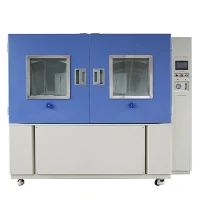
Another common mistake: confusing dust test results with IP ratings that include water. I've had so many people ask us, "If my dust test passed, does that mean it's water resistant?" Short answer: no. IP ratings are separate. IP6X is for dust, and the X is for water protection-so IPX7 is water immersion, for example. If you need both, you'll have to run two separate tests, or use a chamber that can do both, like our Water Rain Test Equipment which lets you test dust, rain, and spray all in one setup. That saves time and gives you consistent results because you're testing the same product under the same conditions for both tests. I had a customer last quarter who saved 2 weeks of testing time by switching to that combo unit, which let them catch a leaky gasket that only showed up when dust was followed by water-something they would have missed if they'd run dust and water tests separately.
Let's wrap this up with a real example to make it concrete. A few months back, a medical device company reached out to us because their portable oxygen concentrator failed a dust test. They were targeting IP6X, because the device is used in both homes (which have some dust) and outdoor settings (like camping trips where dust is worse). Their initial test used a cheap dust tester, and they failed because dust got into the internal filter housing. They thought they needed a bigger, more expensive filter, but when we helped them retest with a calibrated tester (our IP66K Test Devices set, which has precise air flow and dust distribution), we found that the real issue was a tiny misalignment in the filter housing cap-only 0.2mm off. That misalignment let dust seep in, but it was too small for them to catch during manual inspections. They fixed the cap alignment, retested, and passed IP6X. If they'd just gone with the initial fail result and bought a bigger filter, they would have added unnecessary cost and bulk to a device that's supposed to be lightweight for patients.
That's why interpreting dust tester results isn't just about numbers-it's about digging into the details to find the actual problem.
Now, if you're at the point where you need to run dust tests for your product, or you're looking to upgrade your current tester to get more accurate, consistent results, the last thing you want is a supplier who just sells you a machine and leaves you to figure it out. We've been helping companies of all sizes-from small startups to big OEMs-get clear, actionable dust test results for over a decade. Our gear is calibrated to meet all IEC 60529 standards, and we can help you set up custom tests, pair dust tests with water tests (like our IPX5 IPX6 Water Jetting Test Chamber or IP67 Test Chamberas needed), and walk you through interpreting every result so you don't make the mistakes I mentioned earlier. Whether you're working on a rugged consumer device, industrial equipment, medical gear, or something else, we can tailor solutions to your needs. If you're ready to talk through your dust testing goals, reach out to us to start a conversation.