

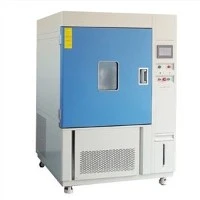
If you've ever spent hours tweaking a product only to watch it fall apart after a few months outdoors-faded paint, cracked plastic, a rubber seal that crumbles to dust-you know how gutting that is. As someone who works with a Xenon tester supplier (yep, the team I'm part of), I've seen way too many product teams skip this critical step in development and end up reworking a whole line way later than planned. Let's break down why a Xenon tester isn't just another lab toy-it's a game-changer for building products that actually last, no matter where they end up.
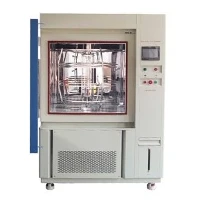
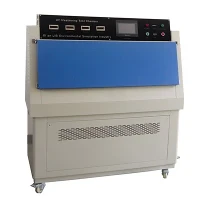
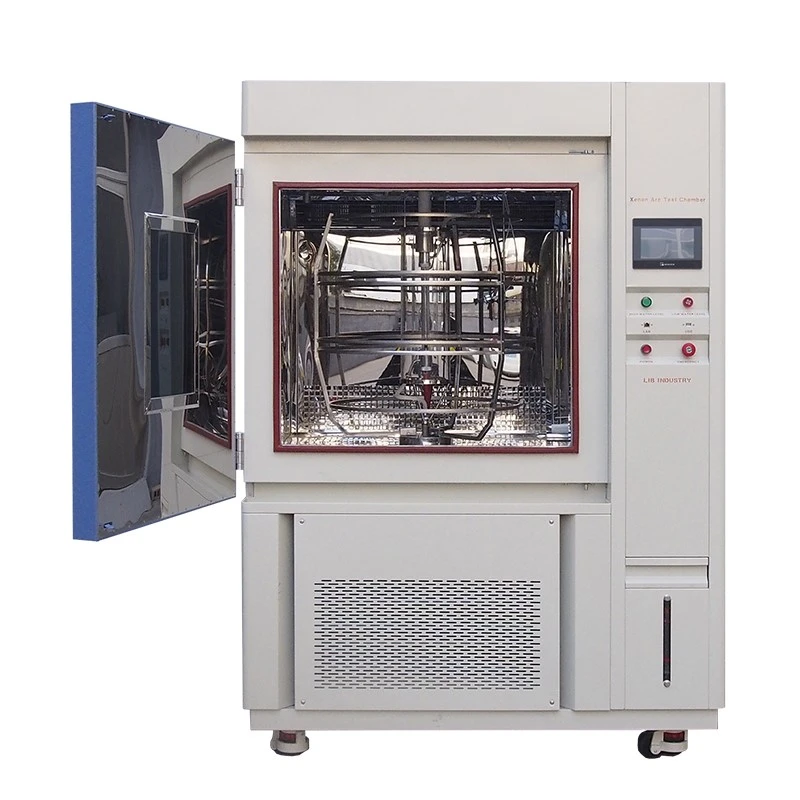
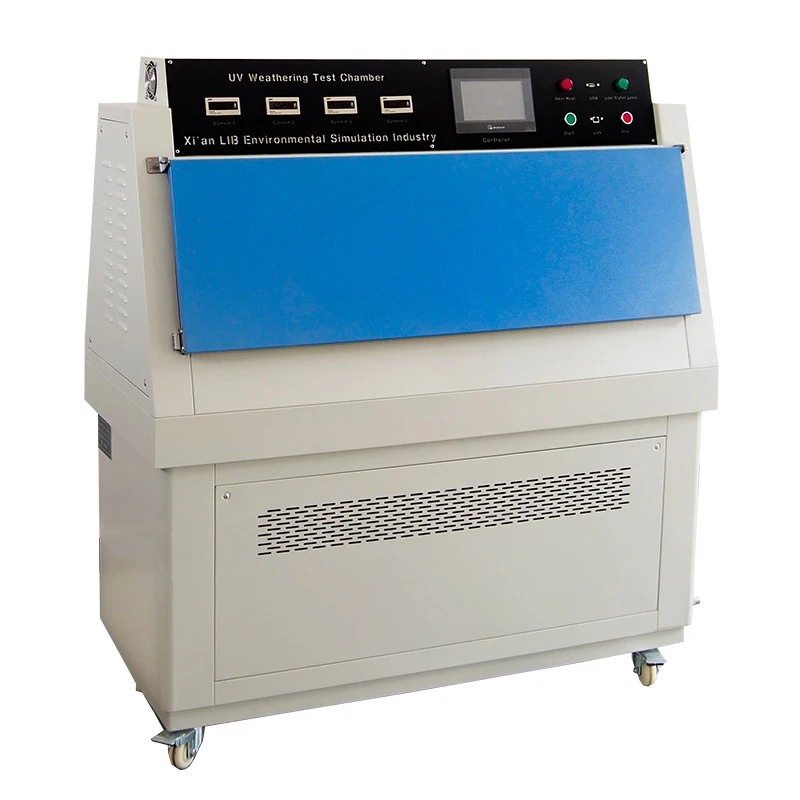
First, let's get real about what Xenon testing actually does. Unlike old-school methods that relied on waiting months or years for natural weather to hit, a Xenon tester mimics all the brutal stuff nature throws at your product fast: intense sunlight (the full spectrum, not just part of it), heat, humidity, even rain. That means you can simulate 5+ years of outdoor wear in a matter of weeks, not seasons. But why Xenon specifically? Because other tests fall short. For example, the old Sunshine Carbon Arc Weatherometerwas the go-to for decades, but it misses key parts of the natural light spectrum that cause modern plastics and coatings to degrade. It's great for legacy products, but if you're making anything new, Xenon is way more accurate. The UV Lamp Test Chamber, meanwhile, only targets UV light-no heat or humidity, which are huge factors in real-world breakdowns. A lawn chair might hold up to UV, but after a summer of baking in your backyard and sudden rain, it'll crack way faster. That's where Xenon shines (pun totally intended).
Let's talk about how this fits into the actual product development timeline, because that's what matters most-you don't want to be testing when you should be launching, right? We've worked with everything from outdoor gear brands to car part makers to kitchen appliance companies, and the best approach is to weave Xenon testing into every stage, not just the end. Early on, when you're still picking materials? That's prime time. Say you're making a new phone case. You've got three plastic options: ABS, polycarbonate, and a new bio-based polymer your R&D team is excited about. Instead of guessing which one will hold up, you put tiny samples of each in a Xenon tester for two weeks. You check for color fading, brittleness, or surface cracking. Turns out that "eco" polymer looks great in the lab, but after 500 hours in the Xenon chamber, it's yellowed so bad you can't read the brand logo. ABS holds up, but it's a little too flexible. Polycarbonate wins out-but you need to tweak the UV stabilizer content to get it right. That's way easier to do when you're still ordering small batches of materials, not when you're tooling up for mass production.
Middle of development, when you're designing the actual parts and how they go together? Xenon testing catches design flaws that no other test will. We had a client last year making outdoor LED light fixtures. They'd designed a sleek aluminum housing with a plastic lens cover. They thought it looked sharp, but when they put the whole fixture in a Xenon tester, the plastic lens cracked at the seam where it was glued to the metal. Why? The metal expanded in the heat from the Xenon lamp, and the plastic didn't stretch enough to keep up. If they'd only tested the material samples, they would've missed that. But testing the full assembly (which is super easy with a Xenon tester-you can adjust the size of the chamber to fit almost any part) caught that before they spent money on molds. They fixed the seam design to use a flexible gasket instead of glue, and that problem never made it to market. Compare that to if they'd waited to test a finished unit in real life-they'd have had to redesign hundreds of fixtures already made, costing them way more time and cash.
Then there's the stuff that happens late in development, like validating a final design for launch. Maybe you're making a line of patio furniture, and you want to guarantee it's fade-resistant for three years. A Xenon tester lets you run the exact test that aligns with industry standards-we're talking ISO, ASTM, all that good stuff that lets you say "this product will last 3 years outdoors" and back it up with actual test data. No more vague claims like "built to last." You can show retailers and customers a test report that proves it. That's huge for marketing, but also for avoiding returns-because if your product actually does what you say it will, people don't send it back.
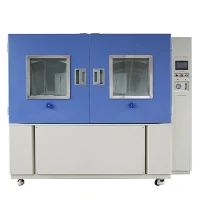
Wait, but what about other accelerated tests, like the Accelerated Aging Test Chamber? Oh, that's great for things like checking if adhesive breaks down over time, but it doesn't simulate light-so a seal might pass an aging test but crack from sunlight in six months.
The UV Resistance Test Chamber only focuses on UV, not the combination of light, heat, and moisture that's actually destructive. Xenon is the only one that replicates the full environmental stress real products face. And if you need to combine tests? Like, test UV while also checking electrical components? Our UV Testing Equipment works seamlessly with Xenon testers, so you can get a full picture of how every part holds up.
Let's be real-cost is a big concern for product teams. Buying a Xenon tester might seem like a big upfront investment, but when you compare it to the cost of recalling products, retooling factories, or losing customers because of a faulty line? It's a no-brainer. One client, a small outdoor apparel brand, told us they spent $120k last year redoing a batch of jackets because the fabric coating faded after one season. They invested in a Xenon tester for $45k, and this year, they caught a coating issue in their prototype stage that would've cost them $80k to fix later. They paid for the machine in 6 months, and they're on track to save even more. It's not just about avoiding losses-it's about building a product that people trust.
Another thing I love about Xenon testers now? They're way more user-friendly than they used to be. You don't need a PhD to run one. The machines have intuitive controls, pre-programmed test cycles for all the common industries (outdoor goods, automotive, electronics, even packaging), and you can access test data straight from your phone or laptop. The last thing product teams need is another complicated piece of equipment that only the lab tech can use. Now, designers and project managers can pull up a test cycle, adjust the settings if needed, and check on results without bothering the lab every day. That makes testing a part of the workflow, not a bottleneck.
I've seen it over and over: products that skip proper accelerated weather testing end up with avoidable issues. Last quarter, we had a big automotive client who tested their new dashboard trim in a regular lab, not a Xenon tester. By the time they put it in a car for real-world testing, the trim had faded so bad it didn't match the interior. They had to scrap all the trims already made, delay the launch by 3 months, and that cost them way more than buying a Xenon tester would've. That's the kind of mistake a lot of teams make-they think testing is just a box to check at the end, but it's actually a tool that makes your whole product development process smoother.
So where do you go from here? If you're in the middle of developing a new product and haven't thought about Xenon testing yet, you're not alone. A lot of teams wait until they're almost done, but the best time is now. Whether you need to test materials, validate designs, or set up a long-term testing plan for your product line, a Xenon tester will help you catch issues early, save money, and build a product that actually lasts. If you want to chat about what kind of Xenon tester would work for your specific product-we work with everything from small startups to big corporations-hit us up to connect.
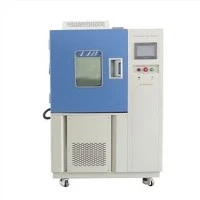
If you're looking for a reliable accelerated weathering test chamber, whether it's a Xenon Arc Weathering Test Chamber for full-spectrum sunlight simulation, a Fluorescent UV Test Chamber for accelerated UV degradation testing, or a UV Preconditioning Chamber for PV Solar Panels for solar module preconditioning and durability evaluation, feel free to contact LIB Industry.
Our team is ready to discuss your testing standards, sample dimensions, irradiance requirements, temperature and humidity conditions, and exposure cycles. We'll help you select the right weathering test equipment for your materials, product development, and laboratory testing needs.