


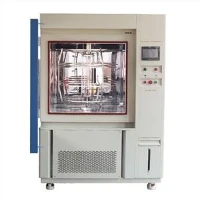
If you're reading this, chances are you're in the market for a xenon tester-whether you're a textile manufacturer testing color fastness to light, a pharmaceutical company validating drug packaging stability, or a coatings engineer ensuring paint doesn't fade after years of sun exposure. You've probably typed "where can I buy a xenon tester" into a search bar a dozen times, sifting through vague product descriptions, overpriced listings, and vendors that don't understand the difference between a basic light box and a precision testing tool. Let me cut through the noise: as someone who's spent 15 years working with xenon arc technology, first in R&D and now leading our team as a supplier of these systems, I'm here to share what actually matters when you're ready to purchase, and where to find a solution that won't waste your time or budget.
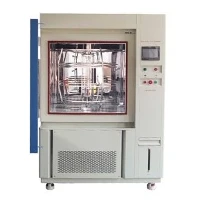
First, let's clear up a common misconception: a xenon tester isn't a one-size-fits-all tool. If you're searching for "xenon tester," you might also see it referred to by industry-specific names-like a light fastness test chamber, or a xenon arc weathering light fastness tester, depending on what you're testing. For example, textiles often need a xenon arc light fastness tester to simulate the exact UV spectrum of sunlight to measure fabric fading, while aerospace parts might require a system that combines light with humidity and temperature to replicate real-world outdoor conditions. That's why the first step in your search isn't just "buy xenon tester"-it's knowing which type you need for your application.
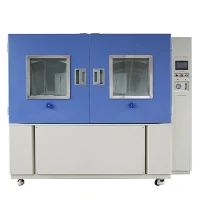
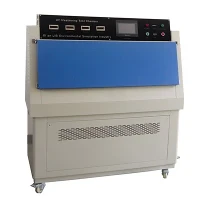
If you're targeting general light fastness testing for materials like textiles, plastics, or inks, a light fastness test chamber might be all you need. But if you're looking to test how products hold up to outdoor weathering, you'll want to lean toward systems that integrate xenon light with other environmental factors. This is where a weather testing machine becomes essential-it doesn't just shine light; it controls temperature, humidity, and sometimes even rain or condensation to mimic the full spectrum of environmental stressors your product will face. I've seen clients waste thousands on a basic xenon testeronly to realize it can't replicate the damp heat that ruins outdoor furniture, so never skip matching your tester to your specific end-use.
Now, onto the core question: where do you actually buy a xenon tester that's reliable, compliant with industry standards, and supported long after you take it home? Let's start with what to avoid first. Big-box industrial supply stores rarely carry calibrated, ISO-compliant xenon testers-they're designed for high-volume, low-specialty products, not precision testing. Online marketplaces have their place, but many third-party sellers don't have in-house calibration expertise, and spare parts can be impossible to track down if something breaks. Then there are the "universal lab equipment" vendors that offer dozens of products but know little about xenon arc technology itself-they might sell you a chamber, but they won't know how to adjust the spectrum to meet AATCC or ASTM standards, which is non-negotiable for most regulated industries.
Which brings me to what you should look for: a supplier that specializes in xenon-based testing equipment. This isn't just about selling a machine-it's about understanding the nuance of xenon arc lamps, calibration requirements, and how to tailor the system to your specific tests. Let me walk you through a few key factors to vet a potential supplier before you commit. First, ask about compliance. If you need to meet standards like ASTM G155 (standard practice for operating xenon arc light apparatus for exposure of non-metallic materials) or AATCC TM16 (color fastness to light for textiles), your supplier should design their testers to align with these, not just claim compliance after the fact. Second, check their calibration and support. A xenon tester is only as good as its ability to maintain a consistent light spectrum and temperature. A reliable supplier will offer annual calibration services, 24/7 technical support, and training for your team-because even the best system is useless if no one knows how to run it correctly. Third, look for scalability. If you start with a compact light fastness test chamber for in-house lab use, can the supplier upgrade it to a full weather testing machine later as your testing needs grow? This saves you from buying a whole new system down the line.
At this point, you might be thinking, "Okay, so I need a specialized supplier-but how do I tell if they're actually good at xenon testers and not just another vendor?" Let me share what sets the right supplier apart. For starters, they'll have a range of options for different applications, not just one model. If you go to their website and see links to resources like the Weather Testing Machine (for combined light and environmental testing), Accelerated Ageing Chamber (for long-term ageing simulations), and the specific Xenon Arc Light Fastness Tester for color testing, that's a good sign. It means they're not just pushing a single product but designing systems for different use cases, which tells you they understand the industry's varying needs.

Another red flag to watch out for: suppliers that quote a price significantly lower than the market average. A high-quality xenon arc lamp alone can cost $2,000, and a chamber with precise temperature and humidity controls adds another $1,500–$3,000. If a vendor is selling a complete system for $5,000 when competitors charge $8,000, chances are they're cutting corners on the lamp quality, calibration, or build materials. I've seen clients buy these cheap testers only to have the lamp degrade in 6 months (instead of the standard 2–3 years) and get inconsistent test results that led to product recalls. For industries like pharmaceuticals or automotive, a few thousand dollars in savings is nothing compared to the cost of a failed product test.
Let's also talk about the purchasing process, because that's where many buyers get stuck. A good xenon tester supplier won't just send you a quote and disappear. They'll start by asking you about your specific testing needs: what material are you testing? What standards do you need to meet? How many tests do you run per month? Do you need to test small samples (like fabric swatches) or large parts (like plastic car bumpers)? This information helps them recommend the right model-whether that's a compact benchtop Xenon Arc Weathering Light Fastness Tester for small labs or a large walk-in chamber for high-volume manufacturing. They'll also offer demo tests if you're unsure: send them a sample, and they'll run a test in their lab so you can see how the system performs before you buy. That's a level of transparency you won't get from a vendor that treats a tester like a commodity.
Once you've narrowed down your options, don't forget to ask about after-sales service. Xenon testers require regular maintenance: replacing the lamp, cleaning the light filters, calibrating the temperature and humidity sensors. A reputable supplier will offer a maintenance package as part of your purchase, or at least have a team that can send technicians to your site for repairs. Some suppliers even provide spare parts as a standard offering-so when your lamp needs replacing in two years, you don't have to hunt for a compatible model. For small labs or companies without a dedicated lab equipment technician, this support is non-negotiable.
Let me wrap this up with a quick real-world example. Last year, a client from a European cosmetics company reached out to us, asking where to buy a xenon tester for testing sunscreen packaging. They'd tried two other vendors before: one sold them a basic light box that only tested UVB, not UVA, which is required for cosmetic packaging stability, and another charged 25% more than our competitor but offered no calibration support. We recommended a compact light fastness test chamber customized to their sample size, with a xenon arc lamp that covers the full solar spectrum, and included a 12-month calibration package. Six months later, they reached out to say the system had already saved them time: their old tests took 48 hours, but our system simulates accelerated conditions so they get results in 24 hours, and the consistent readings have cut down on failed batch tests. That's the value of working with a supplier that understands your exact needs, not just selling a machine.
So, to answer the original question "where can I buy a xenon tester?"-the answer is not a random online marketplace or a big-box supplier. It's a specialized vendor that designs, builds, and supports xenon testing equipment, with a track record of working with industries similar to yours. Look for a supplier with a range of tailored solutions, from basic light fastness testers to full weather testing machines, that prioritizes compliance, calibration, and long-term support. Avoid cheap options that skip key components, and take advantage of demos to test the system before you invest.
If you're ready to discuss your specific testing needs, don't hesitate to reach out. Our team has been helping companies across textiles, cosmetics, automotive, and pharmaceuticals find the right xenon testing systems for over a decade, and we're here to answer any questions-from which model fits your budget to how to meet your industry's exact standards. We understand that buying a xenon tester is an investment in your product's quality, and we're committed to making that process as smooth as possible for you.
References
LIB Industry Team (info@libtestchamber.com)