


How to Join an IP Chamber
In the realm of product testing and quality assurance, IP (Ingress Protection) chambers play a crucial role. As a supplier of IP chambers, I've witnessed firsthand the importance of these testing facilities in ensuring that products meet the necessary standards for protection against dust and water ingress. In this blog post, I'll guide you through the process of joining an IP chamber, from understanding the basics to making an informed decision.
Understanding IP Ratings
Before delving into the process of joining an IP chamber, it's essential to understand what IP ratings are and why they matter. IP ratings are a standard system used to classify the degree of protection provided by an enclosure against the intrusion of solid objects (such as dust) and liquids (such as water). The rating consists of two digits: the first digit represents the level of protection against solid objects, and the second digit represents the level of protection against liquids.


For example, an IP rating of IP67 indicates that the enclosure is completely protected against dust ingress (the "6") and can withstand immersion in water up to a depth of 1 meter for 30 minutes (the "7"). Different industries and applications require different IP ratings, depending on the environmental conditions in which the product will be used.
Types of IP Chambers
There are several types of IP chambers available, each designed to test specific IP ratings. As an IP chambers supplier, I offer a range of chambers to meet the diverse needs of my customers. Here are some of the most common types:
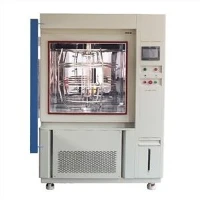
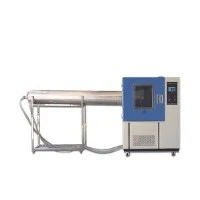
- IPX5 IPX6 Rain Jet Test Chamber: This chamber is used to test the resistance of products to water jets. It simulates the effects of water sprayed from a nozzle at a specific pressure and flow rate. You can learn more about our IPX5 IPX6 Rain Jet Test Chamber.
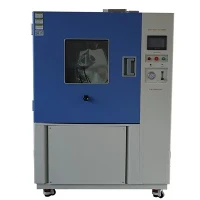
- IPX6K Test Chamber: Similar to the IPX5 IPX6 chamber, the IPX6K chamber is designed to test the resistance of products to high-pressure water jets. It uses a more powerful nozzle to simulate extreme water conditions. Check out our IPX6K Test Chamber.
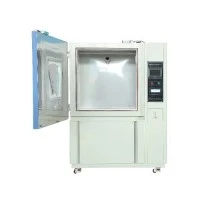
- Dust Ingress Protection Test Equipment: This equipment is used to test the resistance of products to dust ingress. It creates a controlled environment with a specific concentration of dust particles to simulate real-world conditions. Explore our Dust Ingress Protection Test Equipment.
Steps to Join an IP Chamber
Now that you have a better understanding of IP ratings and the types of IP chambers available, let's walk through the steps to join an IP chamber:
- Determine Your Testing Requirements: The first step is to identify the specific IP ratings that your product needs to meet. This will depend on the intended use of the product and the environmental conditions it will be exposed to. Consider factors such as the level of dust and water exposure, as well as any industry standards or regulations that apply.
- Research IP Chambers Suppliers: Once you know your testing requirements, it's time to research IP chambers suppliers. Look for a supplier that has a good reputation, offers a wide range of chambers, and provides excellent customer support. Read reviews and testimonials from other customers to get an idea of their experience with the supplier.
- Request a Quote: Contact the IP chambers suppliers you're interested in and request a quote for the specific chamber or chambers you need. Provide them with detailed information about your testing requirements, including the size of the product, the IP ratings you need to test, and any other special features or requirements.
- Evaluate the Quotes: Compare the quotes from different suppliers based on factors such as price, quality, features, and delivery time. Consider the long-term cost of ownership, including maintenance and calibration requirements. Don't just choose the cheapest option; make sure you're getting a high-quality chamber that meets your needs.
- Choose a Supplier: Once you've evaluated the quotes, choose the IP chambers supplier that offers the best value for your money. Contact them to confirm your order and discuss the next steps in the process.
- Arrange for Installation and Training: After placing your order, the supplier will arrange for the installation of the IP chamber at your facility. They will also provide training on how to operate and maintain the chamber properly. Make sure you have a designated area for the chamber and that all necessary utilities, such as electricity and water, are available.
- Conduct Testing: Once the IP chamber is installed and you've received training, you can start conducting tests on your products. Follow the testing procedures provided by the supplier and make sure you document the results accurately. If you encounter any issues or have any questions during the testing process, contact the supplier for support.
Benefits of Joining an IP Chamber
Joining an IP chamber offers several benefits for businesses and manufacturers:
- Compliance with Standards: By testing your products in an IP chamber, you can ensure that they meet the necessary IP ratings and comply with industry standards and regulations. This is especially important for products that are used in harsh or demanding environments.
- Improved Product Quality: Testing your products in an IP chamber helps you identify any potential weaknesses or vulnerabilities in their design or construction. By addressing these issues before the product is released to the market, you can improve its quality and reliability.
- Enhanced Customer Satisfaction: Products that meet or exceed the required IP ratings are more likely to perform well in real-world conditions, which can lead to increased customer satisfaction. This can help you build a positive reputation and increase sales.
- Competitive Advantage: Having the ability to test your products in an IP chamber gives you a competitive advantage over other businesses that don't have this capability. It shows that you're committed to quality and that you're willing to invest in the necessary equipment and resources to ensure the reliability of your products.
Conclusion
Joining an IP chamber is an important step for businesses and manufacturers that want to ensure the quality and reliability of their products. By understanding IP ratings, choosing the right type of chamber, and following the steps outlined in this blog post, you can make an informed decision and select a chamber that meets your needs. As an IP chambers supplier, I'm here to help you every step of the way. If you have any questions or need further information, please don't hesitate to contact me. We look forward to the opportunity to discuss your specific requirements and help you find the perfect IP chamber for your testing needs. Let's work together to ensure the success of your products in the market.
References
- International Electrotechnical Commission (IEC). (2001). IEC 60529: Degrees of protection provided by enclosures (IP Code).
- Underwriters Laboratories (UL). (2014). UL 50: Enclosures for electrical equipment.
- British Standards Institution (BSI). (2001). BS EN 60529: Degrees of protection provided by enclosures (IP Code).