


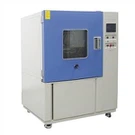

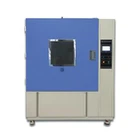

Xenon testers are sophisticated pieces of equipment widely used in various industries for simulating natural weathering conditions. As a leading supplier of Xenon testers, I am excited to delve into the diverse applications of these remarkable machines.
1. Automotive Industry
In the automotive sector, Xenon testers play a crucial role in ensuring the durability and performance of various components. Exterior parts such as bumpers, grilles, and side mirrors are constantly exposed to sunlight, heat, and moisture. Xenon testers can simulate these harsh environmental conditions over an accelerated period. By subjecting these parts to intense light, heat, and humidity cycles, manufacturers can identify potential issues such as color fading, cracking, and material degradation. This allows them to make necessary adjustments to the design and materials, ensuring that the final products meet the highest quality standards.
Interior components like dashboard panels, seat covers, and steering wheels also benefit from Xenon testing. The intense light from the Xenon lamp can cause polymers and fabrics to age prematurely, leading to discoloration and loss of mechanical properties. Through accelerated testing, automotive companies can select materials that are resistant to long - term exposure to sunlight, providing a more comfortable and aesthetically pleasing interior for the end - user.
2. Aerospace Industry
The aerospace industry demands the highest level of reliability and safety from its materials and components. Xenon testers are used to evaluate the performance of aircraft exterior coatings, composite materials, and electronic components under extreme environmental conditions.
Aircraft are exposed to high - altitude sunlight, which contains a significant amount of ultraviolet (UV) radiation. Xenon testers can replicate this UV exposure, along with temperature and humidity variations, to assess the degradation of coatings. A degraded coating can lead to corrosion of the underlying metal structure, compromising the aircraft's integrity. By using Xenon testers, aerospace manufacturers can develop and test coatings that provide long - lasting protection against UV radiation and other environmental factors.
Composite materials, which are widely used in modern aircraft construction, are also tested using Xenon testers. These materials can be affected by UV radiation, moisture, and temperature changes, which may lead to delamination and reduced mechanical strength. Accelerated testing helps in understanding the long - term behavior of composites and ensuring their suitability for aerospace applications.

3. Textile Industry
Textiles are exposed to a wide range of environmental conditions during their use. Xenon testers are employed to evaluate the colorfastness and durability of fabrics. Color fading is a common problem in textiles, especially those used for outdoor applications such as awnings, tents, and outdoor furniture covers.
The Xenon lamp in the tester emits a spectrum of light similar to natural sunlight, including UV rays. By exposing textile samples to this light source for an extended period, manufacturers can determine how well the fabric retains its color. This information is crucial for selecting dyes and pigments that are resistant to fading. Additionally, Xenon testing can also assess the degradation of the fabric's mechanical properties, such as tensile strength and tear resistance, due to long - term exposure to sunlight.
4. Paint and Coatings Industry
In the paint and coatings industry, Xenon testers are essential for developing high - quality products. Paints and coatings are used to protect and enhance the appearance of various surfaces, including buildings, vehicles, and industrial equipment.
The ability of a paint or coating to withstand long - term exposure to sunlight, moisture, and temperature changes is a key factor in its performance. Xenon testers can simulate these conditions to evaluate the coating's resistance to chalking, cracking, blistering, and peeling. Manufacturers can use the test results to formulate coatings with improved durability and weather resistance. For example, exterior architectural coatings need to maintain their color and protective properties for many years. Xenon testing helps in ensuring that these coatings meet the required standards.
5. Plastics Industry
Plastics are used in a vast number of applications, from consumer products to industrial components. However, plastics are susceptible to degradation when exposed to sunlight, especially UV radiation. Xenon testers are used to study the aging behavior of plastics and develop materials with enhanced UV resistance.
By subjecting plastic samples to accelerated weathering in a Xenon tester, manufacturers can observe changes in the plastic's physical and chemical properties. These changes may include discoloration, embrittlement, and a decrease in mechanical strength. Through this testing, additives can be incorporated into the plastic formulation to improve its UV stability. For instance, in the production of plastic outdoor furniture, Xenon testing ensures that the furniture remains strong and retains its appearance over time.
Related Products
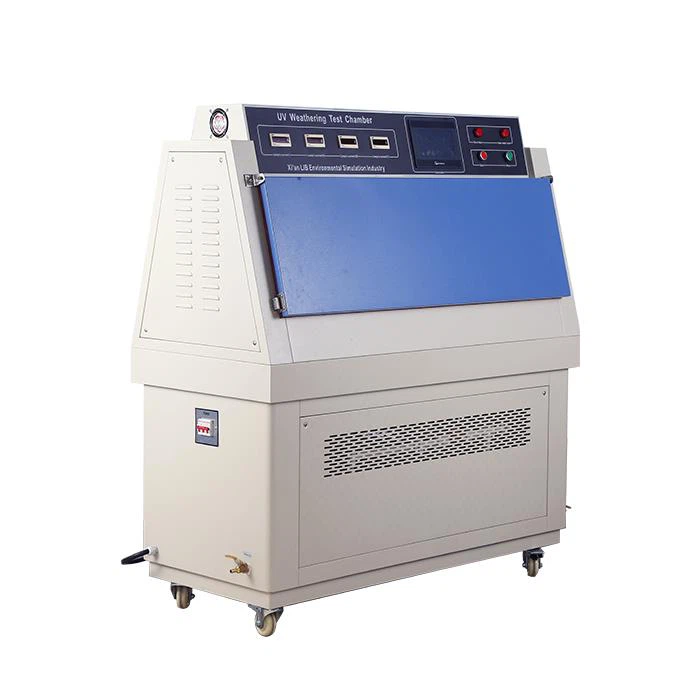
If you are interested in other weathering testing equipment, we also offer a range of related products. The UVA Aging Machine is designed to simulate the effects of UVA radiation on materials. It is particularly useful for testing materials that are mainly affected by UVA rays. The UVA313 UVB340 UV Weatherometer can simulate both UVA and UVB radiation, providing a more comprehensive assessment of a material's weathering resistance. And the UV Exposure Chamber For PV Modules is specifically designed for testing photovoltaic modules, ensuring their long - term performance under UV exposure.
Conclusion
The applications of Xenon testers are vast and diverse, spanning multiple industries. These machines provide valuable insights into the long - term performance of materials and products under natural environmental conditions. As a supplier of Xenon testers, we are committed to providing high - quality equipment that meets the specific needs of our customers. Whether you are in the automotive, aerospace, textile, paint and coatings, or plastics industry, our Xenon testers can help you develop and produce products with superior durability and performance.
If you are interested in learning more about our Xenon testers or would like to discuss your specific testing requirements, we encourage you to reach out to us for a detailed consultation. Our team of experts is ready to assist you in finding the most suitable solution for your business.
References
- ASTM International. "Standard Practices for Operating Xenon Arc Light Apparatus for Exposure of Non - metallic Materials." ASTM G155.
- ISO International Organization for Standardization. "Plastics - Methods of exposure to laboratory light sources - Part 2: Xenon - arc sources." ISO 4892 - 2.
- BSI British Standards Institution. "Methods of exposure of coatings to artificial weathering. Exposure to filtered xenon - arc radiation." BS EN ISO 11341.