


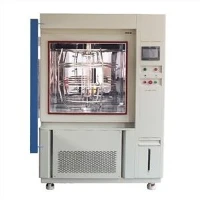
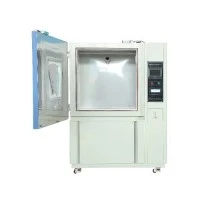
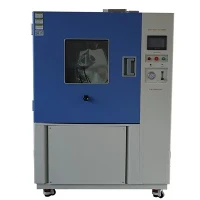
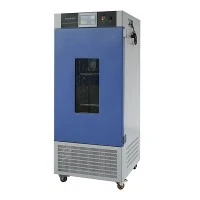
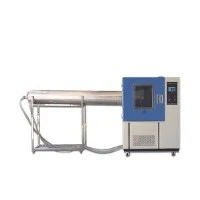
In the textile industry, understanding the impact of ultraviolet (UV) radiation on fabrics is crucial for ensuring product durability and quality. As a leading supplier of UV test chambers, we have witnessed firsthand the importance of accurate and reliable testing methods to assess UV damage to textiles. In this blog post, we will explore the key indicators of UV damage to textiles in a chamber test and how our UV Resistant Test Chamber can help you achieve precise and consistent results.
Understanding UV Damage to Textiles
UV radiation is a significant environmental factor that can cause various forms of damage to textiles over time. When textiles are exposed to UV light, several chemical and physical changes occur, leading to visible and functional deterioration. These changes can affect the appearance, strength, and performance of the fabric, ultimately reducing its lifespan and usability.
One of the primary mechanisms of UV damage to textiles is photodegradation. UV light has enough energy to break chemical bonds in the fabric's polymers, such as cellulose, polyester, or nylon. This process leads to the formation of free radicals, which can react with other molecules in the fabric, causing chain scission, cross - linking, and oxidation. These chemical changes result in a loss of mechanical properties, such as tensile strength and elongation at break, as well as changes in color and surface appearance.
Key Indicators of UV Damage in Chamber Tests
1. Color Change
Color change is one of the most visible indicators of UV damage to textiles. When exposed to UV radiation, dyes and pigments in the fabric can undergo photochemical reactions, leading to fading, discoloration, or color shifting. The degree of color change depends on several factors, including the type of dye, the fabric substrate, and the intensity and duration of UV exposure.


In a chamber test, color change can be measured using a spectrophotometer or a colorimeter. These instruments quantify the difference in color between the unexposed and exposed samples using color space models, such as CIELAB. A higher ΔE value (color difference) indicates a more significant color change. Our ASTM G155 Test Chamber is designed to simulate real - world UV exposure conditions accurately, allowing you to evaluate color change in a controlled environment.
2. Tensile Strength Loss
Tensile strength is a critical mechanical property of textiles, which measures the maximum load a fabric can withstand before breaking. UV damage can significantly reduce the tensile strength of a fabric by breaking the polymer chains in the fibers. As the polymer chains are broken, the fabric becomes weaker and more prone to tearing and ripping.
To measure tensile strength loss in a chamber test, samples are typically cut into standardized shapes and sizes and tested using a universal testing machine before and after UV exposure. The percentage of tensile strength loss is calculated by comparing the tensile strength of the exposed sample to that of the unexposed sample. A high percentage of tensile strength loss indicates severe UV damage to the fabric. Our UV Weatherometer provides a consistent and reproducible UV exposure environment, enabling you to accurately assess tensile strength loss over time.
3. Elongation at Break Reduction
Elongation at break is another important mechanical property that measures the amount of stretching a fabric can undergo before breaking. Similar to tensile strength, UV damage can cause a reduction in elongation at break by weakening the polymer chains in the fibers. A fabric with reduced elongation at break becomes stiffer and less flexible, which can affect its comfort and performance in various applications.
In a chamber test, elongation at break is measured using a universal testing machine in conjunction with the tensile strength test. The percentage of elongation at break reduction is calculated by comparing the elongation at break of the exposed sample to that of the unexposed sample. Monitoring this indicator helps you understand how UV exposure affects the fabric's flexibility and durability.
4. Surface Abrasion Resistance
UV damage can also affect the surface abrasion resistance of textiles. As the polymer chains in the fabric are broken by UV radiation, the surface of the fabric becomes more vulnerable to abrasion. This can lead to pilling, fuzzing, and loss of surface integrity, which not only affects the appearance of the fabric but also its performance in applications where abrasion resistance is important, such as upholstery and outdoor clothing.
To evaluate surface abrasion resistance in a chamber test, various abrasion testing methods can be used, such as the Martindale abrasion test or the Taber abrasion test. These tests simulate the wear and tear that a fabric may experience in real - world use. By comparing the abrasion resistance of the unexposed and exposed samples, you can determine the extent of UV - induced damage to the fabric's surface.
5. Chemical Composition Changes
UV exposure can cause changes in the chemical composition of textiles. For example, oxidation reactions can lead to the formation of new functional groups in the fabric, such as carbonyl groups. These chemical changes can be detected using techniques such as Fourier - transform infrared spectroscopy (FTIR). By analyzing the chemical composition of the fabric before and after UV exposure, you can gain insights into the underlying mechanisms of UV damage and develop strategies to improve the fabric's UV resistance.
How Our UV Test Chambers Can Help
As a leading supplier of UV test chambers, we offer a range of products designed to meet the diverse needs of the textile industry. Our UV Resistant Test Chamber is equipped with advanced UV lamps that can simulate different UV spectra, allowing you to replicate real - world UV exposure conditions accurately. The chamber also features precise temperature and humidity control systems, ensuring consistent and reproducible test results.
Our ASTM G155 Test Chamber is designed to comply with the ASTM G155 standard, which is widely recognized in the industry for accelerated weathering testing. This chamber provides a reliable and efficient way to evaluate the UV resistance of textiles and other materials.
The UV Weatherometer in our product lineup offers a comprehensive solution for UV testing. It can accurately simulate the combined effects of UV radiation, temperature, and humidity, allowing you to assess the long - term performance of textiles in different environmental conditions.
Conclusion
In conclusion, understanding the indicators of UV damage to textiles in a chamber test is essential for the textile industry. By monitoring color change, tensile strength loss, elongation at break reduction, surface abrasion resistance, and chemical composition changes, you can accurately assess the UV resistance of your fabrics and develop strategies to improve their durability and performance.
As a trusted supplier of UV test chambers, we are committed to providing high - quality products and services to help you achieve accurate and reliable test results. Whether you are a textile manufacturer, a researcher, or a quality control professional, our UV test chambers can meet your testing needs.
If you are interested in learning more about our UV test chambers or would like to discuss your specific testing requirements, we encourage you to contact us for a detailed consultation. Our team of experts is ready to assist you in selecting the right equipment and developing customized testing solutions for your business.
References
- ASTM International. (2019). ASTM G155 - 13a(2019): Standard Practice for Operating Xenon Arc Light Apparatus for Exposure of Non - metallic Materials.
- Society of Dyers and Colourists. (2017). Colour Measurement for Textiles.
- Textile Institute. (2018). Handbook of Textile Testing and Quality Control.