


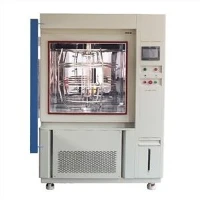
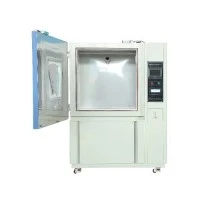
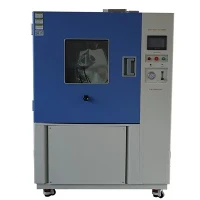
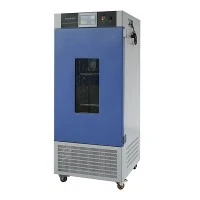
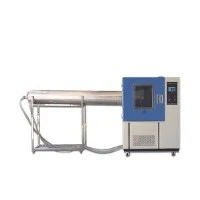
Electronic products are an integral part of our daily lives, ranging from smartphones and tablets to laptops and smart home devices. Ensuring their durability and performance under various environmental conditions is crucial for manufacturers. One effective way to simulate real - world environmental stresses on electronic products is by using a Xenon tester. As a Xenon tester supplier, I'm here to share with you the test items for electronic products using a Xenon tester.
1. Color Fastness Testing
Color is an important aspect of electronic product appearance. Over time, exposure to sunlight can cause color fading, which affects the aesthetics and brand image. A Xenon tester can simulate the long - term effect of sunlight on the product's exterior finish.
The Xenon arc in the tester emits a full - spectrum light similar to natural sunlight, including ultraviolet (UV), visible, and infrared (IR) radiation. When an electronic product is placed inside the tester, the light interacts with the pigments and dyes on its surface. After a certain period of exposure, the color change of the product is evaluated using a color difference meter. This test helps manufacturers select color - fast materials and coatings for their electronic products, ensuring that the color remains consistent over time. For example, a mobile phone manufacturer can use this test to ensure that the color of the phone case does not fade during normal use under sunlight.
2. Material Degradation Testing
Electronic products are made of various materials, such as plastics, rubber, and polymers. These materials can degrade when exposed to sunlight and other environmental factors. The Xenon tester can accelerate this degradation process.
Plastics are commonly used in electronic device housings. Continuous exposure to UV radiation can cause the plastic to become brittle, crack, or lose its mechanical strength. The Xenon tester subjects the plastic components of electronic products to high - intensity light and heat cycling, similar to what they would experience in outdoor environments. By measuring the changes in mechanical properties, such as tensile strength and impact resistance, manufacturers can determine the durability of the plastic materials. For instance, a laptop manufacturer can test the plastic chassis of their laptops to ensure it can withstand long - term sunlight exposure without significant degradation. You may be interested in our Plastic Ultraviolet Aging Tester for more accurate plastic material testing.
3. Adhesive and Sealant Testing
Adhesives and sealants are used in electronic products to bond components together and prevent moisture and dust ingress. However, sunlight and heat can affect their adhesion properties.
In a Xenon tester, the adhesive - bonded parts of an electronic product are exposed to simulated sunlight and temperature variations. The tester can replicate the expansion and contraction of materials due to temperature changes, which can put stress on the adhesive joints. After the test, the adhesion strength of the adhesives is measured. If the adhesion strength drops significantly, it indicates that the adhesive may not be suitable for long - term outdoor use. For example, in a smartwatch, the adhesive used to attach the display to the housing needs to maintain its strength over time. This test helps manufacturers select reliable adhesives and sealants for their products.
4. Optical Component Testing
Many electronic products, such as cameras, displays, and sensors, rely on optical components. These components can be affected by sunlight, especially UV radiation.
The Xenon tester can be used to test the performance of optical lenses, filters, and displays. UV radiation can cause yellowing of optical lenses, which reduces their light transmission and image quality. By exposing the optical components to the Xenon light source, manufacturers can observe the changes in optical properties over time. For example, a camera manufacturer can test the lenses to ensure that they do not yellow or develop other defects after long - term sunlight exposure. This helps in maintaining the high - quality performance of the optical components in electronic products.


5. Electrical Performance Testing
Sunlight exposure can also have an impact on the electrical performance of electronic products. Heat generated by sunlight can increase the temperature of electronic components, which may affect their electrical conductivity and stability.
In a Xenon tester, the electronic product is subjected to both light and heat. The temperature inside the tester can be controlled to simulate different environmental conditions. During the test, the electrical parameters of the product, such as voltage, current, and resistance, are continuously monitored. Any significant changes in these parameters can indicate potential problems with the electrical performance of the product. For example, a solar - powered electronic device needs to maintain stable electrical output under different sunlight conditions. This test helps manufacturers optimize the design and materials of electronic products to ensure reliable electrical performance.
6. Weathering Resistance Testing
Electronic products may be used in various weather conditions, including rainy, humid, and sunny days. A Xenon tester can simulate these complex weathering conditions.
By combining light exposure with humidity and temperature control, the tester can create a more realistic outdoor environment. For example, the tester can alternate between periods of high - intensity light and high humidity to mimic the cycle of sunlight and rain. This test helps manufacturers evaluate how the electronic product will perform in real - world weather conditions. It can identify potential issues such as corrosion, moisture ingress, and electrical short - circuits. Our Weather Testing Machine is designed to provide comprehensive weathering resistance testing for electronic products.
7. UV Resistance Testing
Ultraviolet radiation is one of the most damaging factors for electronic products. It can cause chemical reactions in materials, leading to degradation and failure.
A Xenon tester can focus on the UV component of sunlight to specifically test the UV resistance of electronic products. The UV intensity in the tester can be adjusted according to different standards and requirements. For example, products intended for outdoor use may need to withstand higher levels of UV radiation. By exposing the electronic product to high - intensity UV light in the tester, manufacturers can determine if the product has sufficient UV protection. This may involve testing the UV - blocking properties of coatings, casings, and other protective layers. Our Accelerated UV Test Chamber is an excellent tool for this type of testing.
In conclusion, the Xenon tester plays a vital role in ensuring the quality and durability of electronic products. By conducting these comprehensive test items, manufacturers can identify potential problems early in the development process and make necessary improvements. If you are an electronic product manufacturer in need of reliable testing equipment to ensure the performance and longevity of your products, please feel free to contact us for more information about our Xenon testers and other related testing solutions. We are committed to providing high - quality products and professional services to meet your testing needs.
References
- ASTM International. (Year). Standard test methods for accelerated weathering of plastics using a xenon - arc lamp. ASTM D2565.
- ISO. (Year). Plastics - Methods of exposure to laboratory light sources - Part 2: Xenon - arc lamps. ISO 4892 - 2.