


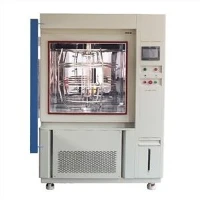
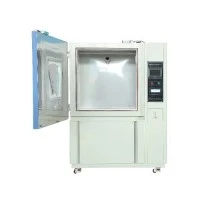
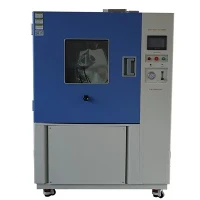
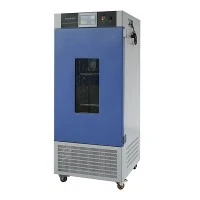
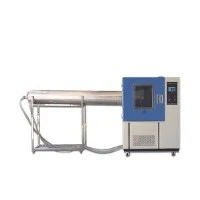
Hey there! As a supplier of test chambers, I often get questions about the lighting options available in these chambers. Lighting in a test chamber isn't just about being able to see what's going on inside; it plays a crucial role in many testing procedures. So, let's dive into the different lighting options you can consider for your test chamber.
Why Lighting Matters in a Test Chamber
Before we get into the types of lighting, it's important to understand why lighting is so important in a test chamber. Different tests require different lighting conditions. For example, in the field of photography or display testing, the lighting needs to mimic real - world scenarios as closely as possible. In the food industry, proper lighting can help in visual inspections for spoilage, color changes, and overall product quality. And in material testing, lighting can affect how we observe surface changes, scratches, or other defects.
Incandescent Lighting
Good old incandescent bulbs were the go - to for a long time. They work by heating a filament until it glows. One of the big advantages of incandescent lighting in a test chamber is its warm, natural - looking light. It can be very useful for tests where the color rendition is important, like in the textile or food industries.
However, incandescent bulbs have some downsides. They're not very energy - efficient. A large amount of the energy they consume is released as heat rather than light. In a test chamber, where controlling the temperature is often crucial, this extra heat can be a major problem. They also have a relatively short lifespan compared to some other lighting options.
Fluorescent Lighting
Fluorescent lights have been around for quite a while and are a popular choice in many test chambers. They work by passing an electric current through a gas - filled tube, which then emits ultraviolet light. This UV light is then converted into visible light by a phosphor coating on the inside of the tube.
One of the main benefits of fluorescent lighting is its energy efficiency. They use less energy than incandescent bulbs and can last much longer. Fluorescent lights also come in a variety of color temperatures, which means you can choose a light that suits the specific testing needs. For instance, a cool - white fluorescent light might be great for general visual inspections, while a more warm - toned one could be used for color - sensitive tests.
But fluorescent lights aren't perfect. They do contain a small amount of mercury, which can be a concern if the bulb breaks. Also, they can take a little time to warm up and reach their full brightness, which might not be ideal for instant - start testing applications.
LED Lighting
LEDs, or light - emitting diodes, have really revolutionized the lighting industry, and test chambers are no exception. LEDs are extremely energy - efficient. They consume a fraction of the energy that incandescent bulbs do and can last tens of thousands of hours.
In terms of light quality, LEDs offer a wide range of color temperatures and can provide very precise color rendering. This makes them ideal for applications where accurate color representation is essential, such as in the art and design industries or for cosmetic product testing. LEDs also have a very fast response time. They can be turned on and off instantly without any warm - up time.
Another advantage of LEDs is that they generate very little heat. This is a huge plus in test chambers where temperature control is key. You don't have to worry about the lighting system affecting the overall temperature inside the chamber. However, high - quality LED lighting systems can be more expensive upfront compared to incandescent or fluorescent options.
Specialized Lighting
In addition to the common lighting types, there are also specialized lighting options for specific testing requirements.


UV Lighting
UV lighting is used in many industries for a variety of tests. For example, in the pharmaceutical industry, UV light can be used to test the stability of drugs under light exposure. In the printing industry, it can be used to cure inks. UV lighting can also be used for detecting counterfeit products, as many materials will fluoresce under UV light.
Infrared Lighting
Infrared (IR) lighting is often used in thermal imaging tests. It can help in monitoring the heat distribution of objects inside the test chamber. In the electronics industry, for example, IR lighting can be used to detect overheating components during reliability tests.
Factors to Consider When Choosing Lighting for a Test Chamber
When you're deciding on the right lighting for your test chamber, there are several factors you need to think about.
- Testing Requirements: First and foremost, you need to understand the specific requirements of your tests. If color accuracy is crucial, then LED or high - quality fluorescent lighting might be the way to go. If you need to simulate sunlight, then you'll need to choose a lighting solution that can replicate the spectrum of sunlight.
- Temperature Control: As I mentioned earlier, the heat generated by the lighting system can affect the temperature inside the chamber. You need to choose a lighting option that won't mess up your temperature - controlled environment.
- Cost: This is always a consideration. While LEDs are more energy - efficient and have a longer lifespan, they can be more expensive to buy initially. You need to weigh the upfront cost against the long - term savings.
- Maintenance: Some lighting options require more maintenance than others. For example, incandescent bulbs need to be replaced more frequently, while LEDs generally have very low maintenance requirements.
Our Test Chamber Offerings
At our company, we understand that different customers have different lighting needs. That's why we offer a wide range of test chambers, each with customizable lighting options. Whether you need an Altitude Test Chamber for high - altitude simulations, a Temperature Oven for heat - related tests, or a Shelf Life Test Chamber for product longevity testing, we've got you covered.
We work closely with our customers to understand their testing requirements and recommend the best lighting solutions for their test chambers. Our team of experts can help you choose the right type of lighting, install it properly, and provide ongoing support.
If you're in the market for a test chamber and want to discuss the lighting options further, don't hesitate to reach out. We're always happy to have a chat and help you find the perfect solution for your testing needs. Whether you're a small - scale manufacturer or a large research institution, we can provide you with the test chamber and lighting setup that'll meet your specific requirements.
Conclusion
In conclusion, choosing the right lighting for a test chamber is a critical decision that can have a big impact on the accuracy and reliability of your tests. Whether you opt for the traditional incandescent bulbs, the energy - efficient fluorescent lights, the modern LEDs, or a specialized lighting option, it's important to consider your specific testing requirements, temperature control needs, cost, and maintenance. If you have any questions or need more information, feel free to contact us. We're here to help you make the best choice for your test chamber.
References
- Lighting Handbook: Reference and Application, by the Illuminating Engineering Society of North America.
- Test Chamber Design and Operation Manuals from various manufacturers.