


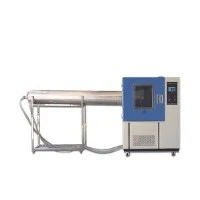
As a supplier in the cold room business, I've received numerous inquiries about the potential use of cold rooms for storing herbs. This is a topic that combines my expertise in cold storage solutions with the growing interest in herbal preservation. Let's delve into the details of whether a cold room can effectively be used for storing herbs.
The Basics of Herb Storage
Herbs are delicate plants that contain essential oils, vitamins, and other bioactive compounds. These components give herbs their unique flavors, aromas, and medicinal properties. However, they are also susceptible to degradation due to factors such as temperature, humidity, light, and oxygen.
Temperature plays a crucial role in herb storage. High temperatures can accelerate the loss of essential oils, causing herbs to lose their flavor and aroma. In addition, warm temperatures can promote the growth of microorganisms, leading to spoilage. On the other hand, extremely low temperatures can damage the cellular structure of herbs, resulting in a loss of quality.
Humidity is another important factor. Too much humidity can lead to mold growth and deterioration, while low humidity can cause herbs to dry out and become brittle. Light can also cause the breakdown of volatile compounds in herbs, reducing their quality over time. Oxygen exposure can lead to oxidation, which can change the color, flavor, and nutritional value of herbs.
How Cold Rooms Can Help
Cold rooms offer a controlled environment that can address many of the challenges associated with herb storage. By maintaining a low and stable temperature, cold rooms can slow down the biochemical processes that lead to herb degradation. Most herbs can be stored at temperatures between 0°C and 5°C (32°F and 41°F), depending on the type of herb.
In addition to temperature control, cold rooms can also help manage humidity levels. By using a humidifier or dehumidifier, it is possible to maintain the optimal humidity range for herb storage, typically between 60% and 70%. This helps prevent mold growth and keeps herbs fresh for longer periods.


Cold rooms also provide protection from light and oxygen. They are typically designed with insulated walls and doors that block out light, and they can be sealed to minimize oxygen exposure. This helps preserve the color, flavor, and nutritional value of herbs.
Types of Cold Rooms Suitable for Herb Storage
There are several types of cold rooms that can be used for herb storage.
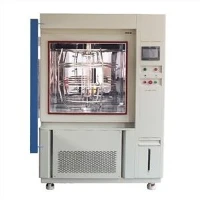
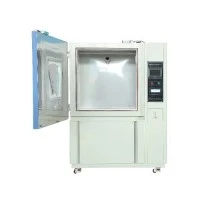
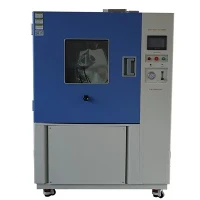
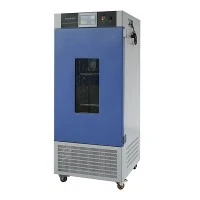
One option is the Reach - in Test Chambers. These chambers are ideal for small - scale herb storage, such as in a laboratory or a small - business setting. They are compact and easy to install, and they offer precise temperature and humidity control.
For larger - scale operations, the Walk In Environmental Chamber is a great choice. These chambers provide ample space for storing a large quantity of herbs. They are equipped with advanced control systems that can maintain a stable environment for herb preservation.
If flexibility is required, the Removable Walk In Chamber is a suitable option. These chambers can be easily assembled and disassembled, making them ideal for temporary or mobile herb storage needs.
Considerations for Using Cold Rooms to Store Herbs
When using a cold room to store herbs, there are a few important considerations to keep in mind.
First, it is essential to properly prepare the herbs before storage. This may involve washing, drying, and trimming the herbs to remove any dirt, debris, or damaged parts. Herbs should be completely dry before being placed in the cold room to prevent mold growth.
Second, different types of herbs may have different storage requirements. For example, some herbs, such as mint and basil, are more sensitive to cold temperatures and may require slightly higher storage temperatures. It is important to research the specific storage requirements of each type of herb and adjust the cold room settings accordingly.
Third, proper organization is key to efficient herb storage. Herbs should be stored in labeled containers or packages to facilitate easy identification and retrieval. This also helps prevent cross - contamination between different types of herbs.
Finally, regular monitoring of the cold room conditions is necessary. Temperature and humidity levels should be checked regularly to ensure they remain within the optimal range for herb storage. Any signs of spoilage or mold growth should be addressed immediately to prevent the spread of contamination.
Benefits of Using Cold Rooms for Herb Storage
Using a cold room for herb storage offers several benefits.
One of the main benefits is extended shelf life. By maintaining a controlled environment, cold rooms can significantly extend the shelf life of herbs, allowing them to be stored for weeks or even months without losing their quality. This is particularly important for herbs that are out of season or difficult to source.
Cold rooms also help maintain the quality of herbs. The controlled temperature and humidity levels prevent the loss of essential oils, flavor, and aroma, ensuring that herbs retain their natural characteristics. This is important for both culinary and medicinal uses of herbs.
In addition, cold rooms can improve the efficiency of herb storage and management. They provide a dedicated space for storing herbs, making it easier to organize and access them. This can save time and reduce waste in a commercial setting.
Conclusion
In conclusion, a cold room can indeed be used for storing herbs. It offers a controlled environment that can address the challenges associated with herb storage, such as temperature, humidity, light, and oxygen. By choosing the right type of cold room and following the proper storage procedures, it is possible to extend the shelf life of herbs and maintain their quality.
Whether you are a small - scale herb grower, a commercial herb supplier, or a chef looking to store fresh herbs, a cold room can be a valuable investment.
If you are interested in learning more about our cold room solutions for herb storage or have any questions regarding the selection, installation, or operation of cold rooms, we welcome you to reach out for a discussion. We are here to help you find the best cold storage solution for your specific herb storage needs.
References
- "Postharvest Handling: A Systems Approach" by Elizabeth Mitcham.
- "Herbs: Cultivation, Utilization, and Marketing" by various authors.