




Hey there! As an aging test supplier, I often get asked about what the aging test environment for indoor products actually is. Well, let's dive right in and break it down.
Aging tests for indoor products are super important. They help us figure out how well a product will hold up over time under normal or even extreme indoor conditions. You see, indoor products are used in a wide range of settings - from our cozy homes to big office buildings. And we want to make sure they don't just work great when they're brand - new but also stay reliable for a long time.
One of the key aspects of the aging test environment is temperature. Temperature can have a huge impact on how indoor products function. For example, electronics can overheat if they're in a warm environment for too long. This can lead to reduced performance or even permanent damage. On the other hand, extremely cold temperatures can make materials brittle and cause parts to malfunction.
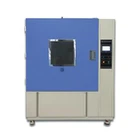
That's where test chambers come in super handy. We've got different types of chambers to simulate various temperature conditions. Take the Cell Stabilized Temperature Test Chamber. This bad boy can maintain a stable temperature for a long time, which is perfect for testing products that need consistent temperature conditions. It's like creating a mini - climate just for your product to see how it fares.
Another important factor is humidity. High humidity can cause corrosion on metal parts, mold growth on organic materials, and can even affect the electrical conductivity of some components. Low humidity, on the other hand, can lead to static electricity build - up, which can damage sensitive electronics.
We can simulate different humidity levels in our test chambers as well. By controlling both temperature and humidity, we can mimic the real - world indoor environments that products are likely to encounter. For instance, in a bathroom, the humidity is usually quite high. So, if you're testing a product that might be used in a bathroom, we can set up the test chamber to have high humidity levels to see how it copes.
Vibration is another element in the aging test environment. You might think that indoor products don't experience much vibration, but that's not always true. For example, products placed near a washing machine or a refrigerator can be exposed to vibrations. These vibrations can cause loose connections, wear and tear on moving parts, and even structural damage over time.
Our Vibration Chamber is designed to simulate different levels of vibration. We can adjust the frequency and amplitude of the vibrations to match the real - world scenarios. This way, we can test how well a product can withstand the shaking and keep working properly.
Light is also a factor, especially for products that are exposed to sunlight or artificial light for long periods. Ultraviolet (UV) light can cause fading, discoloration, and degradation of materials. For example, furniture fabrics can lose their color, and plastic parts can become brittle.
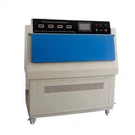
In our test chambers, we can simulate different light intensities and wavelengths. This helps us assess how light will affect the appearance and performance of indoor products over time.
Now, let's talk about the cryogenic side of things. Sometimes, we need to test how indoor products will perform in extremely cold conditions. Maybe a product will be stored in a cold storage room or used in a cold climate area. That's where the Cryogenic Chamber comes in. It can reach very low temperatures, allowing us to see how materials and components react in the cold.


When we're setting up an aging test environment for a specific indoor product, we first need to understand its intended use. Is it a consumer electronics device that will be used in a living room? Or is it an industrial product that will be placed in a factory environment? Based on this information, we can customize the test conditions to be as realistic as possible.
We also take into account the standards and regulations that apply to the product. Different industries have different requirements for product durability and safety. For example, the medical device industry has very strict standards for aging tests to ensure the reliability of equipment.
Once we've set up the test environment, we run the product through a series of tests over a specified period. We monitor various parameters such as temperature, humidity, vibration, and the performance of the product itself. We collect data at regular intervals to see how the product is changing over time.
After the tests are completed, we analyze the data. We look for any signs of wear and tear, degradation, or performance issues. Based on the results, we can provide recommendations to the product manufacturer. Maybe they need to change the materials used in the product, improve the design, or adjust the manufacturing process.
As an aging test supplier, our goal is to help manufacturers create better, more reliable indoor products. We know that in today's competitive market, consumers expect products to last. By providing accurate and comprehensive aging test results, we can give manufacturers the confidence to stand behind their products.
If you're a manufacturer looking to test your indoor products, we'd love to work with you. We've got the expertise, the state - of - the - art equipment, and the experience to ensure that your products are put through the most realistic aging tests possible. Contact us to start a conversation about your testing needs and let's work together to make your products the best they can be.
References
- "Handbook of Product Design and Development"
- "Testing and Evaluation of Consumer Products"