




When it comes to heating ovens, understanding the difference between a single and a double heating oven is crucial for making an informed decision. As a heating oven supplier, I've had the opportunity to work closely with customers from various industries, and I often encounter questions regarding the distinctions between these two types of ovens. In this blog post, I'll delve into the key differences between single and double heating ovens, their unique features, and the scenarios where each type excels.
1. Heating Mechanism
The fundamental difference between single and double heating ovens lies in their heating mechanisms. A single heating oven typically uses a single heat source, which can be either a heating element at the bottom or on one side of the oven cavity. This heat source radiates heat into the oven, gradually warming up the interior and the items placed inside. The heat transfer in a single heating oven is mainly through convection, where the hot air rises and circulates within the oven.
On the other hand, a double heating oven is equipped with two heat sources. Usually, there is a heating element at the top and another at the bottom of the oven cavity. This dual - heat setup allows for more precise and even heating. The top heating element can be used for tasks that require direct heat from above, such as browning the surface of baked goods, while the bottom element provides consistent heat from below. The combination of these two heat sources enhances the overall heating efficiency and reduces the chances of unevenly cooked or baked items.
2. Temperature Distribution
Temperature distribution is a critical factor when it comes to achieving consistent results in cooking or industrial processes. In a single heating oven, the temperature can vary significantly within the oven cavity. The area closest to the heating element will be hotter, while the areas farther away may be cooler. This uneven temperature distribution can lead to uneven cooking, with some parts of the food or product being overcooked while others remain undercooked.
In contrast, double heating ovens offer more uniform temperature distribution. The dual heat sources work together to create a more balanced thermal environment inside the oven. The top and bottom heating elements can be adjusted independently, allowing for fine - tuning of the temperature in different parts of the oven. This results in more consistent cooking or processing, whether you're baking multiple items on different racks or conducting industrial heat - treatment processes.
3. Cooking and Baking Capabilities
Single heating ovens are suitable for basic cooking and baking tasks. They are often more affordable and can be a good choice for home kitchens or small - scale operations with limited cooking needs. For example, if you mainly bake simple items like cookies or roast small cuts of meat, a single heating oven can get the job done. However, due to their limited heating capabilities, they may not be ideal for more complex recipes that require precise temperature control and even cooking.
Double heating ovens, on the other hand, offer a wider range of cooking and baking possibilities. They are great for professional chefs or home cooks who want to take their culinary skills to the next level. With the ability to control the top and bottom heat independently, you can achieve perfect results for a variety of dishes. For instance, when baking a pizza, you can use the top heating element to get a crispy crust while the bottom element ensures that the dough is cooked through evenly. In industrial applications, double heating ovens are often used for processes such as annealing, curing, and drying, where precise temperature control is essential.
4. Energy Efficiency
Energy efficiency is an important consideration for both home and industrial users. Single heating ovens generally consume less energy because they have only one heat source. However, their lower energy consumption comes at the cost of longer cooking times and potentially less efficient cooking processes due to uneven heating.
Double heating ovens, although they have two heat sources, can be more energy - efficient in the long run. Their ability to cook or process items more quickly and evenly means that they may use less energy overall, even though they have a higher initial power draw. Additionally, many modern double heating ovens are equipped with advanced insulation and energy - saving features, which further reduce energy consumption.
5. Size and Capacity
Single heating ovens are available in a wide range of sizes, from small countertop models for home use to larger industrial - sized units. However, they are generally more limited in terms of capacity compared to double heating ovens. The single heat source design requires a certain amount of space for proper heat circulation, which can restrict the available cooking or processing area.
Double heating ovens often come in larger sizes and offer greater capacity. The dual - heat setup allows for more efficient use of the oven cavity, enabling users to cook or process larger quantities of items at once. This makes them a better choice for commercial kitchens, bakeries, and industrial facilities where high - volume production is required.
Related Products
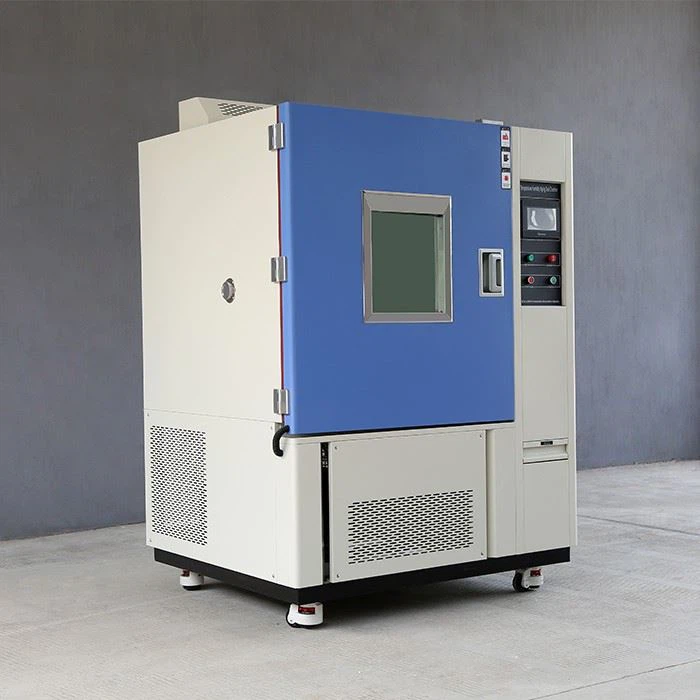
If you're interested in other temperature - related equipment, we also offer a range of high - quality chambers. Check out our Temperature Humidity Chamber, which is designed to simulate different temperature and humidity conditions for testing and research purposes. Our Humidity Conditioning Chamber is another excellent option for precise humidity control in various applications. And for those in need of cable aging testing, our Cable Air Oven Aging Test Chamber provides a reliable solution.
Conclusion
In conclusion, the choice between a single and a double heating oven depends on your specific needs and requirements. Single heating ovens are more budget - friendly and suitable for basic cooking and small - scale operations. They are simple to use and can handle everyday cooking tasks. However, if you need more precise temperature control, even heating, and greater cooking or processing capabilities, a double heating oven is the way to go.
As a heating oven supplier, we are committed to providing our customers with the best - quality ovens and related equipment. Whether you're a home cook looking to upgrade your kitchen or an industrial manufacturer in need of high - performance heating solutions, we have the expertise and products to meet your needs. If you're interested in learning more about our heating ovens or have any questions regarding the selection process, please don't hesitate to contact us. We look forward to discussing your requirements and helping you find the perfect heating oven for your application.

References
- "Oven Technology and Design" - A comprehensive guide on oven design principles and heating mechanisms.
- "Cooking Science: Temperature and Heat Transfer" - Research on the impact of temperature distribution on cooking results.
- Industry reports on energy efficiency in heating ovens.