




Can a rain chamber be used for long - term continuous testing?
As a supplier of rain chambers, I often encounter inquiries from clients regarding the feasibility of using our rain chambers for long - term continuous testing. This is a crucial question, especially for industries that require rigorous and extended environmental testing of their products, such as automotive, aerospace, and outdoor electronics.
The Basics of Rain Chambers
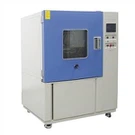
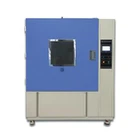
Rain chambers are designed to simulate various rain conditions, including different rainfall intensities, drop sizes, and wind - driven rain scenarios. These chambers are essential for evaluating the water - resistance and durability of products under controlled conditions. By replicating real - world rain events, manufacturers can ensure that their products can withstand the harsh elements and function properly in wet environments.
Advantages of Long - Term Continuous Testing
Long - term continuous testing in a rain chamber offers several significant advantages. Firstly, it provides a more comprehensive assessment of a product's performance over time. Many products may show initial resistance to water, but over an extended period, issues such as corrosion, water ingress, and degradation of seals may occur. Continuous testing allows these latent problems to surface, enabling manufacturers to make necessary design improvements.
Secondly, it helps in validating the long - term reliability of products. For example, in the automotive industry, vehicles need to endure years of exposure to rain and moisture. By subjecting automotive components to long - term continuous testing in a rain chamber, manufacturers can have greater confidence in the durability of their products on the road.
Technical Considerations for Long - Term Continuous Testing
However, using a rain chamber for long - term continuous testing is not without its challenges. One of the primary technical considerations is the stability of the chamber's environmental conditions. Maintaining a consistent rainfall intensity, temperature, and humidity over an extended period requires advanced control systems. Our rain chambers are equipped with state - of - the - art sensors and control algorithms that can precisely regulate these parameters. For instance, the temperature control system ensures that the internal temperature of the chamber remains within a narrow range, preventing any thermal stress on the tested products that could affect the test results.


Another important aspect is the wear and tear of the chamber components. The nozzles that generate the rain droplets, for example, may experience clogging or erosion over time. Regular maintenance and replacement of these components are essential to ensure the accuracy of the test results. Our company provides detailed maintenance guidelines and offers spare parts to ensure the smooth operation of the rain chambers during long - term continuous testing.
Case Studies
Let's take a look at some real - world examples of long - term continuous testing using our rain chambers. A leading outdoor electronics manufacturer wanted to test the water - resistance of their new line of smart cameras. They used our rain chamber for a continuous 3 - month test, simulating different rain intensities and wind conditions. During the test, they discovered that a small gap in the camera housing allowed water to seep in after prolonged exposure to heavy rain. Based on this finding, they were able to modify the design and improve the camera's water - proofing.
In the aerospace industry, a company used our rain chamber to test the integrity of aircraft windows. The long - term continuous test revealed that the sealant around the windows gradually deteriorated over time, which could potentially lead to water leakage during flight. This discovery prompted the company to develop a more durable sealant, enhancing the safety and reliability of their aircraft.
Compatibility with Different Standards
When conducting long - term continuous testing, it is also important to ensure that the rain chamber meets the relevant industry standards. Our rain chambers are designed to comply with a wide range of international standards, such as IP (Ingress Protection) ratings. For example, the IP69K Rating Test Chamber is specifically designed to test products for the highest level of protection against water and dust ingress. Similarly, the IP66K Test Devices and IP68 Water Tester are suitable for products that require different levels of water - resistance testing.
Cost - Benefit Analysis
From a cost - benefit perspective, long - term continuous testing in a rain chamber can be a wise investment. Although the initial cost of purchasing a rain chamber and conducting long - term tests may seem high, the potential savings in terms of product recalls, warranty claims, and reputation damage can be substantial. By identifying and resolving product issues early in the development process, manufacturers can avoid costly mistakes and ensure the long - term success of their products in the market.
Conclusion
In conclusion, a rain chamber can indeed be used for long - term continuous testing. With proper technical design, maintenance, and compliance with industry standards, it can provide valuable insights into the performance and durability of products. If you are considering long - term continuous testing for your products, we invite you to contact us for more information. Our team of experts can help you choose the right rain chamber for your specific needs and provide you with comprehensive support throughout the testing process.
References
- "Environmental Testing Handbook", John Wiley & Sons
- "Ingress Protection (IP) Ratings: A Guide", International Electrotechnical Commission (IEC)