


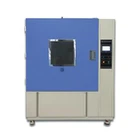


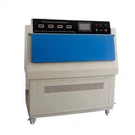
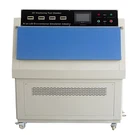
Hey there! As a supplier of dust testers, I often get asked about the noise level of these machines during operation. It's a valid concern, especially if you're planning to use the dust tester in a shared workspace or an environment where noise can be a nuisance. In this blog post, I'll break down what you can expect in terms of noise when using a dust tester and how it might impact your operations.
First off, let's understand why dust testers make noise in the first place. Dust testers are complex pieces of equipment that typically involve several moving parts. These parts include fans, motors, and pumps, which are essential for creating the airflow and pressure needed to simulate dust conditions. When these components are in operation, they generate vibrations and air movement, which in turn produce sound.
The noise level of a dust tester can vary widely depending on several factors. One of the most significant factors is the size and power of the tester. Larger dust testers with more powerful motors and fans tend to be noisier than smaller, more compact models. This is because they need to generate more airflow and pressure to test larger or more complex products.
Another factor that affects noise level is the design of the dust tester. Some manufacturers use advanced noise reduction technologies, such as soundproofing materials and vibration dampeners, to minimize the noise produced by the machine. On the other hand, older or lower - quality models may not have these features, resulting in a louder operation.
The type of test being conducted also plays a role. For example, a high - intensity dust test that requires a large volume of dust to be circulated at high speeds will likely produce more noise than a low - intensity test. Additionally, if the dust tester is running continuously for an extended period, the noise can become more noticeable and potentially more of a problem.
So, what kind of noise levels are we talking about? Well, on average, a typical dust tester can produce noise levels ranging from 60 to 80 decibels (dB) during operation. To put this into perspective, 60 dB is about the level of normal conversation, while 80 dB is comparable to the noise of a busy city street. While these levels may not seem overly loud, continuous exposure to noise at or above 80 dB can cause hearing damage over time.


If you're concerned about the noise level of a dust tester, there are a few things you can do. First, consider the location where you'll be using the tester. Placing it in a well - insulated room or an area away from areas where people are working can help reduce the impact of the noise. You can also look for dust testers that are specifically designed to be quiet. Some models are marketed as "low - noise" or "quiet operation," and these are worth considering if noise is a major concern.
As a dust tester supplier, we understand the importance of noise reduction. That's why we offer a range of dust testers with different noise levels to suit your needs. Whether you're looking for a high - performance tester for a large - scale operation or a quiet, compact model for a small workspace, we've got you covered.
In addition to our dust testers, we also offer other types of testing equipment, such as the Sand Dust Ingress Test Chamber, the IPX3 X4 Rain Spray Test Chamber, and the IP6X IP5X Ingress Test Chamber. These chambers are designed to test the ingress protection (IP) rating of products, ensuring that they are protected against dust, water, and other environmental factors.
If you're in the market for a dust tester or any other testing equipment, we'd love to have a chat with you. We can provide you with detailed information about our products, including their noise levels, features, and specifications. Our team of experts can also help you choose the right equipment for your specific needs and budget.
Don't let noise be a barrier to getting the testing equipment you need. Contact us today to start the conversation about your testing requirements. We're here to help you find the perfect solution for your business.
References
- "Industrial Noise and Its Control" by John D. Grainger
- "Handbook of Noise Measurement" by GenRad Inc.