

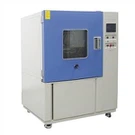

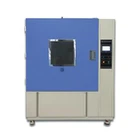


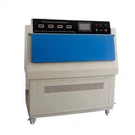
In the realm of industrial quality control, IP (Ingress Protection) chambers play a pivotal role in ensuring the reliability and durability of products against environmental factors such as dust and water. As we stand on the cusp of a new era, various trends are shaping the future of IP chambers. In my role as a supplier of IP chambers, I have witnessed firsthand the evolving demands and technological advancements that are driving this industry forward.
1. Advancements in Testing Precision
One of the most significant trends in the future of IP chambers is the quest for higher testing precision. As electronic devices become more sophisticated and compact, the need to accurately assess their ingress protection levels has become increasingly critical. Modern IP chambers are incorporating advanced sensors and control systems that can detect even the slightest ingress of dust or water. For instance, high - resolution cameras and pressure sensors are being used to monitor the sealing integrity of products during testing. This enhanced precision not only ensures that products meet strict industry standards but also provides valuable data for product development and improvement.
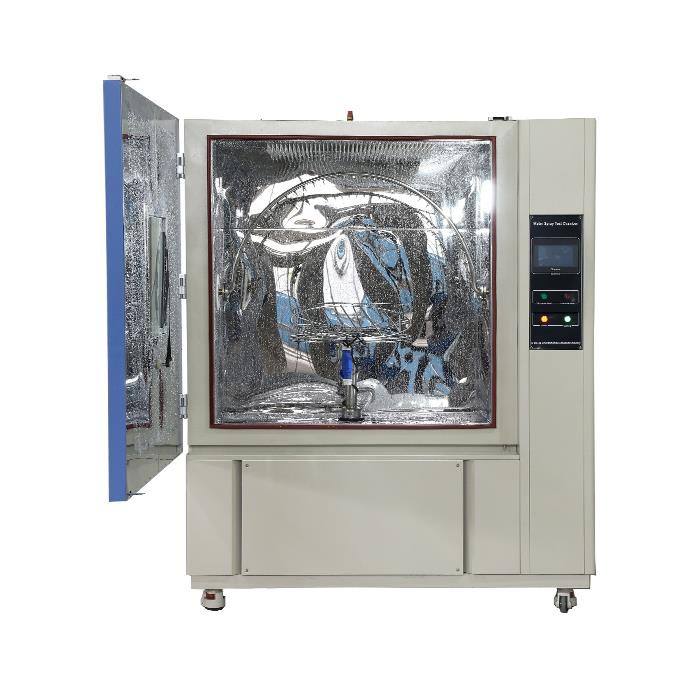
Linking to more accurate testing, our Ipx3 X4 Test Machine is at the forefront of this trend. It is equipped with state - of - the - art sensors that can precisely measure the water spray and simulate real - world conditions, enabling manufacturers to accurately evaluate the water resistance of their products.
2. Integration of Smart Technologies
The integration of smart technologies is another major trend that will shape the future of IP chambers. Internet of Things (IoT) technology is being increasingly incorporated into IP chambers, allowing for remote monitoring and control. Manufacturers can now access real - time data about the testing process from anywhere in the world, using their smartphones or other connected devices. This not only improves the efficiency of the testing process but also enables quick decision - making in case of any anomalies.
Artificial intelligence (AI) and machine learning algorithms are also being applied to IP chambers. These technologies can analyze large amounts of testing data to identify patterns and predict potential failures. By leveraging AI, manufacturers can optimize their production processes, reduce waste, and improve the overall quality of their products. Our Water Spray Jetting Chamber is designed to be compatible with smart technologies, providing customers with a seamless and efficient testing experience.
3. Customization and Modularity
In today's diverse market, one - size - fits - all solutions are no longer sufficient. Manufacturers across different industries have unique requirements when it comes to IP testing. As a result, there is a growing demand for customizable IP chambers. Suppliers are now offering solutions that can be tailored to specific testing needs, including chamber size, testing parameters, and integration with other manufacturing processes.
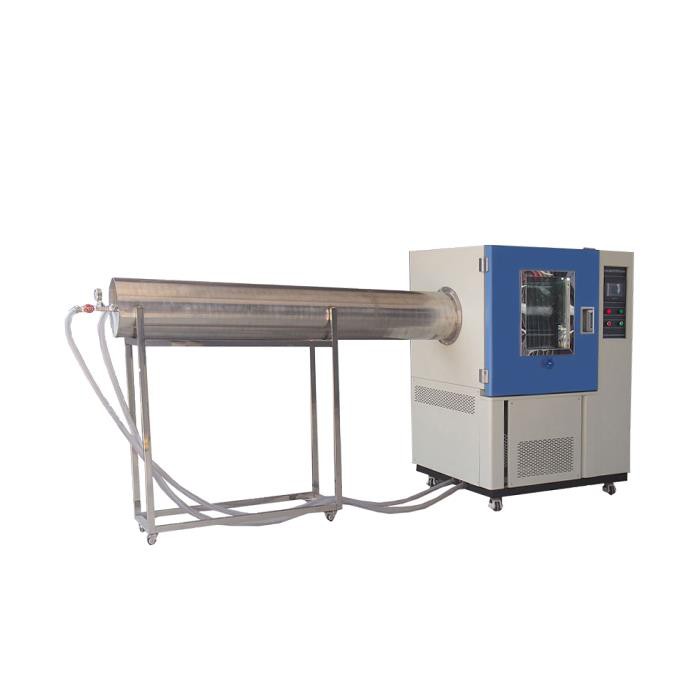
Modularity is also becoming an important aspect of IP chamber design. Modular IP chambers allow for easy expansion and modification, enabling manufacturers to adapt to changing testing requirements over time. This flexibility not only reduces the initial investment but also future - proofs the testing infrastructure. Our IP Water Proof Test Chamber is built with modularity in mind, offering customers the ability to customize the chamber according to their specific needs.
4. Environmental Sustainability
Sustainability is a global concern, and the IP chamber industry is no exception. Future IP chambers will be designed with a greater focus on environmental friendliness. This includes reducing energy consumption, using eco - friendly materials, and minimizing waste generation during the testing process.
Energy - efficient components and advanced insulation materials are being used to reduce the power consumption of IP chambers. Additionally, water recycling systems are being incorporated into water - based testing chambers to minimize water waste. By adopting sustainable practices, manufacturers can not only reduce their environmental footprint but also lower their operating costs in the long run.
5. Global Standardization and Regulations
As international trade continues to grow, the need for global standardization of IP testing methods and regulations is becoming more apparent. Different regions and industries may have their own specific requirements for ingress protection, but there is a growing movement towards harmonizing these standards. This will make it easier for manufacturers to test their products for compliance across different markets.
Moreover, regulatory bodies are constantly updating and tightening the requirements for IP ratings. Manufacturers need to ensure that their products meet these evolving standards to remain competitive in the global market. IP chamber suppliers play a crucial role in helping manufacturers stay up - to - date with these regulations by providing chambers that are capable of conducting tests according to the latest standards.
6. Industry 4.0 Integration
The concept of Industry 4.0, which emphasizes the integration of digital technologies into manufacturing processes, is also having a significant impact on the IP chamber industry. IP chambers are being integrated into the overall smart factory ecosystem, where they can communicate with other production equipment and systems.
For example, IP chambers can be connected to the production line's control system, allowing for automatic testing of products as they are manufactured. This real - time integration improves the efficiency of the production process and reduces the time and cost associated with manual handling and testing. It also enables better traceability of product quality, as all test data can be recorded and analyzed in the context of the entire production process.
7. Focus on User Experience
In the future, user experience will be a key differentiator for IP chamber suppliers. Manufacturers are looking for IP chambers that are easy to operate, maintain, and troubleshoot. Suppliers are responding by designing chambers with intuitive user interfaces, simplified control panels, and comprehensive training and support services.
Easier access to maintenance and repair parts is also an important aspect of user experience. By ensuring that replacement parts are readily available and easy to install, suppliers can minimize downtime and keep the testing process running smoothly.
Conclusion
The future of IP chambers is filled with exciting possibilities. Advancements in testing precision, the integration of smart technologies, customization, environmental sustainability, global standardization, Industry 4.0 integration, and a focus on user experience are all driving the evolution of this industry. As a supplier of IP chambers, we are committed to staying at the forefront of these trends and providing our customers with the most advanced and reliable testing solutions.
If you are in the market for IP chambers or want to discuss your specific testing requirements, we invite you to contact us for further details and a procurement consultation. We are dedicated to working with you to find the best IP chamber solutions that meet your needs.
References
- ISO 20653:2013, Road vehicles — Degrees of protection (IP code) of electrical equipment against foreign objects, water and access
- IEC 60529, Degrees of protection provided by enclosures (IP code)