





Hey there! As a supplier of IPx8 testers, I often get asked about the radiation resistance of these nifty devices. So, let's dive right in and break it down.
First off, what exactly is an IPx8 tester? Well, it's a piece of equipment used to test the ingress protection (IP) rating of products, specifically focusing on their resistance to water immersion. The "x" in IPx8 represents that the device is tested for protection against solid objects according to a different set of criteria, and the "8" indicates that it can withstand continuous immersion in water under specific conditions.
Now, onto the main topic: radiation resistance. Radiation resistance in the context of an IPx8 tester isn't something that's always top of mind, but it can be crucial depending on the environment where the tester is used. Radiation can come in various forms, such as electromagnetic radiation, which includes radio waves, microwaves, infrared, visible light, ultraviolet, X - rays, and gamma rays.

In most normal industrial settings where IPx8 testers are used, the levels of radiation are relatively low. However, in some specialized environments like near power plants, research facilities, or even in outer space applications, radiation can be a significant factor.
Let's talk about how radiation can affect an IPx8 tester. Electromagnetic radiation can interfere with the electrical components of the tester. For example, high - energy radiation can cause electronic circuits to malfunction. It might disrupt the sensors that are used to measure water pressure, temperature, or other parameters during the testing process. If the sensors are affected, the accuracy of the test results can be compromised.
Another aspect is the impact on the structural integrity of the tester. Some types of radiation, like ultraviolet radiation from sunlight over a long period, can cause the materials of the tester to degrade. Plastics might become brittle, and seals might lose their elasticity, which could lead to water leakage during testing and ultimately affect the reliability of the tester.
So, how do we ensure that our IPx8 testers have good radiation resistance? At our company, we take several steps. First, we use high - quality materials that are known for their radiation - resistant properties. For the electronic components, we select parts that are designed to operate in harsh electromagnetic environments. We also conduct rigorous testing on our testers to simulate different levels of radiation exposure.
We test our IPx8 testers in specialized radiation chambers where we can control the type and intensity of radiation. This allows us to identify any potential weaknesses in the design and make necessary improvements. For example, we might add shielding to the electronic circuits to protect them from electromagnetic interference.
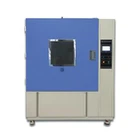
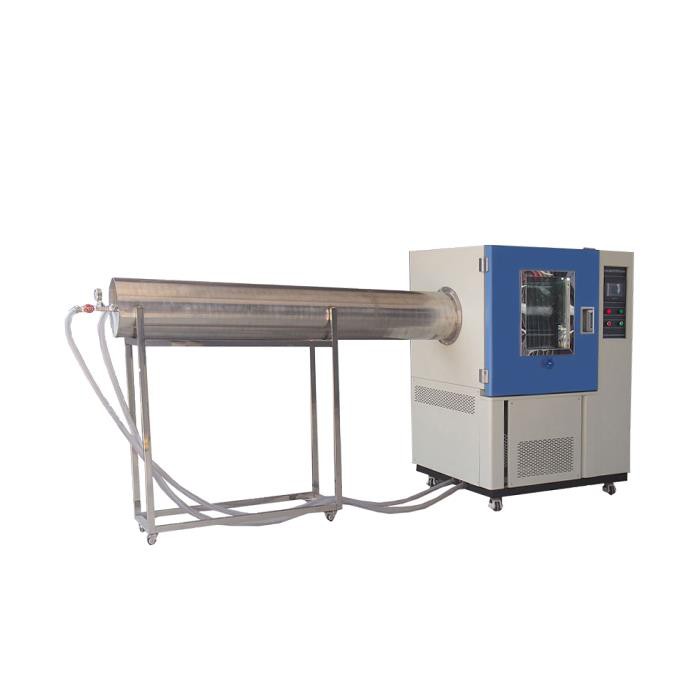
Now, let's take a look at some of the products we offer. Our IP Test IP68 Water And Dust Tester is a great example. It's designed to provide accurate and reliable testing for products with IP68 ratings. It has been engineered with radiation resistance in mind, ensuring that it can perform well even in environments with slightly elevated radiation levels.
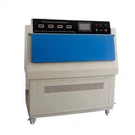
Another product is our Water Spray Jetting Chamber. This chamber is used for testing products against water spray, which is an important part of the IP testing process. It also has features that enhance its radiation resistance, such as a well - shielded control panel.
We also have IP54 Test Equipment, which is used for testing products with a different level of ingress protection. Although it's not specifically an IPx8 tester, it shares some of the same design principles when it comes to radiation resistance.
When it comes to choosing an IPx8 tester, radiation resistance should be one of the factors you consider, especially if you plan to use the tester in a potentially high - radiation environment. You want a tester that can maintain its accuracy and reliability over time, regardless of the radiation levels it's exposed to.
If you're in the market for an IPx8 tester or any other IP testing equipment, don't hesitate to reach out. We're here to help you find the right solution for your specific needs. Whether you're testing small consumer electronics or large industrial equipment, we have the expertise and the products to ensure accurate and reliable testing.
In conclusion, radiation resistance is an important aspect of an IPx8 tester. By understanding how radiation can affect the tester and taking steps to enhance its resistance, we can provide our customers with high - quality testing equipment that performs well in a variety of environments. So, if you're looking for an IPx8 tester that you can trust, give us a call and let's start the conversation.
References
- International Electrotechnical Commission (IEC) standards on ingress protection ratings
- Technical literature on radiation - resistant materials and electronic components