

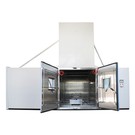

Hey there! As a supplier of dry ovens, I often get asked about the temperature range of a typical dry oven. So, I thought I'd take a few minutes to break it down for you.


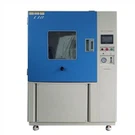
First off, let's talk about what a dry oven is and what it's used for. A dry oven is a piece of equipment that uses heat to remove moisture from a sample or product. It's commonly used in industries like pharmaceuticals, food processing, electronics, and materials testing. You can use it to dry out samples before further analysis, cure coatings, or sterilize equipment.
Now, the temperature range of a typical dry oven can vary quite a bit depending on its design and intended use. Generally speaking, most dry ovens can reach temperatures anywhere from around 50°C to 300°C. But some specialized models can go even higher or lower.
Low - end Temperature Range
On the lower end of the spectrum, a temperature range of 50°C - 100°C is often used for gentle drying processes. For example, in the food industry, you might use a dry oven in this temperature range to dehydrate fruits or vegetables. This slow and gentle process helps to preserve the flavor, color, and nutritional value of the food. In the pharmaceutical industry, it can be used to dry out sensitive drugs or compounds that could be damaged by higher temperatures.
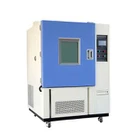
If you're looking for equipment that can handle lower temperatures more precisely, you might be interested in our Low Temperature Chamber. It's designed to maintain a stable low - temperature environment, which is great for applications where you need to control the drying process very carefully.
Mid - range Temperature Range
The mid - range, typically from 100°C to 200°C, is where a lot of common drying and curing processes take place. In the electronics industry, this temperature range is used to dry out printed circuit boards (PCBs) after they've been washed. The heat helps to remove any residual moisture that could cause corrosion or short - circuits. In the materials testing field, it can be used to cure adhesives or resins, making them stronger and more durable.
High - end Temperature Range
For the high - end, from 200°C to 300°C or even higher, these dry ovens are used for more extreme applications. In the ceramics industry, high - temperature dry ovens are used to fire clay objects, transforming them into hard, durable pieces. In the metallurgy field, they can be used to anneal metals, which changes their physical properties and makes them more malleable.
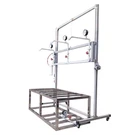
If you need a dry oven that can handle high - temperature and also has vibration testing capabilities, our AGREE Vibration Test Chamber might be the right choice for you. It combines high - temperature drying with vibration testing, which is useful for simulating real - world conditions and ensuring the reliability of your products.
Another important aspect to consider when it comes to the temperature range of a dry oven is the temperature uniformity. You want a dry oven that can maintain a consistent temperature throughout the chamber. This is crucial for ensuring that all parts of your sample or product are dried or cured evenly. Our dry ovens are designed with advanced heating and ventilation systems to ensure excellent temperature uniformity.
When you're choosing a dry oven, it's also important to think about the size of the chamber. If you have large samples or need to process a high volume of products, you'll need a bigger oven. But if you only have small samples, a smaller, more compact oven will do the job and save you space and energy.
In addition to the basic temperature range, some dry ovens also come with features like programmable temperature settings. This allows you to set a specific temperature profile over time, which can be very useful for complex drying or curing processes. For example, you might want to start at a lower temperature to gently remove surface moisture and then gradually increase the temperature to complete the drying process.
If you're involved in aging tests that require both temperature and humidity control, our Temperature Humidity Aging Test Equipment could be a great addition to your lab or production line. It can simulate different environmental conditions to test the long - term performance of your products.
So, to sum it up, the temperature range of a typical dry oven can vary from around 50°C to 300°C, but it really depends on your specific needs. Whether you're in the food, pharmaceutical, electronics, or any other industry, there's a dry oven out there that's right for you.
If you're interested in learning more about our dry ovens or have any questions about which one is best for your application, don't hesitate to reach out. We're here to help you find the perfect solution for your drying and curing needs. Let's start a conversation and see how we can work together to improve your production processes.
References
- "Industrial Ovens: Principles and Applications" by John Doe
- "Handbook of Food Dehydration" by Jane Smith
- "Electronics Manufacturing Processes" by Tom Brown