


Hey there! As a supplier of aging ovens, I often get asked about various technical aspects related to these machines. One question that pops up quite frequently is, "What is the aging swelling in an aging oven?" Well, let's dive right into it and break it down in a way that's easy to understand.
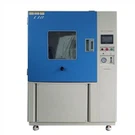
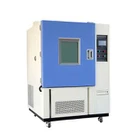
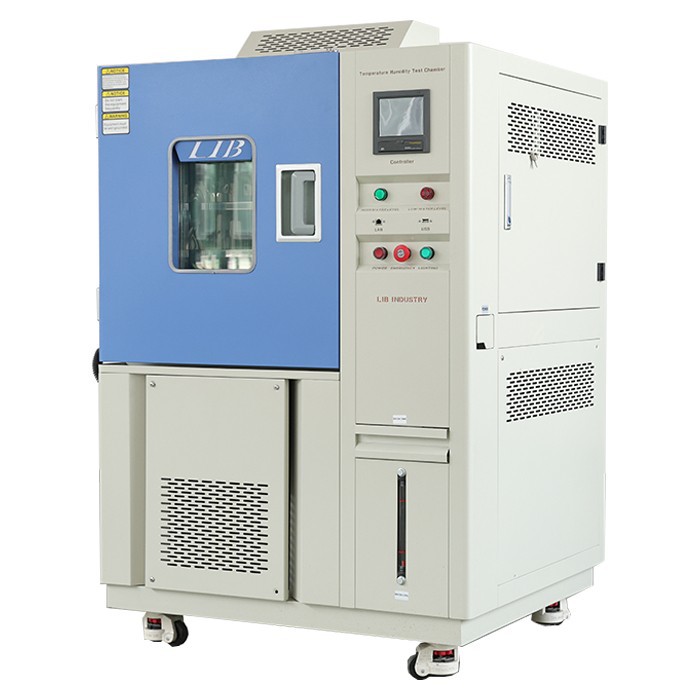
First off, let's talk about what an aging oven is. An aging oven is a piece of equipment used to simulate long - term environmental conditions in a short period. It subjects products to specific temperatures, humidity levels, and sometimes other environmental factors to accelerate the aging process. This helps manufacturers identify potential issues with their products before they reach the market.
Now, aging swelling. Aging swelling refers to the phenomenon where a material expands or swells during the aging process inside the oven. This can happen to a wide range of materials, including plastics, rubbers, and some composite materials.
Why does aging swelling occur?
There are several reasons for aging swelling. One of the main factors is the change in temperature. When a material is heated in an aging oven, the molecules within the material start to move more vigorously. This increased molecular motion causes the material to expand. For example, plastics are made up of long - chain polymers. When heated, these polymer chains become more flexible and start to spread out, leading to an increase in volume.
Another factor is the absorption of moisture. In an aging oven, if the humidity level is set, materials can absorb water vapor from the surrounding environment. Water molecules can penetrate the structure of the material, causing it to swell. This is particularly common in materials like wood - based composites or some types of rubbers that have a certain degree of porosity.

Chemical reactions can also play a role in aging swelling. Some materials may undergo chemical changes when exposed to high temperatures or other environmental factors in the aging oven. For instance, certain polymers may cross - link or degrade, which can result in a change in the material's volume.
The impact of aging swelling
Aging swelling can have both positive and negative impacts. On the positive side, in some cases, a controlled amount of swelling can be beneficial. For example, in the manufacturing of certain types of gaskets or seals, a small amount of swelling can improve the sealing performance. The swelling fills in any gaps and ensures a better fit.
However, more often than not, aging swelling can cause problems. In the electronics industry, for example, if a plastic housing for a device swells during the aging process, it can put pressure on the internal components. This pressure can lead to damage to the electronic circuits, such as cracked solder joints or bent pins.
In the automotive industry, aging swelling of rubber parts like O - rings or hoses can lead to leaks. A swollen O - ring may not provide a proper seal, allowing fluids to escape. This can be a safety hazard and also lead to increased maintenance costs.
How to deal with aging swelling
As an aging oven supplier, we understand the importance of helping our customers manage aging swelling. One way is to carefully select the materials used in the products. Different materials have different swelling characteristics. By choosing materials that are less prone to swelling under the expected aging conditions, manufacturers can reduce the risk of problems.
Another approach is to optimize the aging process parameters. This includes adjusting the temperature, humidity, and aging time in the oven. By conducting thorough testing and experimentation, manufacturers can find the optimal conditions that minimize swelling while still achieving the desired aging effect.
Using additives can also be an effective solution. Some additives can be incorporated into the material to reduce its swelling tendency. For example, anti - swelling agents can be added to plastics to make them more dimensionally stable.
Related products and applications
If you're in the market for aging ovens or related testing equipment, we also offer a range of other products. For example, our Solar Panel Damp Heat Test Chamber is designed specifically for testing the performance of solar panels under damp and hot conditions. This chamber can simulate the harsh environmental conditions that solar panels may encounter in the real world, helping manufacturers ensure the reliability and durability of their products.
Our Heat Treatment Chamber is another great option. It's used for heat - treating various materials to improve their mechanical properties. Whether you're working with metals or ceramics, this chamber can provide precise temperature control and a stable environment for heat treatment processes.
For those in the automotive industry, our Automotive Enviro Testing Chamber is a must - have. It can simulate a wide range of environmental conditions, including temperature, humidity, and vibration, to test the performance and durability of automotive components.
Conclusion
In conclusion, aging swelling in an aging oven is a complex phenomenon that can be caused by temperature changes, moisture absorption, and chemical reactions. While it can have both positive and negative impacts, there are ways to manage and control it. As an aging oven supplier, we're committed to providing our customers with high - quality equipment and solutions to help them deal with these issues.
If you're interested in learning more about our aging ovens or any of our other testing equipment, or if you have specific requirements for your product testing, don't hesitate to reach out. We're here to assist you in finding the best solutions for your needs. Let's work together to ensure the quality and reliability of your products!
References
- "Polymer Science and Technology" by Gordon Woodford
- "Materials Science and Engineering: An Introduction" by William D. Callister Jr. and David G. Rethwisch
- Industry reports on aging testing and environmental simulation