In modern product validation, speed is not just a convenience-it directly impacts development cycles, certification timelines, and market competitiveness. Whether you are testing automotive electronics, telecom devices, or industrial components, the ability to quickly transition between extreme temperatures determines how efficiently you can simulate real-world stress.
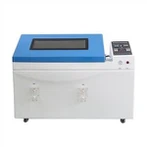
A recent update from a Mexican customer testing rubber materials using a LIB Heat, Cold, and Humidity Chamberhighlights this reliability in real applications. As they shared: "Until now the chamber has been working without any problem. Could you please quote & describe the regular maintenance checklist?" This feedback not only confirms stable performance but also emphasizes the importance of routine maintenance in ensuring long-term accuracy and durability.
This article explains what the heating and cooling rate of a heat, cold, and humidity chamber is, how it affects testing performance, how to maintain the system properly, and how LIB chambers meet international standards with precise and repeatable results.
Heating and Cooling Rate of a Heat, Cold, and Humidity Chamber
1. Heating Rate: Fast and Controlled Temperature Rise
A typical chamber heating rate is 1 °C/min to 5 °C/min, with LIB systems achieving up to 3 °C/min under standard load conditions. This allows rapid transitions from ambient to high temperatures such as +85 °C or +150 °C.
Applications & Standards:
IEC 60068-2-2 (Dry Heat): +125 °C for component endurance testing
JEDEC JESD22-A103: High-temperature operating life (HTOL)
AEC-Q100 / AEC-Q200: Automotive-grade component validation
A stable heating rate ensures components are not exposed to thermal overshoot, which could distort test results or damage sensitive electronics.
2. Cooling Rate: Efficient and Stable Temperature Drop
Cooling rates typically range from 0 °C/min to 2 °C/min, with LIB chambers delivering around 1 °C/min using cascade refrigeration systems. This allows controlled cooling down to –40 °C or even –70 °C.
Applications & Standards:
IEC 60068-2-1 (Cold Test): –40 °C exposure
MIL-STD-202 Method 107: Low-temperature cycling
AEC-Q200: Cold storage and operational reliability
Stable cooling avoids thermal shock errors and ensures consistent stress across all samples.
3. Combined Thermal Cycling Performance
The true value of heating and cooling rates appears in thermal cycling tests, where chambers repeatedly transition between extremes.
Typical cycle example:
① From –40 °C to +85 °C within 45 minutes
② Holding time: 10–30 minutes at each extreme
③ Repeat cycles: up to 1000 cycles
Applications & Standards:
IEC 60068-2-14: Temperature change testing
JEDEC JESD22-A104: Thermal cycling for semiconductors
AEC-Q200: Passive component reliability
Fast yet controlled ramp rates reduce total test time while maintaining accuracy and repeatability.
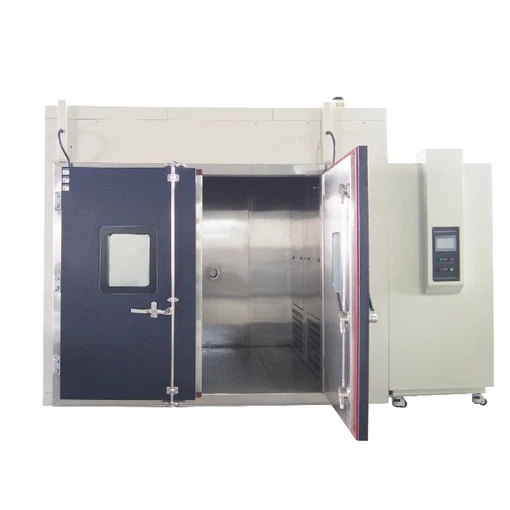
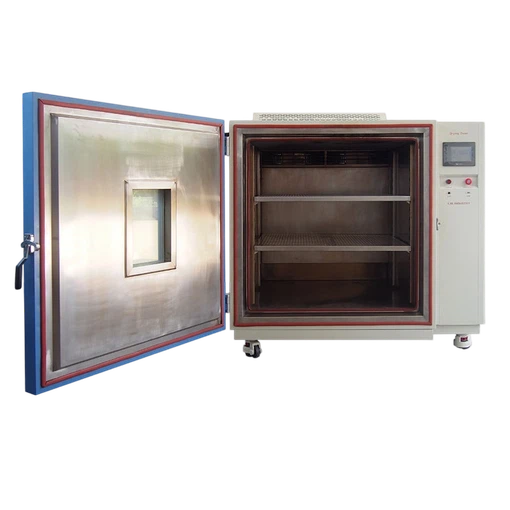


LIB Heat, Cold, and Humidity Chamber Maintenance Guide
To maintain stable heating and cooling rates, regular maintenance is essential: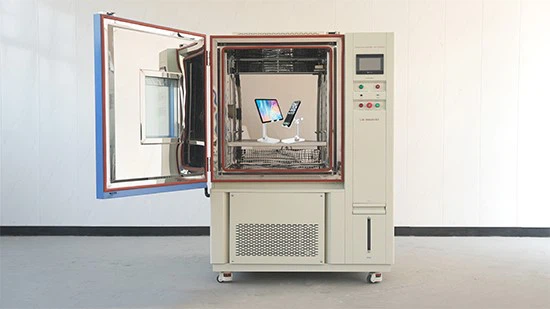
1. Heating System
Check heating strips every 6 months. Ensure wiring is intact and replace damaged elements. Inspect circulation fans for noise or imbalance to maintain airflow uniformity.
2. Cooling System
Clean condensers and compressors using pressurized air. Monitor pressure gauge levels:
state: 5–15 bar
Running state: 12–25 bar
Low pressure indicates insufficient refrigerant or leakage.
3. Humidification System
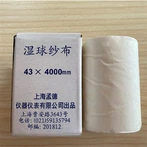
Clean humidifier and water tank monthly. Replace wet wick if discolored or moldy. Ensure water filters are replaced every 6 months to maintain humidity accuracy.
4. Electrical System
Inspect relays, contactors, and circuit boards. Tighten connections and remove dust to prevent system instability.
Routine maintenance ensures consistent ramp rates, prevents downtime, and extends equipment lifespan.
Standard Testing with LIB Heat, Cold, and Humidity Chamber
Standard: IEC 60068-2-14 Thermal Cycling Test
Test Requirements:
Temperature range: –40 °C to +85 °C
Heating rate: 2–3 °C/min
Cooling rate: 1 °C/min
Dwell time: 10–30 minutes
Cycles: 100 to 1000
This test evaluates material expansion, solder fatigue, and structural durability under repeated temperature changes.
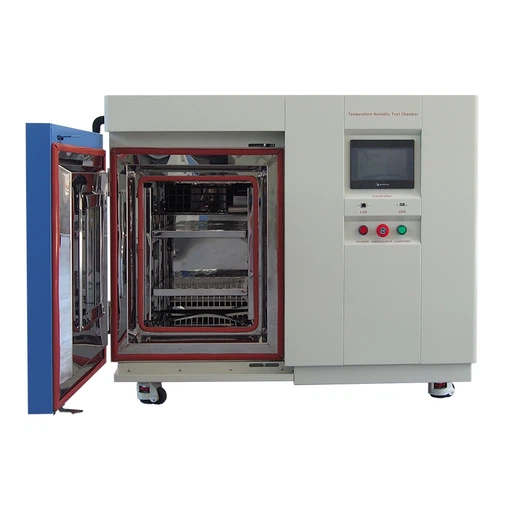
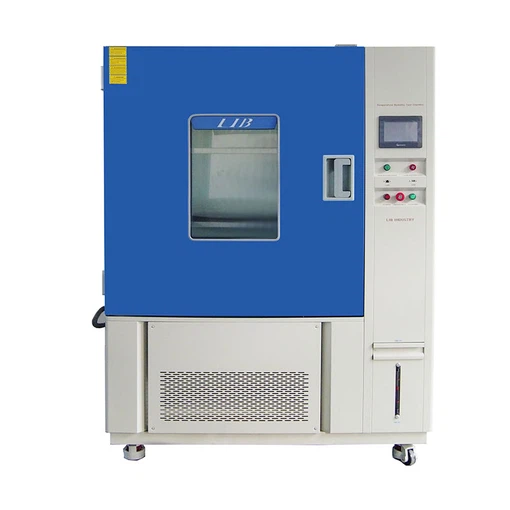
LIB Heat, Cold, and Humidity Chamber Model Example
|
|
Name | Heat, Cold, and Humidity Chamber | ||||
|
Model |
TH-100 |
|||||
|
Internal dimension (mm) |
400*500*500 |
|||||
|
Overall dimension (mm) |
860*1050*1620 |
|||||
|
Capacity |
100L |
|||||
|
Temperature range |
-20℃ ~+150 ℃ |
|||||
|
Low type |
A: -40℃ B:-70℃ C -86℃ |
|||||
|
Humidity Range |
20%-98%RH |
|||||
|
Temperature deviation |
± 2.0 ℃ |
|||||
|
Heating rate |
3 ℃ / min |
|||||
|
Cooling rate |
1 ℃ / min |
|||||
|
Controller |
Programmable color LCD touch screen controller, Multi-language interface, Ethernet , USB |
|||||
|
Refrigerant |
R404A, R23 |
|||||
|
Exterior material |
Steel Plate with protective coating |
|||||
|
Interior material |
SUS304 stainless steel |
|||||
|
Standard configuration |
1 Cable hole (Φ 50) with plug; 2 shelves |
|||||
|
Timing Function |
0.1~999.9 (S,M,H) settable |
|||||

|
|
|
|
|
|
| Robust Workroom | Cable Hole | Temperature and Humidity Sensor | PID controller |


The TH-225 completes a full –40 °C to +85 °C cycle in under 45 minutes, meeting IEC and JEDEC requirements.
LIB Heat, Cold, and Humidity Chamber Advantages
1. Precise Temperature Control
Maintains ±0.5 °C stability for reliable and repeatable results.
2. Fast Thermal Transition
Optimized ramp rates reduce total test duration significantly.
3. Programmable Profiles
Stores up to 120 programs with 100 steps each for complex testing.
4. Stable Long-Term Operation
Designed for continuous cycling without performance drift.
FAQs on the LIB Heat, Cold, and Humidity Chamber
Q1: How long does delivery take?
Standard models are delivered within 15–20 working days. Customized systems may require an additional 7–10 days.
Q2: What after-sales service is provided?
LIB offers a 3-year warranty, lifetime technical support, and 24/7 remote assistance. Spare parts are delivered globally within 7–15 days.
Q3: How is the chamber transported?
All units are packed in reinforced wooden crates with shock protection, ensuring safe international shipping.
Q4: Is installation complicated?
No. The chamber is pre-assembled and can be installed within 2 hours using standard power and water connections.
The heating and cooling rate of a heat, cold, and humidity chamber is not just a specification-it directly determines test efficiency, accuracy, and reliability. With precise control, compliance with IEC, JEDEC, and other standards, and robust system design, LIB chambers provide the performance engineers need for modern environmental testing.
Contact LIB Industry today to request a quotation, explore customized solutions, or improve your environmental testing efficiency with a high-performance chamber.