


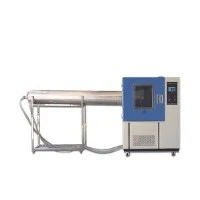
Hey there! As a supplier of cold rooms, I often get asked if a cold room can be used for storing bakery products. Well, the short answer is yes, but there's a lot more to it than just that. In this blog, I'll dive deep into the ins and outs of using a cold room for bakery product storage, sharing some scientific facts and practical tips along the way.
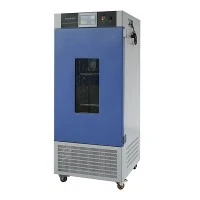
Let's start with the basics. Bakery products, such as bread, cakes, pastries, and cookies, are perishable items. They contain ingredients like flour, sugar, eggs, and dairy, which can spoil quickly if not stored properly. That's where a cold room comes in handy. A cold room, also known as a walk - in cooler, is a large refrigerated space that can maintain a low and consistent temperature.
The ideal temperature for storing most bakery products is between 0°C and 5°C (32°F - 41°F). At this temperature range, the growth of bacteria, mold, and yeast is significantly slowed down. Bacteria, for example, thrive in warmer temperatures. When the temperature drops below 5°C, their metabolic processes slow down, and they reproduce at a much lower rate. This means that your bakery products will stay fresh for a longer period.
But it's not just about the temperature. Humidity also plays a crucial role. Most bakery products need a relative humidity of around 60% - 70%. If the humidity is too low, the products can dry out. You've probably seen a loaf of bread that's been sitting out for too long - it gets hard and crusty on the outside and loses its soft, moist texture inside. On the other hand, if the humidity is too high, mold can start to grow on the products.
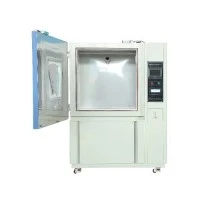
Now, let's talk about the types of cold rooms available. We offer different kinds of cold rooms, including Walk In Chambers. These are large, customizable spaces that can be tailored to your specific needs. Whether you're a small bakery or a large commercial operation, there's a walk - in chamber that can fit your requirements.
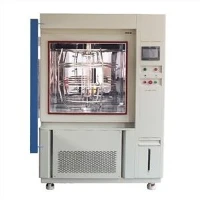
If you're looking for a cold room that can simulate different environmental conditions for testing purposes, we also have Walk In Environmental Test Chamber. This type of chamber is great for bakeries that want to test how their products hold up under various temperature and humidity conditions before they hit the market.


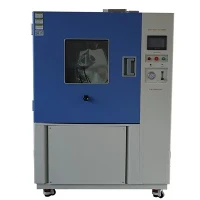
Another option is the Walk in Stability Chamber. This chamber is designed to maintain a stable environment, which is essential for long - term storage of bakery products. It can help you ensure that your products remain consistent in quality over time.
When using a cold room for bakery product storage, there are some best practices to follow. First, make sure to organize your products properly. Use shelves and racks to keep the products off the floor and allow for proper air circulation. This helps to maintain a uniform temperature throughout the cold room.
Second, label your products clearly. Include the date of production and the expiration date. This way, you can easily keep track of which products need to be used first. It's also a good idea to have a first - in, first - out (FIFO) system in place. This means that the products that were put into the cold room first are the ones that get used or sold first.
Third, regularly clean and maintain your cold room. Wipe down the shelves and walls to remove any spills or debris. Check the temperature and humidity sensors regularly to make sure they're working correctly. A dirty or malfunctioning cold room can lead to spoilage of your bakery products.
Now, let's address some potential challenges. One of the main challenges is energy consumption. Cold rooms use a significant amount of energy to maintain the low temperature. To reduce energy costs, you can invest in energy - efficient cold room systems. These systems are designed to use less electricity while still providing the same level of cooling.
Another challenge is the risk of cross - contamination. If you store different types of bakery products in the same cold room, there's a chance that the flavors and odors can mix. To prevent this, you can use separate storage areas or containers for different products.
In conclusion, a cold room can definitely be used for storing bakery products. It provides a controlled environment that helps to extend the shelf life of your products and maintain their quality. Whether you're a small - scale baker or a large - scale producer, having a proper cold room is essential for your business.
If you're interested in learning more about our cold room solutions or are thinking about purchasing one for your bakery, don't hesitate to reach out. We're here to help you find the perfect cold room for your needs and ensure that your bakery products are stored in the best possible conditions.
References
- "Food Microbiology: An Introduction" by Michael P. Doyle and Larry R. Beuchat.
- "Refrigeration and Air - Conditioning Technology" by Eugene Silberstein.