


MIL-STD-810G, a military standard developed by the United States Department of Defense, is a comprehensive guideline for testing equipment to ensure its reliability and performance under various environmental conditions. As a supplier of MIL-STD-810G compliant products, I have witnessed firsthand how this standard plays a crucial role in guaranteeing product maintainability. In this blog post, I will delve into the ways in which MIL-STD-810G ensures product maintainability and why it is essential for businesses and military applications alike.
Understanding MIL-STD-810G
Before we explore how MIL-STD-810G ensures product maintainability, it is important to understand what this standard entails. MIL-STD-810G provides a set of test methods and procedures to evaluate the environmental adaptability of military equipment. These tests cover a wide range of environmental factors, including temperature, humidity, altitude, vibration, shock, and sand and dust exposure. By subjecting equipment to these tests, manufacturers can identify potential weaknesses and make necessary improvements to enhance the product's durability and reliability.
Ensuring Design for Maintainability
One of the key ways in which MIL-STD-810G ensures product maintainability is by promoting design for maintainability (DFM). DFM is a design approach that focuses on making products easy to maintain, repair, and upgrade. MIL-STD-810G encourages manufacturers to consider maintainability from the early stages of product development, ensuring that the design allows for easy access to components, clear labeling, and standardized interfaces.
For example, when designing a piece of equipment that will be used in a military environment, the manufacturer must consider how the equipment will be maintained in the field. This may involve designing the equipment with modular components that can be easily replaced, or providing clear instructions and diagrams for maintenance procedures. By incorporating DFM principles into the design, manufacturers can reduce the time and cost required for maintenance, as well as minimize the risk of downtime due to equipment failure.
Testing for Environmental Resistance
Another important aspect of MIL-STD-810G is its focus on testing for environmental resistance. The standard includes a series of tests to evaluate how equipment performs under various environmental conditions, such as extreme temperatures, high humidity, and exposure to sand and dust. By subjecting equipment to these tests, manufacturers can ensure that the product is capable of withstanding the harsh conditions it may encounter in the field.
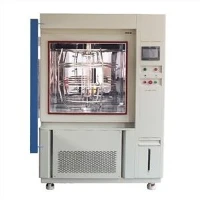
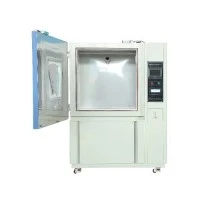
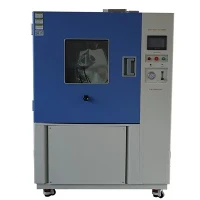
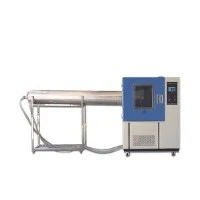
For instance, the sand and dust tests in MIL-STD-810G simulate the effects of exposure to blowing sand and dust, which can cause damage to equipment by clogging filters, abrasion, and corrosion. By using specialized testing equipment such as Dust Environmnetal Chamber, Sand And Dust Environmental Chamber, and Dust Climatic Chambers, manufacturers can accurately evaluate the performance of their equipment in these conditions. This allows them to identify any potential weaknesses and make necessary improvements to enhance the product's environmental resistance.
Providing Clear Maintenance Instructions
In addition to promoting DFM and testing for environmental resistance, MIL-STD-810G also requires manufacturers to provide clear maintenance instructions for their products. These instructions should include detailed information on how to perform routine maintenance tasks, such as cleaning, lubrication, and inspection, as well as how to troubleshoot and repair common problems.
By providing clear and comprehensive maintenance instructions, manufacturers can ensure that users are able to properly maintain their equipment, reducing the risk of equipment failure and extending the product's lifespan. This is particularly important in military applications, where equipment must be able to operate reliably in challenging environments with limited access to maintenance facilities.
Training and Support
Finally, MIL-STD-810G emphasizes the importance of training and support for users of military equipment. Manufacturers are required to provide training on how to operate and maintain their products, as well as ongoing technical support to address any issues that may arise.
By providing training and support, manufacturers can ensure that users are able to make the most of their equipment and are able to perform maintenance tasks safely and effectively. This not only helps to improve the reliability and performance of the equipment but also reduces the risk of accidents and injuries due to improper use or maintenance.


Conclusion
In conclusion, MIL-STD-810G plays a vital role in ensuring product maintainability by promoting design for maintainability, testing for environmental resistance, providing clear maintenance instructions, and offering training and support. As a supplier of MIL-STD-810G compliant products, I understand the importance of these factors in delivering high-quality, reliable equipment that meets the needs of military and commercial customers.
If you are in the market for MIL-STD-810G compliant products or have any questions about how this standard can benefit your business, I encourage you to contact us to discuss your requirements. Our team of experts is ready to assist you in finding the right solutions for your specific needs.
References
- MIL-STD-810G, "Environmental Engineering Considerations and Laboratory Tests"
- Design for Maintainability: Principles and Practices, by John A. Dobrovolny
- Environmental Testing for Military and Aerospace Applications, by John A. Dobrovolny