


Hey there! As a supplier of MIL - STD - 810G solutions, I often get asked about the differences between MIL - STD - 810G and MIL - HDBK - 310. So, I thought I'd write this blog to break it down for you.
First off, let's talk a bit about what these two things are. MIL - STD - 810G is a military standard. It's basically a set of test methods and procedures that are used to figure out how well military equipment can stand up to different environmental conditions. This standard helps make sure that the gear can work properly in tough situations like extreme temperatures, high - altitude conditions, and even exposure to dust and sand.
On the other hand, MIL - HDBK - 310 is a handbook. It's more like a guidebook that gives you a bunch of info on how to test equipment in a way that's based on real - world environmental data. It's all about using the data to design and carry out tests that are more representative of what the equipment will actually face out in the field.
Test Approach
One of the biggest differences between MIL - STD - 810G and MIL - HDBK - 310 is their test approach. MIL - STD - 810G has a pretty prescriptive set of test methods. It tells you exactly what tests to do, how to do them, and what the test conditions should be. For example, when it comes to dust testing, it gives specific details on the type of dust to use, the duration of the test, and the airflow rate inside the test chamber.
MIL - HDBK - 310, however, takes a more data - driven approach. It focuses on using environmental data to customize the tests. Instead of having a one - size - fits - all set of test conditions, it allows you to adjust the tests based on where the equipment will be used. So, if your equipment is going to be used in a desert environment, you can use the data from that area to design a dust test that's more relevant.
Dust Testing
Let's dig a bit deeper into dust testing, which is a crucial part of both standards. In MIL - STD - 810G, dust testing is done to simulate the effects of dust on military equipment. There are specific test methods for different types of dust exposure, like blowing dust and settling dust.


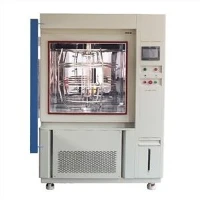
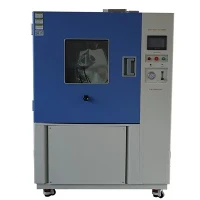
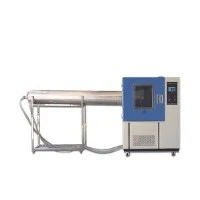
For blowing dust tests, you need to use a Bowing Dust Test Chamber. This chamber is designed to create a high - velocity airflow that blows dust onto the equipment being tested. The goal is to see how well the equipment can resist the ingress of dust particles under these high - energy conditions.
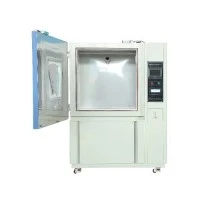
Settling dust tests, on the other hand, use a Settling Dust Chamber. In this case, the dust settles slowly onto the equipment, simulating a more long - term exposure to dust in a less - turbulent environment.
MIL - HDBK - 310, when it comes to dust testing, uses environmental data to determine the appropriate dust characteristics and exposure levels. For example, if the data shows that a particular area has a high concentration of fine dust particles, the test can be designed to use a similar type of dust. It also allows for more flexibility in terms of the test duration and the way the dust is introduced to the equipment.
Equipment Design and Testing Flexibility
MIL - STD - 810G is great for ensuring a baseline level of environmental resistance for military equipment. It provides a common set of tests that all equipment must pass, which helps in standardizing the quality and performance of the gear. However, this can sometimes limit the design flexibility of the equipment. Since the tests are so prescriptive, manufacturers may feel pressured to design their products in a way that simply meets the minimum requirements of the standard.
MIL - HDBK - 310, with its data - driven approach, offers more flexibility in equipment design and testing. Manufacturers can use the environmental data to design equipment that is better suited to the specific conditions it will face. This can lead to more innovative designs and better - performing equipment. For example, if the data shows that a certain region has a lot of salt - laden dust, the equipment can be designed with special coatings or seals to better resist corrosion.
Documentation and Reporting
Another difference lies in the documentation and reporting requirements. MIL - STD - 810G has strict documentation requirements. You need to document every step of the testing process, including the test setup, the test conditions, and the test results. This documentation is important for ensuring that the tests are repeatable and that the equipment meets the standard.
MIL - HDBK - 310 also requires documentation, but it's more focused on documenting the environmental data used in the test design and how the tests were customized based on that data. The reporting is more about showing how the test results are relevant to the real - world conditions the equipment will face.
Cost and Time Considerations
From a cost and time perspective, MIL - STD - 810G can be more straightforward. Since the test methods are well - defined, it's easier to estimate the cost and time required for testing. You know exactly what tests need to be done, and you can plan accordingly.
MIL - HDBK - 310, on the other hand, can be more time - consuming and costly. Gathering and analyzing the environmental data takes time and resources. Additionally, the customized testing may require more specialized equipment and expertise. However, in the long run, the investment in MIL - HDBK - 310 testing can pay off by resulting in more reliable and better - performing equipment.
Which One Should You Choose?
So, which standard should you go for? Well, it depends on your specific needs. If you're looking for a quick and standardized way to test your equipment for environmental resistance, MIL - STD - 810G is a good choice. It's widely recognized and accepted in the military and defense industry.
If you have the time and resources, and you want to design and test your equipment based on real - world environmental conditions, then MIL - HDBK - 310 might be the better option. It can lead to equipment that is more tailored to the specific environments it will operate in.
As a MIL - STD - 810G supplier, I have a lot of experience in helping customers navigate these standards. Whether you're interested in dust testing chambers like the IP5x Dust Resistance Chamber or need help with the overall testing process, I'm here to assist you.
If you're in the market for MIL - STD - 810G testing solutions or want to learn more about the differences between these two standards, don't hesitate to reach out. We can have a chat about your specific requirements and figure out the best approach for your equipment.
References
- Military Standard MIL - STD - 810G, Department of Defense.
- Military Handbook MIL - HDBK - 310, Department of Defense.