

Can a fadeometer test the fading of curtains?
As a fadeometer supplier, I am often asked whether our equipment can effectively test the fading of curtains. This question is not only relevant to curtain manufacturers and interior designers but also to consumers who want to ensure the longevity and colorfastness of their window treatments. In this blog post, I will delve into the science behind fadeometer testing and explain how it can be used to evaluate the fading of curtains.
Understanding Fading in Curtains
Curtains are exposed to various environmental factors that can cause them to fade over time. The primary culprit is sunlight, which contains ultraviolet (UV) radiation, visible light, and infrared radiation. UV radiation is particularly damaging because it can break down the chemical bonds in dyes and pigments, causing them to lose their color. Other factors that can contribute to fading include heat, humidity, and air pollution.
The fading of curtains is not only a cosmetic issue but can also affect their functionality. For example, faded curtains may not provide as much privacy or light control as they did when they were new. Additionally, the color change can be inconsistent, resulting in a patchy or uneven appearance.

How Fadeometers Work
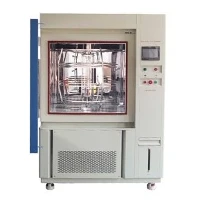
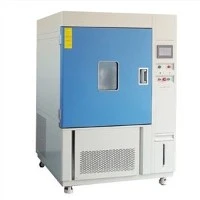
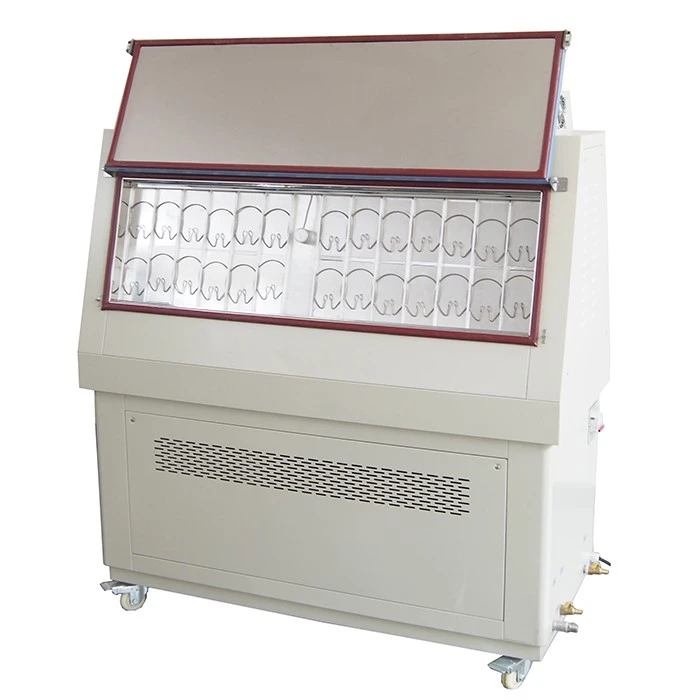
A fadeometer, also known as a light fastness tester, is a device that simulates the effects of sunlight and other environmental factors on materials. It uses a light source, such as a xenon arc lamp, to emit a spectrum of light that closely resembles natural sunlight. The test specimens, in this case, curtains, are placed inside the fadeometer and exposed to the light for a specified period of time.
During the test, the fadeometer monitors the color change of the curtains using a colorimeter or spectrophotometer. These instruments measure the reflectance or transmittance of light at different wavelengths, allowing for accurate quantification of the color change. The results are typically expressed as a delta E value, which represents the total color difference between the original and faded specimens.
Testing the Fading of Curtains
To test the fading of curtains using a fadeometer, the following steps are typically involved:
- Sample Preparation: Cut representative samples of the curtains to be tested. The samples should be of a consistent size and shape and should include all the colors and patterns present in the curtains.
- Test Setup: Place the samples inside the fadeometer and set the test conditions, such as the light intensity, temperature, and humidity. The test conditions should be based on the intended use of the curtains and the environmental conditions they are likely to be exposed to.
- Test Execution: Start the fadeometer and run the test for the specified period of time. During the test, monitor the color change of the samples at regular intervals using a colorimeter or spectrophotometer.
- Result Analysis: At the end of the test, remove the samples from the fadeometer and compare their color to the original samples. Calculate the delta E value for each sample and determine whether the fading is within acceptable limits.
Benefits of Fadeometer Testing for Curtains
Fadeometer testing offers several benefits for curtain manufacturers, interior designers, and consumers:
- Quality Control: By testing the fading of curtains before they are released to the market, manufacturers can ensure that their products meet the required quality standards. This can help to reduce customer complaints and returns and improve the reputation of the brand.
- Product Development: Fadeometer testing can be used to evaluate the performance of different dyes, pigments, and fabric treatments. This can help manufacturers to develop new and improved curtain products that are more resistant to fading.
- Consumer Confidence: For consumers, fadeometer testing provides assurance that the curtains they are purchasing will maintain their color and appearance over time. This can help to increase consumer confidence and satisfaction.
Our Fadeometer Products
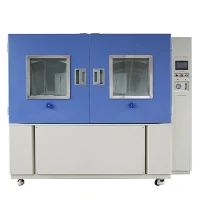
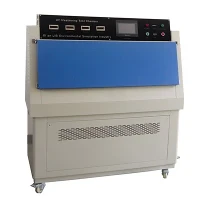
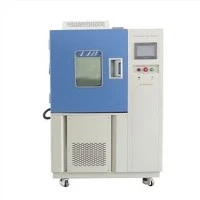
As a fadeometer supplier, we offer a range of high-quality fadeometers that are suitable for testing the fading of curtains and other materials. Our products include Xenon Light Fastness Chamber, Weathering Test Machine, and UV Aging Device.
Our fadeometers are designed to provide accurate and reliable test results, and they are equipped with advanced features such as programmable controllers, automatic data logging, and remote monitoring. We also offer comprehensive technical support and training to ensure that our customers can use our products effectively.
Contact Us for Fadeometer Solutions
If you are interested in testing the fading of curtains or other materials, we would be happy to help. Our team of experts can provide you with detailed information about our fadeometer products and services and can assist you in selecting the right solution for your needs.
To learn more about our fadeometers or to request a quote, please contact us today. We look forward to hearing from you and helping you to ensure the colorfastness and durability of your curtains.
References
- ASTM International. (2021). Standard Practice for Operating a Xenon-Arc Light Apparatus for Exposure of Nonmetallic Materials. ASTM G155-19.
- ISO. (2019). Textiles - Tests for Colour Fastness - Part B02: Colour Fastness to Artificial Light: Xenon Arc Lamp Test. ISO 105-B02:2019.
- AATCC. (2021). Colorfastness to Light: Xenon-Arc Lamp Method. AATCC Test Method 16-2021.