



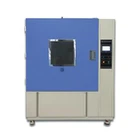


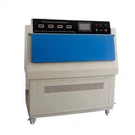
Yo, folks! I'm running an IPX4 test service, and I often get this question: Can a product pass the IPX4 test if it has a small leak? Let's dig into this and break it down in a way that's easy to understand.
First off, what's the IPX4 test all about? The IP (Ingress Protection) code system is used to define the levels of sealing effectiveness of electrical enclosures against intrusion from foreign bodies (like dust) and moisture. The "X" in IPX4 means there's no protection rating for dust, and the "4" indicates protection against splashing water from any direction.
When we conduct an IPX4 test, we use specific equipment to simulate splashing water. For instance, we might use an IPX3 Rain Spray Head which can give us a good idea of how well a product can handle water splashes. The test involves spraying water at the product from different angles and for a set period of time.
Now, let's talk about that small leak. A small leak can be a tricky thing. In the IPX4 test, the main goal is to ensure that the product can withstand splashing water without any harmful effects. Harmful effects could mean things like water getting inside the product and causing short - circuits, corrosion, or other malfunctions.
If a product has a small leak, it depends on a few factors whether it can pass the test. One factor is the location of the leak. If the leak is in an area where water getting in won't cause any damage to the critical components of the product, it might still pass. For example, if the leak is in a part of the casing that doesn't lead to any electrical connections or sensitive parts, the product could potentially function normally even with a little water seepage.
Another factor is the rate of the leak. A very slow leak might not cause enough water to accumulate inside the product during the test period to cause problems. However, if the leak is a bit faster, it could lead to water building up and causing issues.


Let's say we're testing a smartwatch. Smartwatches are becoming really popular, and they need to be able to handle a bit of water splashing, like when you wash your hands. If there's a small leak in the watch's casing, but it's on the outer edge and the water doesn't reach the internal electronics, it might pass the IPX4 test. But if the leak is near the charging port or the display connection, it's more likely to fail because water in those areas could cause the watch to stop working.
We also need to consider the long - term effects. Just because a product passes the IPX4 test with a small leak doesn't mean it will hold up over time. Water that seeps in, even in small amounts, can cause corrosion over a period of months or years. This could gradually degrade the product's performance and lead to failures down the line.
In some cases, manufacturers might think that a small leak is okay as long as the product functions during the test. But from a quality and reliability perspective, it's not ideal. A product that's supposed to be IPX4 - rated should be able to handle splashing water without any signs of water ingress.
When we're conducting the IPX4 test, we follow strict standards. We use calibrated equipment to make sure the water pressure and spray pattern are consistent. And we carefully inspect the product before and after the test. If we notice any signs of water inside the product that could cause problems, we mark it as a fail.
We also have other types of equipment that are relevant to water - related tests. The IPX5 Shower is used for a more severe test, where the product is exposed to a more forceful water spray. And the IP65 Testing Machine is used for tests that involve protection against dust as well as water jets.
So, to sum it up, a product with a small leak might pass the IPX4 test under certain circumstances, but it's a risky situation. It's better for manufacturers to aim for a product that has no leaks at all to ensure long - term reliability and customer satisfaction.
If you're a manufacturer looking to test your products for IPX4 or other IP ratings, we're here to help. We have the expertise and the right equipment to give you accurate and reliable test results. Whether you're making smartphones, wearables, or any other electronic devices, we can make sure your products meet the required standards. Reach out to us for a quote and let's start a conversation about your testing needs.
References
- International Electrotechnical Commission (IEC) standards for IP ratings
- Industry reports on the effects of water ingress on electronic products