


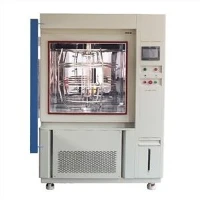
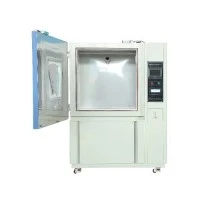
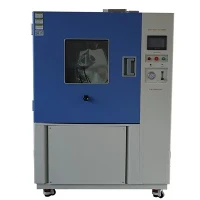
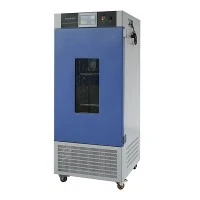
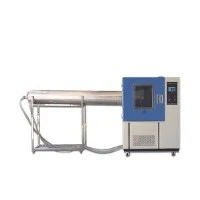
Hey there! As a supplier of test chambers, I've seen firsthand how crucial it is to keep these chambers stable. Whether you're testing products for temperature resistance, humidity tolerance, or other environmental factors, a stable test chamber is the key to accurate and reliable results. In this blog post, I'll share some tips on how to ensure the stability of a test chamber.
1. Proper Installation
The first step in ensuring the stability of a test chamber is proper installation. Make sure the chamber is placed on a flat and level surface. Uneven ground can cause the chamber to vibrate, which can affect the internal environment and the accuracy of your tests. Also, ensure that the chamber is installed in an area with good ventilation. Adequate airflow around the chamber helps in dissipating heat generated by the chamber's components, preventing overheating and maintaining a stable internal temperature.
2. Regular Maintenance
Regular maintenance is like giving your test chamber a health check - up. You should clean the chamber regularly to prevent the buildup of dust and debris. Dust can clog the air filters and vents, which can disrupt the airflow and temperature distribution inside the chamber. Replace the air filters as recommended by the manufacturer. A dirty filter can reduce the efficiency of the chamber's cooling and heating systems, leading to temperature fluctuations.
Check the seals around the chamber doors. Over time, these seals can wear out, allowing air to leak in or out. A good seal is essential for maintaining a consistent internal environment. If you notice any signs of wear or damage, replace the seals promptly.
Inspect the electrical components of the chamber. Loose connections or faulty wiring can cause electrical problems, which may affect the chamber's performance. Tighten any loose connections and replace any damaged components.
3. Calibration
Calibration is another important aspect of ensuring the stability of a test chamber. Over time, the sensors and controls in the chamber may drift, leading to inaccurate temperature and humidity readings. Regular calibration ensures that the chamber is operating within the specified tolerances.
You can use calibrated reference sensors to compare the readings of the chamber's sensors. If there are any discrepancies, adjust the chamber's controls accordingly. It's a good idea to have the chamber calibrated by a professional at least once a year.
4. Load Management
The load inside the test chamber can also affect its stability. Make sure you don't overload the chamber. Overloading can cause the chamber to work harder to maintain the desired temperature and humidity, leading to temperature fluctuations and reduced stability.
When placing items inside the chamber, ensure that they are evenly distributed. Uneven loading can create hot or cold spots inside the chamber, affecting the accuracy of your tests. Also, make sure there is enough space between the items to allow for proper airflow.
5. Software and Control System
Most modern test chambers come with advanced software and control systems. These systems allow you to set and monitor the temperature, humidity, and other environmental parameters. Make sure you understand how to use the software and control system properly.
Regularly update the software to the latest version. Software updates often include bug fixes and performance improvements, which can enhance the stability of the chamber. Also, use the system's logging and monitoring features to keep track of the chamber's performance over time. This can help you identify any potential issues before they become major problems.
6. Environmental Factors
The external environment can also have an impact on the stability of the test chamber. Try to keep the chamber in an area with a stable ambient temperature and humidity. Large fluctuations in the ambient environment can make it more difficult for the chamber to maintain a stable internal environment.
Avoid placing the chamber near sources of heat or cold, such as radiators, air - conditioning units, or windows. These can cause temperature gradients around the chamber, affecting its performance.
7. Training and Operator Knowledge
Proper training of the operators is essential for ensuring the stability of the test chamber. Operators should be familiar with the chamber's operation, maintenance procedures, and safety guidelines. They should know how to set up the chamber for different tests, how to monitor its performance, and how to troubleshoot common problems.
Provide regular training sessions for the operators to keep them updated on the latest best practices and technologies related to test chamber operation.
Related Test Chamber Equipment
If you're in the market for different types of test chambers, we've got you covered. Check out our Temperature Cycle Test Equipment, which is designed to simulate temperature changes over time. It's great for testing the durability of products under varying temperature conditions.
Our Solar Panel Test Equipment is specifically tailored for testing solar panels. It can simulate different sunlight intensities and environmental conditions to ensure the performance and reliability of solar panels.
And if you need a chamber for drying and climate - controlled storage, our Climatic Drying Chamber is a great option. It provides a stable environment for drying and storing various materials.
Conclusion
Ensuring the stability of a test chamber is a multi - faceted process that involves proper installation, regular maintenance, calibration, load management, and attention to environmental factors. By following these tips, you can keep your test chamber operating at its best, providing accurate and reliable results for your tests.


If you're interested in purchasing a test chamber or need more information about our products and services, don't hesitate to reach out. We're here to help you find the right solution for your testing needs.
References
- Manufacturer's manuals for test chambers
- Industry standards for test chamber operation and calibration
- Technical articles on test chamber stability and maintenance