

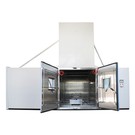

In the highly specialized and demanding field of aerospace engineering, the reliability and performance of components are non - negotiable. These components must withstand a wide range of environmental conditions, from the extreme cold of outer space to the intense heat generated during re - entry into the Earth's atmosphere. As a supplier of temperature chambers (temp chambers), I am often asked whether our temp chambers can be used for aerospace component testing. The answer is a resounding yes, and in this blog post, I will delve into the details of how temp chambers play a crucial role in this critical testing process.
The Harsh Environments of Aerospace
Aerospace components are exposed to some of the most extreme environments imaginable. During a space mission, for example, a satellite may experience temperatures ranging from - 270°C in the shadow of the Earth to over 120°C when directly exposed to the sun's radiation. Similarly, aircraft components need to function properly in a variety of weather conditions, from freezing temperatures at high altitudes to hot and humid conditions at ground level.
These extreme temperature variations can have a significant impact on the performance and durability of aerospace components. For instance, thermal expansion and contraction can cause materials to warp, crack, or lose their structural integrity. Electrical components may also experience changes in conductivity and performance due to temperature fluctuations. Therefore, it is essential to test these components under simulated aerospace environments to ensure their reliability and safety.
How Temp Chambers Simulate Aerospace Environments
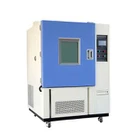
Temp chambers are designed to create controlled temperature and humidity conditions, making them ideal for simulating the harsh environments that aerospace components encounter. Our Thermal Cycling Climate Chamber is specifically engineered to provide rapid and precise temperature cycling, which is crucial for testing the thermal fatigue resistance of aerospace components.
The chamber can be programmed to replicate the exact temperature profiles that a component will experience during its operational life. For example, it can simulate the temperature changes that occur during a satellite's orbit around the Earth or the temperature variations during an aircraft's takeoff, flight, and landing. By subjecting the components to these realistic temperature cycles, engineers can identify potential failure points and make necessary design improvements.
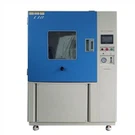
In addition to temperature cycling, our temp chambers can also control humidity levels. This is important because humidity can affect the performance of aerospace components, especially those made of materials that are sensitive to moisture. Our Temp RH Chamber allows for precise control of both temperature and relative humidity, enabling comprehensive testing of components in a variety of environmental conditions.


Types of Aerospace Component Testing with Temp Chambers
Material Testing
One of the primary uses of temp chambers in aerospace component testing is material testing. Different materials have different thermal properties, and it is essential to understand how these properties change under extreme temperature conditions. For example, carbon fiber composites are widely used in aerospace structures due to their high strength - to - weight ratio. However, these materials can be sensitive to temperature changes, and temp chambers can be used to test their mechanical properties, such as tensile strength and modulus, at different temperatures.
Electrical Component Testing
Electrical components are the backbone of modern aerospace systems, and their performance is highly dependent on temperature. Temp chambers can be used to test the electrical conductivity, insulation resistance, and other electrical properties of components such as circuit boards, sensors, and batteries. By exposing these components to extreme temperatures, engineers can ensure that they will function properly in the aerospace environment.
Aging Testing
Aging is a natural process that affects the performance and reliability of aerospace components over time. Our Dry Aging Machine can be used to accelerate the aging process by subjecting components to elevated temperatures for extended periods. This allows engineers to predict the long - term performance of components and estimate their service life.
Advantages of Using Temp Chambers for Aerospace Component Testing
Cost - Effectiveness
Testing aerospace components in real - world environments can be extremely expensive and time - consuming. Temp chambers provide a cost - effective alternative by allowing engineers to simulate a wide range of environmental conditions in a controlled laboratory setting. This reduces the need for expensive field tests and can significantly shorten the development cycle of aerospace components.
Precision and Repeatability
Temp chambers offer precise control over temperature and humidity, ensuring that tests are conducted under consistent and repeatable conditions. This is crucial for obtaining accurate and reliable test results, which are essential for making informed design decisions.
Safety
Testing aerospace components in temp chambers eliminates the risks associated with testing in real - world environments. For example, testing a satellite's thermal protection system in a temp chamber is much safer than conducting a full - scale re - entry test, which could pose a significant risk to personnel and equipment.
Challenges and Considerations
While temp chambers are a valuable tool for aerospace component testing, there are some challenges and considerations that need to be addressed. One of the main challenges is ensuring that the chamber can accurately simulate the complex and dynamic environments that aerospace components encounter. This requires advanced control systems and precise calibration to ensure that the temperature and humidity profiles are as realistic as possible.
Another consideration is the size of the temp chamber. Aerospace components can vary greatly in size, from small sensors to large aircraft wings. Therefore, it is important to choose a temp chamber that is large enough to accommodate the components being tested. Additionally, the chamber should be designed to minimize temperature gradients and ensure uniform temperature distribution throughout the test space.
Conclusion
In conclusion, temp chambers are an essential tool for aerospace component testing. They provide a cost - effective, precise, and safe way to simulate the harsh environments that aerospace components encounter, allowing engineers to ensure their reliability and performance. As a temp chamber supplier, we are committed to providing high - quality products and solutions that meet the specific needs of the aerospace industry.
If you are involved in aerospace component testing and are looking for a reliable temp chamber solution, we would be delighted to discuss your requirements. Contact us today to start a conversation about how our temp chambers can help you achieve your testing goals.
References
- "Aerospace Materials and Processes Handbook", ASM International
- "Thermal Analysis of Aerospace Structures", CRC Press
- "Environmental Testing of Aerospace Components", SAE International