


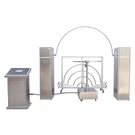


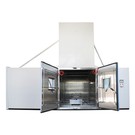

In the world of oral hygiene, electric toothbrushes have become a staple for many individuals seeking a more effective and convenient way to brush their teeth. With the increasing demand for these devices, manufacturers are constantly striving to improve their design and functionality, including making them more resistant to water damage. This is where the IPX4 test comes into play. As an IPX4 test supplier, I am here to shed light on what this test procedure entails and why it is crucial for electric toothbrushes.
Understanding the IP Rating System
Before delving into the IPX4 test procedure, it's essential to understand the IP (Ingress Protection) rating system. This system is an international standard (IEC 60529) that classifies the degree of protection provided by an electrical enclosure against the intrusion of solid objects (like dust) and liquids (such as water). The IP rating consists of two digits: the first digit indicates the level of protection against solids, and the second digit represents the protection against liquids.
For electric toothbrushes, the focus is often on the second digit, which ranges from 0 (no protection against water) to 9 (high-pressure, high-temperature water jets). An IPX4 rating means that the device is protected against splashing water from any direction. This is particularly important for toothbrushes, as they are frequently used in a wet environment, such as a bathroom.
The IPX4 Test Procedure
The IPX4 test procedure is designed to simulate real-world conditions where an electric toothbrush might be exposed to splashing water. Here's a step-by-step breakdown of the test:
Step 1: Preparation
- Sample Selection: A representative sample of the electric toothbrush is selected for testing. This sample should be in its normal operating condition and fully assembled.
- Initial Inspection: The toothbrush is thoroughly inspected before the test to ensure that it is in good working order. Any visible damage or defects are noted.
- Calibration of Equipment: The testing equipment, which typically includes a water spray apparatus, is calibrated to ensure accurate and consistent results.
Step 2: Mounting the Toothbrush
- The toothbrush is securely mounted on a test fixture in a position that allows it to be exposed to water from all directions. The fixture should not interfere with the water spray pattern or the movement of the toothbrush.
Step 3: Water Spray Test
- Spray Pattern: The water spray is directed at the toothbrush from all directions at an angle of up to 180 degrees from the vertical. The spray is applied evenly over the entire surface of the toothbrush.
- Water Pressure and Flow Rate: The water pressure and flow rate are carefully controlled to meet the requirements of the IPX4 standard. The water pressure is typically set at a specific value, and the flow rate is adjusted accordingly to ensure that the toothbrush is exposed to a sufficient amount of water.
- Test Duration: The toothbrush is exposed to the water spray for a specified period, usually 10 minutes. During this time, the toothbrush may be operated to simulate normal use.
Step 4: Post-Test Inspection
- Visual Inspection: After the water spray test is completed, the toothbrush is visually inspected for any signs of water ingress. This includes checking for water inside the housing, on the electrical components, or on the battery.
- Functional Test: The toothbrush is then tested to ensure that it still functions properly. This may include checking the motor, the brush head movement, and any other features of the toothbrush.
Step 5: Evaluation of Results
- Pass or Fail Criteria: Based on the visual inspection and the functional test, the toothbrush is evaluated to determine whether it has passed or failed the IPX4 test. If there is no water ingress and the toothbrush functions normally, it is considered to have passed the test. If there is water ingress or the toothbrush does not function properly, it is considered to have failed the test.
Why is the IPX4 Test Important for Electric Toothbrushes?
The IPX4 test is crucial for electric toothbrushes for several reasons:
Safety
- Preventing Electrical Hazards: Water ingress can cause electrical shorts, which can be dangerous for users. By ensuring that electric toothbrushes have an IPX4 rating, manufacturers can reduce the risk of electrical hazards and protect users from harm.
Durability
- Extending the Lifespan of the Toothbrush: Exposure to water can damage the internal components of an electric toothbrush, leading to premature failure. An IPX4 rating helps to protect the toothbrush from water damage, extending its lifespan and reducing the need for frequent replacements.
User Confidence
- Meeting Customer Expectations: Consumers expect electric toothbrushes to be durable and resistant to water damage. By providing a toothbrush with an IPX4 rating, manufacturers can enhance user confidence and meet customer expectations.
Our Role as an IPX4 Test Supplier
As an IPX4 test supplier, we play a crucial role in ensuring that electric toothbrushes meet the required standards. Here's how we can help:


Expertise and Experience
- In-Depth Knowledge of the IP Rating System: Our team of experts has in-depth knowledge of the IP rating system and the IPX4 test procedure. We can provide accurate and reliable testing services to ensure that your electric toothbrushes meet the required standards.
- Years of Experience in the Industry: We have years of experience in testing electrical products, including electric toothbrushes. Our experience allows us to identify potential issues and provide solutions to improve the performance and reliability of your products.
State-of-the-Art Testing Equipment
- Advanced Water Spray Apparatus: We use advanced water spray apparatus to conduct the IPX4 test. Our equipment is calibrated regularly to ensure accurate and consistent results.
- Other Testing Chambers: In addition to the IPX4 test, we also offer other testing services, such as IP55 Testing Chamber, UL 1703 Water Spray Chamber, and IPX9K Waterproof Test Chamber. These chambers allow us to test your products under different conditions and ensure that they meet the highest standards of quality and reliability.
Customized Testing Solutions
- Tailored to Your Needs: We understand that every customer has unique requirements. That's why we offer customized testing solutions to meet your specific needs. Whether you need a single test or a comprehensive testing program, we can provide the services you need.
Contact Us for IPX4 Testing
If you are a manufacturer of electric toothbrushes or any other electrical products and need IPX4 testing services, we would be happy to assist you. Our team of experts is ready to answer your questions and provide you with a quote for our testing services. Contact us today to discuss your testing needs and take the first step towards ensuring the quality and reliability of your products.
References
- IEC 60529: Degrees of protection provided by enclosures (IP Code). International Electrotechnical Commission.
- Manufacturer's guidelines for electric toothbrushes.