

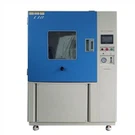
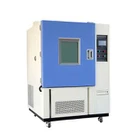
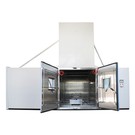

Hey there! As a drying oven supplier, I've been getting a lot of questions lately about the air intake and exhaust design in drying ovens. So, I thought I'd take a few minutes to break it down for you.
First off, let's talk about why air intake and exhaust are so important in a drying oven. The main goal of a drying oven is to remove moisture from whatever you're drying. And to do that effectively, you need to have a good flow of air moving through the oven. The air intake brings in fresh, dry air, while the exhaust removes the moist air that's been heated up inside the oven. This continuous cycle of air exchange helps to speed up the drying process and ensures that the items inside the oven dry evenly.
Air Intake Design
The air intake in a drying oven is where the fresh air enters the system. There are a few key factors to consider when designing the air intake:
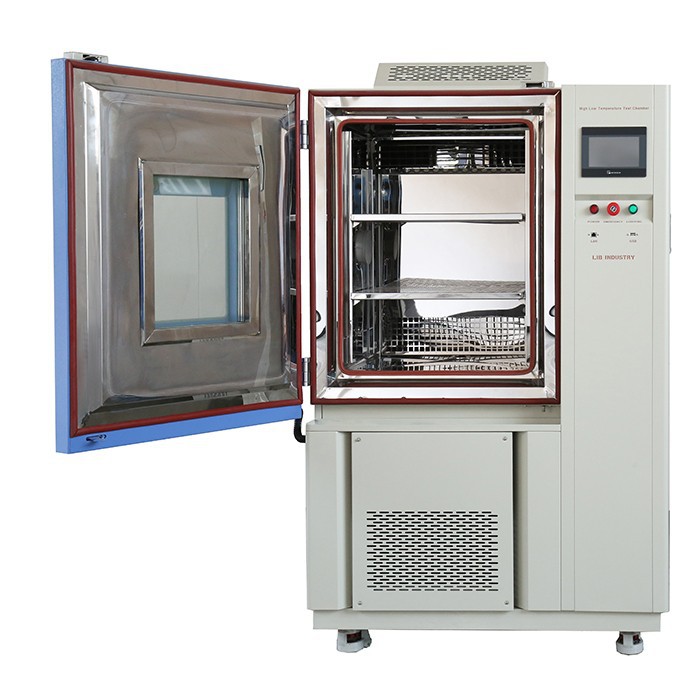
- Location: The location of the air intake is crucial. It should be placed in an area where it can draw in clean, dry air. Avoid placing it near sources of dust, moisture, or other contaminants. For example, if the oven is in a factory setting, the air intake should be positioned away from any machinery that might generate dust or fumes.
- Size: The size of the air intake needs to be appropriate for the size of the oven and the volume of air that needs to be circulated. A too-small air intake can restrict the airflow, which can slow down the drying process and lead to uneven drying. On the other hand, a too-large air intake can cause the oven to lose heat too quickly, which can also affect the drying efficiency.
- Filtration: It's a good idea to include a filter in the air intake to remove any dust or debris from the incoming air. This helps to keep the inside of the oven clean and prevents any contaminants from getting onto the items being dried. There are different types of filters available, such as mesh filters or HEPA filters, depending on the level of filtration required.
Exhaust Design
The exhaust in a drying oven is responsible for removing the moist air from the oven. Here are some important aspects of exhaust design:
- Location: Similar to the air intake, the location of the exhaust is important. It should be placed in an area where the moist air can be easily expelled from the oven and away from the air intake. This helps to prevent the recirculation of moist air back into the oven, which can slow down the drying process.
- Size: The size of the exhaust needs to be large enough to allow for the efficient removal of the moist air. If the exhaust is too small, the pressure inside the oven can build up, which can cause problems with the airflow and the drying process.
- Ducting: The exhaust should be connected to a duct system that leads outside the building. This helps to ensure that the moist air is properly vented and doesn't cause any issues inside the building, such as condensation or mold growth. The ducting should be properly insulated to prevent heat loss and to ensure that the exhaust air is expelled at the right temperature.
Balancing Air Intake and Exhaust
One of the most important things in air intake and exhaust design is to balance the two. If the air intake is too large compared to the exhaust, the oven can become pressurized, which can lead to hot air leaking out of the oven and potential safety hazards. On the other hand, if the exhaust is too large compared to the air intake, the oven can lose too much heat, which can affect the drying efficiency.
To achieve a proper balance, it's important to calculate the required airflow for the oven based on its size, the type of items being dried, and the desired drying time. This can be done using some basic engineering principles and formulas. Once you have the required airflow, you can then size the air intake and exhaust accordingly.
Benefits of a Well-Designed Air Intake and Exhaust System
A well-designed air intake and exhaust system in a drying oven offers several benefits:
- Faster Drying: By ensuring a good flow of air through the oven, the drying process can be significantly sped up. This means that you can dry more items in less time, which can increase your productivity.
- Even Drying: A proper air circulation helps to ensure that all the items inside the oven dry evenly. This reduces the risk of some items being over-dried while others are under-dried.
- Energy Efficiency: A balanced air intake and exhaust system can help to reduce energy consumption. By preventing heat loss and ensuring that the oven operates at the optimal temperature, you can save on energy costs.
- Longer Oven Lifespan: A clean and well-ventilated oven is less likely to experience problems with corrosion, mold growth, or other issues that can shorten its lifespan.
Related Products
If you're interested in other types of testing equipment, we also offer a range of products such as PV Environmental Test Chamber, Environmental Climatic Chamber, and Solar Panel Test Equipment. These products are designed to meet the specific testing needs of different industries.
Contact Us for Purchasing
If you're in the market for a drying oven or have any questions about air intake and exhaust design, don't hesitate to reach out. We're here to help you find the right solution for your needs. Whether you're a small business or a large industrial operation, we have the expertise and products to meet your requirements.
References
- Smith, J. (2020). Principles of Oven Design. Industrial Heating Journal.
- Johnson, A. (2019). Airflow Management in Drying Systems. Process Engineering Review.