


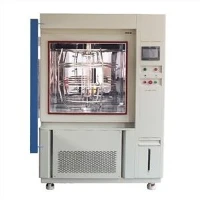
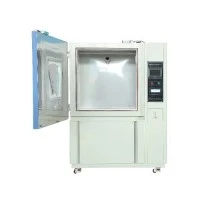
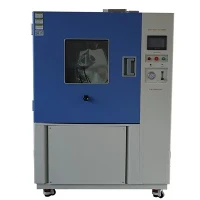
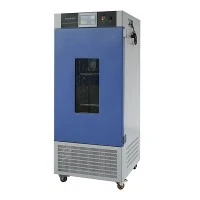
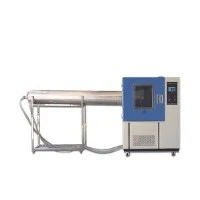
Can a Temp Chamber be Used for Fiber Product Testing?
In the world of material testing, temperature and environmental control play a crucial role in determining the quality and performance of various products. As a supplier of temperature chambers (temp chambers), I often encounter inquiries about the suitability of our chambers for different testing applications. One such question that frequently arises is whether a temp chamber can be used for fiber product testing. In this blog post, I will explore this topic in detail, discussing the capabilities of temp chambers and how they can be effectively utilized in the testing of fiber products.
Understanding Fiber Products and Their Testing Requirements
Fiber products encompass a wide range of materials, including natural fibers such as cotton, wool, and silk, as well as synthetic fibers like polyester, nylon, and acrylic. These fibers are used in various industries, including textiles, automotive, aerospace, and construction, to name a few. The performance of fiber products is influenced by several factors, including temperature, humidity, and mechanical stress. Therefore, it is essential to test these products under controlled environmental conditions to ensure their quality and durability.

The testing requirements for fiber products can vary depending on the specific application and industry standards. Some common tests include:
- Thermal Resistance Testing: This test measures the ability of a fiber product to withstand high temperatures without significant degradation. It is particularly important for fibers used in applications where heat resistance is critical, such as automotive engine components or fire-resistant clothing.
- Moisture Absorption and Desorption Testing: Fibers can absorb and release moisture, which can affect their physical properties and performance. This test measures the amount of moisture a fiber product can absorb and how quickly it can release it under different environmental conditions.
- Mechanical Property Testing: This test evaluates the strength, elasticity, and durability of a fiber product under various mechanical stresses, such as tension, compression, and bending. It is essential for ensuring that the fiber product can withstand the rigors of its intended use.
- Colorfastness Testing: This test measures the ability of a fiber product to retain its color when exposed to different environmental conditions, such as sunlight, washing, and friction. It is important for maintaining the aesthetic appeal of the fiber product over time.
The Capabilities of Temp Chambers for Fiber Product Testing
Temp chambers are designed to create and maintain controlled environmental conditions, including temperature, humidity, and air circulation. They are equipped with advanced sensors and control systems that allow for precise regulation of these parameters, ensuring accurate and repeatable test results. Here are some ways in which temp chambers can be used for fiber product testing:
- Temperature Control: Temp chambers can simulate a wide range of temperatures, from sub-zero to high temperatures, allowing for the evaluation of a fiber product's thermal resistance. By subjecting the fiber product to different temperature conditions, manufacturers can determine its maximum operating temperature and identify any potential issues related to thermal degradation.
- Humidity Control: In addition to temperature, temp chambers can also control humidity levels. This is important for testing the moisture absorption and desorption properties of fiber products. By adjusting the humidity inside the chamber, manufacturers can simulate different environmental conditions and evaluate how the fiber product responds to changes in moisture levels.
- Air Circulation: Proper air circulation is essential for ensuring uniform temperature and humidity distribution inside the temp chamber. This helps to eliminate hot spots and cold spots, ensuring that the fiber product is exposed to consistent environmental conditions throughout the test.
- Programmable Testing Cycles: Many temp chambers are equipped with programmable controllers that allow for the creation of complex testing cycles. This means that manufacturers can simulate real-world conditions by subjecting the fiber product to a series of temperature and humidity changes over a specified period of time. This is particularly useful for testing the long-term performance of fiber products under different environmental conditions.
Examples of Fiber Product Testing Using Temp Chambers
To illustrate the effectiveness of temp chambers in fiber product testing, let's consider a few examples:
- Testing Fire-Resistant Fibers: Fire-resistant fibers are used in a variety of applications, including protective clothing, insulation materials, and automotive components. To ensure their effectiveness, these fibers must be able to withstand high temperatures without igniting or melting. A temp chamber can be used to simulate a fire environment by subjecting the fiber product to high temperatures for a specified period of time. By monitoring the fiber product's performance during the test, manufacturers can determine its fire resistance rating and make any necessary adjustments to improve its performance.
- Testing Moisture-Wicking Fibers: Moisture-wicking fibers are designed to draw moisture away from the body, keeping the wearer dry and comfortable. To evaluate the effectiveness of these fibers, a temp chamber can be used to simulate different levels of humidity and body heat. By measuring the amount of moisture absorbed and released by the fiber product over time, manufacturers can determine its moisture-wicking performance and make any necessary improvements to its design.
- Testing Automotive Textiles: Automotive textiles are exposed to a variety of environmental conditions, including sunlight, heat, and moisture. To ensure their durability and performance, these textiles must be able to withstand these conditions without significant degradation. A temp chamber can be used to simulate these conditions by subjecting the automotive textile to a series of temperature, humidity, and light cycles. By monitoring the textile's performance during the test, manufacturers can identify any potential issues and make any necessary adjustments to improve its quality.
Choosing the Right Temp Chamber for Fiber Product Testing
When selecting a temp chamber for fiber product testing, there are several factors to consider:
- Temperature and Humidity Range: The temp chamber should be able to provide the temperature and humidity range required for your specific testing needs. Make sure to choose a chamber that can reach the maximum and minimum temperatures and humidity levels you need to simulate.
- Chamber Size: The size of the temp chamber should be large enough to accommodate the fiber product you need to test. Consider the dimensions of the fiber product and any additional equipment or fixtures that may be required for the test.
- Control Accuracy: The temp chamber should have a high level of control accuracy to ensure precise regulation of temperature and humidity. Look for a chamber that uses advanced sensors and control systems to maintain tight tolerances.
- Programmability: If you need to perform complex testing cycles, choose a temp chamber that is equipped with a programmable controller. This will allow you to create custom testing profiles and automate the testing process, saving time and improving efficiency.
- Safety Features: Safety is always a top priority when working with temp chambers. Make sure the chamber is equipped with safety features such as over-temperature protection, door interlocks, and emergency stop buttons to prevent accidents and protect your personnel and equipment.
Conclusion
In conclusion, temp chambers can be effectively used for fiber product testing. Their ability to create and maintain controlled environmental conditions, including temperature, humidity, and air circulation, makes them an ideal tool for evaluating the performance and durability of fiber products. By using a temp chamber, manufacturers can ensure that their fiber products meet the highest quality standards and are suitable for their intended applications.
If you are interested in learning more about how our temp chambers can be used for fiber product testing or if you have any specific testing requirements, please feel free to contact us. Our team of experts will be happy to assist you in choosing the right temp chamber for your needs and provide you with a customized testing solution.
References
- ASTM International. (2023). ASTM Standards for Textile Testing. Retrieved from https://www.astm.org/category/textiles.html
- ISO. (2023). ISO Standards for Textile Testing. Retrieved from https://www.iso.org/standard/62536.html
- Textile Institute. (2023). Textile Testing Manual. Retrieved from https://www.textileinstitute.org/resources/publications/textile-testing-manual