


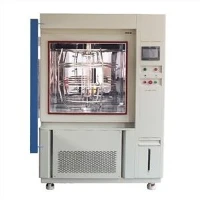
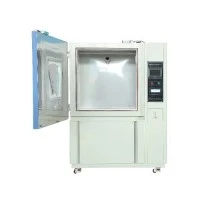
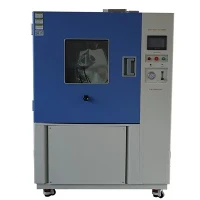
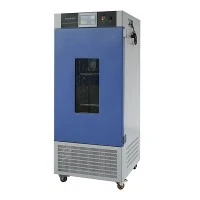
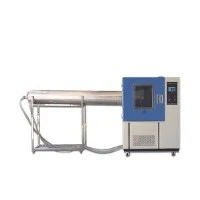
Hey there! As a supplier of CCT (Cyclic Corrosion Testing) chambers, I've seen firsthand how crucial it is to optimize their performance. Whether you're in the automotive, aerospace, or electronics industry, getting accurate and reliable corrosion test results is key. So, let's dive into some practical tips on how to make your CCT chambers work like a charm.
Understanding Your CCT Chamber
First things first, you gotta know your machine inside out. CCT chambers are designed to simulate real - world corrosion conditions by cycling through different environmental factors like humidity, temperature, and salt spray. Each chamber is unique, with its own set of features and capabilities.
Take a good look at the user manual. Yeah, I know it can be a bit of a snooze - fest, but it's full of valuable info. It'll tell you about the chamber's operating limits, recommended maintenance schedules, and how to troubleshoot common issues. If you're not sure about something, don't hesitate to reach out to the manufacturer (like us!) for clarification.
Calibration is Key
Calibration is like the tune - up for your car. It ensures that your CCT chamber is measuring and controlling environmental conditions accurately. Regular calibration is a must - do. You should calibrate the temperature sensors, humidity sensors, and any other critical components at least once a year, or more often if you're using the chamber intensively.
Using certified calibration equipment is essential. This way, you can be confident that the measurements are traceable to national or international standards. And don't forget to keep records of all your calibration activities. It's not only good practice but also might be required for quality control or regulatory compliance.
Proper Loading and Sample Placement
How you load your samples into the CCT chamber can have a big impact on the test results. Make sure you're not overloading the chamber. Overcrowding can disrupt the airflow and create uneven environmental conditions inside. This can lead to inconsistent corrosion rates across your samples.
When placing the samples, follow the recommended spacing guidelines. Samples should be positioned in a way that allows for proper exposure to the salt spray, humidity, and temperature changes. Avoid stacking samples on top of each other, as this can block the spray and prevent uniform corrosion.
Maintenance and Cleaning
Regular maintenance is the secret sauce to keeping your CCT chamber running smoothly. Start with the exterior. Wipe down the chamber regularly to remove dust and debris. This not only keeps the machine looking good but also prevents dirt from getting into the internal components.
Inside the chamber, pay special attention to the salt spray system. The Nozzle Salt Spray Fog Corrosion Tester is a critical part of the setup. Clean the nozzles regularly to prevent clogging. A clogged nozzle can lead to uneven salt spray distribution, which messes up your test results.
Check the water reservoir and replace the water regularly. Using distilled or deionized water is recommended to prevent mineral buildup. Also, inspect the seals and gaskets for any signs of wear or damage. Leaky seals can cause humidity and temperature fluctuations inside the chamber.
Software and Control System Updates
Most modern CCT chambers come with advanced software and control systems. These systems allow you to program and monitor the test cycles easily. However, just like your smartphone, these systems need updates.
Manufacturers often release software updates to improve performance, add new features, or fix bugs. Make sure you're keeping your chamber's software up - to - date. You can usually download the updates from the manufacturer's website and install them following the provided instructions.
Airflow Management
Good airflow is essential for maintaining uniform environmental conditions inside the CCT chamber. Check the air intake and exhaust vents regularly to make sure they're not blocked. Blocked vents can cause hot spots or uneven humidity levels.


You might also want to consider using airflow baffles or diffusers. These can help distribute the air more evenly throughout the chamber. This is especially important if you have a large chamber or if you're testing a variety of sample sizes and shapes.
Monitoring and Data Logging
Continuous monitoring and data logging are great ways to keep an eye on your CCT chamber's performance. Most chambers come with built - in sensors that can measure temperature, humidity, and other parameters. Make use of these sensors and set up a data logging system.
By analyzing the logged data, you can detect any trends or anomalies in the chamber's operation. For example, if you notice a gradual increase in temperature over time, it could be a sign of a malfunctioning heater. Early detection of such issues can save you a lot of time and money in the long run.
Choosing the Right Salt Solution
The salt solution you use in your CCT chamber can significantly affect the test results. Different industries and standards may require different types of salt solutions. For example, some tests use a 5% sodium chloride solution, while others may use a more complex mixture.
Make sure you're using a high - quality salt that meets the required purity standards. Impurities in the salt can lead to inaccurate test results. Also, prepare the salt solution correctly, following the recommended concentration and mixing procedures.
Training Your Staff
Last but not least, your staff needs to be well - trained on how to operate and maintain the CCT chamber. Provide comprehensive training to all users, including new employees. Training should cover everything from basic operation to advanced troubleshooting.
Encourage your staff to ask questions and share their experiences. This can help identify any areas where the chamber's performance could be improved. And don't forget to provide ongoing training to keep your staff up - to - date with the latest best practices.
Wrapping It Up
Optimizing the performance of your CCT chamber is a multi - faceted process. It involves understanding the machine, regular calibration, proper maintenance, and good operating practices. By following these tips, you can ensure that your chamber is delivering accurate and reliable corrosion test results.
If you're looking to purchase a new CCT chamber or need help optimizing the performance of your existing one, we're here to help. We've got a wide range of Basic Corrosion Chamber options and Electric Salt Spray Testing Machine models to suit your specific needs. Contact us today to start a conversation about how we can assist you in your corrosion testing requirements.
References
- ASTM International. Standard practices for operating salt spray (fog) apparatus.
- ISO standards related to cyclic corrosion testing.
- Manufacturer's user manuals for CCT chambers.