

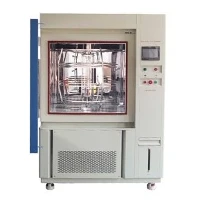
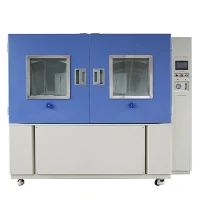
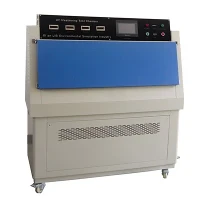
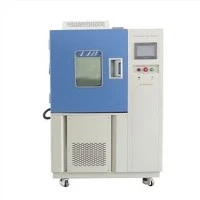
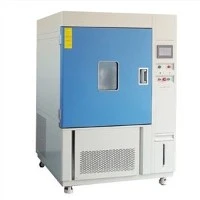
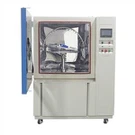
Can a temp chamber be used for leather product testing? You bet it can! As a temp chamber supplier, I've seen firsthand how these versatile pieces of equipment can be a game - changer in the leather industry.
Let's start by understanding what a temp chamber is. A temperature chamber, or temp chamber for short, is a specialized device that allows you to control and simulate different environmental conditions, such as temperature and humidity. It's like a mini - climate control system that can mimic the real - world situations your leather products might encounter.


Leather products are used in a wide range of applications, from fashion items like jackets and handbags to automotive interiors and furniture. Each of these uses exposes the leather to different environmental stresses. For example, a leather car seat might have to withstand high temperatures from the sun on a hot summer day, while a leather handbag could be exposed to cold and damp conditions during a winter walk.
One of the key aspects of leather product testing is evaluating its durability under various temperatures. In a temp chamber, you can subject leather samples to extreme heat and cold to see how they hold up. High - temperature testing is crucial because excessive heat can cause leather to dry out, crack, or lose its shape. By using a High Temperature Chambers, you can set the chamber to a specific high temperature, say 60°C or even higher, and monitor the leather's behavior over time. You might notice that the leather starts to shrink or become stiffer, which are signs of potential quality issues.
On the other hand, low - temperature testing is also important. Cold temperatures can make leather more brittle, and it might be more prone to cracking when bent or flexed. With a temp chamber, you can lower the temperature to freezing points or below and check how the leather responds. This is especially relevant for leather products used in cold climates.
Humidity is another factor that can significantly affect leather. Leather is a natural material that can absorb and release moisture. In a high - humidity environment, leather can become soft and lose its structure, and it might also be more susceptible to mold growth. Conversely, in a low - humidity environment, it can dry out and crack. A temp chamber allows you to control the humidity levels precisely, so you can test how leather behaves under different moisture conditions. You can simulate a tropical rainforest - like environment with high humidity or a dry desert - like setting with low humidity.
Colorfastness is yet another aspect of leather product testing. Sunlight and different temperatures can cause the color of leather to fade over time. In a temp chamber, you can expose leather samples to a combination of light and heat to accelerate the aging process and see how the color holds up. This helps manufacturers ensure that their leather products maintain their aesthetic appeal for a long time.
When it comes to testing leather for different industries, the requirements can vary. For the automotive industry, leather used in car interiors needs to meet strict standards for durability, heat resistance, and colorfastness. A temp chamber can be used to conduct long - term tests to ensure that the leather can withstand the harsh conditions inside a car, such as the heat from the engine and the sun's rays through the windshield.
In the fashion industry, designers are often concerned with the look and feel of the leather. They want to make sure that the leather doesn't change its texture or appearance under normal wear and tear. A temp chamber can be used to test the leather's resistance to rubbing, bending, and exposure to different temperatures during the manufacturing process and after the product is finished.
Now, let's talk about the types of temp chambers that are suitable for leather product testing. We have the Battery Test Chamber, which, although it's named for battery testing, can also be used for leather testing in some cases. It can provide precise temperature and humidity control, which is essential for accurate testing results. The High Low Temperature Oven is another option. It's designed to handle a wide range of temperatures, from extremely low to very high, making it ideal for comprehensive leather testing.
Using a temp chamber for leather product testing offers several advantages. Firstly, it provides a controlled environment, which means that you can repeat the tests under the same conditions and get consistent results. This is much better than relying on real - world testing, where the environmental conditions can vary greatly. Secondly, it allows you to accelerate the testing process. Instead of waiting months or years to see how leather ages in the real world, you can simulate years of wear and tear in a matter of weeks or even days in a temp chamber.
If you're in the leather industry and are looking to improve the quality of your products, investing in a temp chamber is a smart move. It can help you identify potential issues early in the manufacturing process, save costs in the long run by reducing product recalls, and enhance your brand reputation by delivering high - quality leather products.
Whether you're a small - scale leather craftsman or a large - scale leather manufacturer, a temp chamber can be a valuable addition to your testing equipment. It gives you the ability to test your leather products thoroughly and ensure that they meet the highest standards of quality.
If you're interested in learning more about our temp chambers or want to discuss your specific leather product testing needs, don't hesitate to reach out. We're here to help you find the perfect solution for your business.
References
- Leather Industry Handbook: A comprehensive guide on leather production and quality control.
- Journal of Leather Science and Technology: Articles on the latest research and testing methods in the leather industry.