


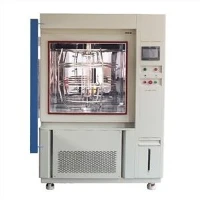
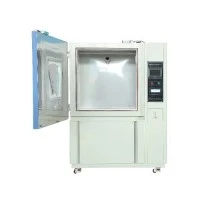
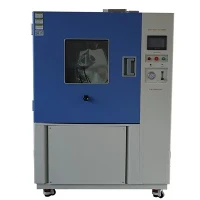
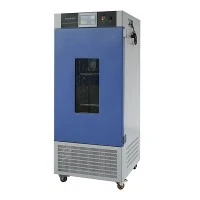
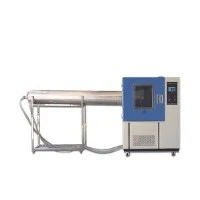
Can a test chamber be used for wood testing? You bet it can! As a test chamber supplier, I've seen firsthand how these chambers can be invaluable for wood testing. Let's dive in and explore how test chambers can be used in the wood industry.
Why Wood Testing Matters
Before we get into the nitty - gritty of using test chambers, let's talk about why wood testing is so important. Wood is a natural material, and its properties can vary widely depending on factors like the type of tree, the growing conditions, and how it's processed. For industries that rely on wood, such as construction, furniture - making, and paper production, knowing the exact properties of the wood they're using is crucial.
Testing helps ensure that the wood meets the required standards for strength, durability, and stability. For example, in construction, weak or unstable wood can lead to structural failures. In furniture - making, wood that doesn't hold up well over time can result in customer dissatisfaction. So, accurate testing is a must.
Types of Tests for Wood
There are several types of tests that can be performed on wood, and test chambers can play a key role in many of them.
Moisture Content Testing
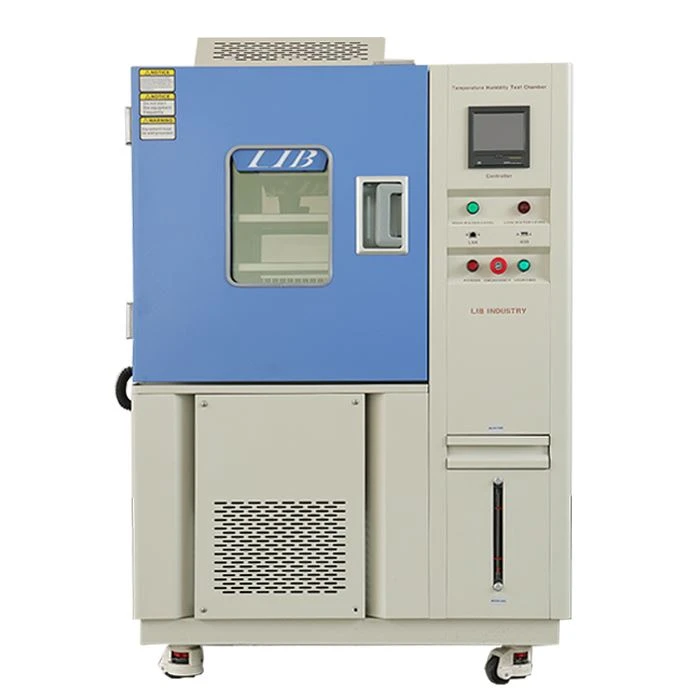
Wood is hygroscopic, which means it can absorb and release moisture depending on the surrounding environment. The moisture content of wood can significantly affect its strength, dimensional stability, and resistance to decay. A test chamber can create controlled humidity and temperature conditions to simulate different environments. By placing wood samples in the chamber and monitoring how they absorb or release moisture over time, we can accurately measure the moisture content and understand how the wood will behave in real - world situations. You can use our Temp RH Chamber for this kind of testing. It allows you to precisely control temperature and relative humidity, which are the two main factors influencing wood's moisture absorption.
Durability and Decay Resistance Testing
Wood is susceptible to decay caused by fungi, insects, and other organisms. To test a wood's durability, samples can be placed in a test chamber with controlled environmental conditions that promote the growth of decay - causing agents. For instance, a warm and humid environment is ideal for fungal growth. By exposing the wood to these conditions in a chamber, we can observe how quickly the wood decays and evaluate its resistance. This type of testing is crucial for applications where the wood will be exposed to harsh outdoor conditions, like decking or outdoor furniture.
Strength and Stiffness Testing
The strength and stiffness of wood are important properties, especially in construction. Test chambers can be used to simulate different loading conditions and environmental factors that can affect these properties. For example, changes in temperature and humidity can cause the wood to expand or contract, which may in turn affect its strength. By conducting strength tests in a test chamber under controlled environmental conditions, we can get more accurate results that take these factors into account. Our Environmental Vibration Test Chamber can be used to simulate vibration and environmental conditions simultaneously, which is useful for testing the wood's performance under real - world dynamic loads.

Chemical Resistance Testing
In some cases, wood may come into contact with chemicals, such as in industrial settings or when treated with wood preservatives. A test chamber can be used to expose the wood to different chemicals under controlled conditions. This helps determine how the wood will react to the chemicals, whether it will be damaged, or if its properties will change.
Advantages of Using Test Chambers for Wood Testing
Using test chambers for wood testing offers several advantages.
Precision and Control
One of the biggest advantages is the ability to control the testing environment precisely. In a real - world setting, it's difficult to isolate the variables that affect wood properties. But in a test chamber, you can set specific temperature, humidity, and other environmental conditions, which allows for more accurate and repeatable testing results. This precision is essential for industries that need to meet strict quality standards.
Time - Saving
Testing wood in the real world can take a long time, especially for tests like durability and decay resistance. In a test chamber, you can accelerate the testing process by creating extreme environmental conditions that would normally take months or even years to occur naturally. This means you can get the test results much faster and make decisions about the wood more quickly.
Safety
Some wood tests involve exposing the wood to potentially harmful substances or conditions, such as chemicals or high - energy radiation. A test chamber provides a safe and contained environment for these tests, protecting the operators and the surrounding environment from any potential hazards.
Challenges and Considerations
While test chambers are great for wood testing, there are also some challenges and considerations to keep in mind.
Cost
Test chambers can be expensive to purchase and maintain. However, when you consider the long - term benefits, such as accurate testing results, time - saving, and improved product quality, the investment can be well worth it. As a test chamber supplier, we offer a range of chambers at different price points to meet the needs and budgets of different customers.
Sample Representation
It's important to ensure that the wood samples used in the test chamber are representative of the entire batch of wood. Wood properties can vary within a single tree and between different trees of the same species. So, proper sampling techniques need to be used to get reliable results.
Calibration
Test chambers need to be calibrated regularly to ensure that the environmental conditions they create are accurate. Incorrect calibration can lead to inaccurate test results, so it's crucial to have a proper calibration schedule in place.
Conclusion
In conclusion, test chambers can definitely be used for wood testing, and they offer a lot of benefits in terms of precision, control, time - saving, and safety. Whether you're testing wood for construction, furniture - making, or any other application, a test chamber can be a valuable tool in your testing arsenal.
If you're in the wood industry and looking for a reliable test chamber for your wood testing needs, we're here to help. We offer a wide range of test chambers, including the Temp RH Chamber, Environmental Vibration Test Chamber, and Condensation Temperature Test Chamber. Contact us to discuss your specific requirements and let's start a conversation about how our test chambers can improve your wood testing process.
References
- ASTM International standards for wood testing
- Wood Handbook: Wood as an Engineering Material, USDA Forest Service