

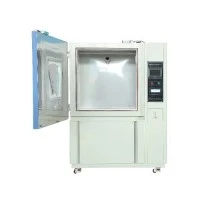
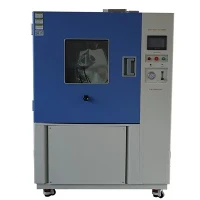
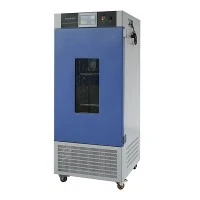
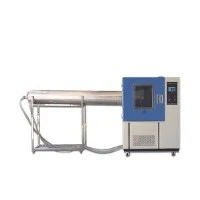
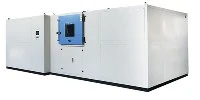
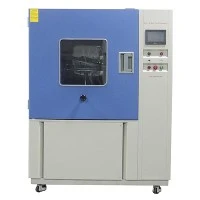
What are IP chambers? Well, let me break it down for you in plain English. IP stands for Ingress Protection. It's a rating system that tells you how well a particular enclosure or device can stand up to the intrusion of solid objects and liquids. IP chambers are the testing equipment used to figure out this rating.
So, how do these IP chambers work? Essentially, they simulate different environmental conditions to see how a device holds up. For solid object protection, they might test for things like dust ingress. They'll use fine particles to see if they can get into the device. And for liquid protection, it could be anything from water splashes to full submersion.
As an IP chambers supplier, I've seen firsthand the importance of accurate testing. Industries like electronics, automotive, and outdoor equipment rely on these tests to ensure their products are safe and reliable. For example, a smartphone manufacturer needs to know if their device can handle a bit of rain or an accidental spill. That's where an IP test chamber comes in.
Let's talk about different types of IP chambers. One common type is the IP54 Waterproof Test Chamber. This chamber is designed to test devices against dust and water splash. The "5" in IP54 means it offers a high level of protection against dust, while the "4" indicates protection from water splashing from any direction. It's great for products that are going to be used in moderately dusty or wet environments, like some industrial control panels.
Another type is the Vehicle Blowing Rain Test Chamber. As the name suggests, it's used to test vehicles' resistance to blowing rain. Cars, trucks, and motorcycles all need to be able to withstand rain driving against them at various speeds. This chamber can simulate different wind and rain conditions, giving automotive manufacturers a clear idea of how their vehicles will perform in the real world.
Then there's the IP 68 Tester. This is for the most extreme cases of water and dust protection. The "6" means complete protection against dust ingress, and the "8" indicates that the device can be submerged in water for a long time at a certain depth without damage. You'll often see this rating on things like diving watches or underwater cameras.
When it comes to choosing an IP chamber, there are a few things to consider. First, you need to know what IP rating you're testing for. Different products will have different requirements. Second, think about the size of the chamber. You need to make sure it's big enough to accommodate your product. And finally, consider the accuracy and reliability of the chamber. You want to get accurate results every time.
As an IP chambers supplier, I can tell you that we're constantly working on improving our technology. We're always looking for ways to make the testing process more efficient and accurate. We also offer support and training to our customers, so they can get the most out of their IP chambers.
If you're in an industry that requires IP testing, you know how important it is to have reliable equipment. Whether you're a small startup or a large corporation, having the right IP chamber can make a big difference in the quality of your products. And that's where we come in. We're here to provide you with the best IP chambers on the market.
If you're interested in learning more about our IP chambers or have any questions about IP testing, don't hesitate to reach out. We're happy to have a chat and see how we can help you with your testing needs. Whether you're just starting out with IP testing or looking to upgrade your existing equipment, we've got the solutions for you.
Let's work together to ensure your products meet the highest standards of quality and reliability. Contact us today to discuss your requirements and start the process of getting the perfect IP chamber for your business.


References:
- General knowledge about IP rating systems and testing equipment from industry experience.