


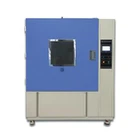


As a supplier of vacuum ovens, I often encounter various inquiries from customers about the suitability of our products for different applications. One question that has come up quite frequently is, "Can a vacuum oven be used for drying leather?" In this blog post, I'll delve into the science behind leather drying, the advantages of using a vacuum oven for this purpose, and some key considerations to keep in mind.


Understanding Leather Drying
Leather is a natural material derived from animal hides. During the tanning process, water is used to treat the hides, and subsequently, this water needs to be removed to achieve the desired properties of the leather, such as flexibility, durability, and resistance to mold and decay. Traditional methods of leather drying include air - drying and using conventional ovens. However, these methods have their limitations.
Air - drying is a slow process that can take days or even weeks, depending on the environmental conditions. It also exposes the leather to dust, dirt, and potential microbial growth. Conventional ovens, on the other hand, operate at atmospheric pressure and use hot air to remove moisture. While they are faster than air - drying, they can cause uneven drying, shrinkage, and damage to the leather's structure due to high temperatures and the presence of oxygen.
How Vacuum Ovens Work
A vacuum oven creates a low - pressure environment inside the chamber. By reducing the pressure, the boiling point of water is significantly lowered. For example, at standard atmospheric pressure (1 atm), water boils at 100°C. But in a vacuum oven, when the pressure is reduced, water can boil at much lower temperatures, sometimes as low as 30 - 40°C.
This low - temperature drying process is ideal for delicate materials like leather. The reduced oxygen levels in the vacuum environment also prevent oxidation and discoloration of the leather. Additionally, the uniform heat distribution in a well - designed vacuum oven ensures that the leather dries evenly, minimizing the risk of shrinkage and warping.
Advantages of Using a Vacuum Oven for Leather Drying
- Low - Temperature Drying: As mentioned earlier, the ability to dry leather at lower temperatures is crucial. Leather contains proteins and fibers that can be damaged by high heat. A vacuum oven allows for gentle drying, preserving the natural texture and strength of the leather.
- Faster Drying Time: Compared to air - drying, a vacuum oven can significantly reduce the drying time. The low - pressure environment accelerates the evaporation of water from the leather, allowing for more efficient production processes.
- Improved Quality: The uniform drying process in a vacuum oven results in a higher - quality end product. There is less risk of uneven drying, shrinkage, and cracking, which are common issues with traditional drying methods.
- Reduced Oxidation: The absence of oxygen in the vacuum chamber prevents the oxidation of the leather, which can cause discoloration and deterioration over time. This helps to maintain the aesthetic appeal and longevity of the leather.
Key Considerations
While a vacuum oven offers many advantages for leather drying, there are some important factors to consider:
- Leather Type: Different types of leather, such as full - grain, top - grain, and bonded leather, may require different drying parameters. It's essential to understand the specific characteristics of the leather being dried and adjust the vacuum level, temperature, and drying time accordingly.
- Initial Moisture Content: The amount of water in the leather before drying will affect the drying process. Leather with a high initial moisture content may require a longer drying time or a more aggressive vacuum setting.
- Vacuum Oven Capacity: Ensure that the vacuum oven you choose has the appropriate capacity for your leather drying needs. Overloading the oven can lead to uneven drying and poor results.
Other Related Chambers
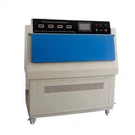
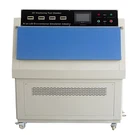
In addition to vacuum ovens, we also offer other types of chambers that may be relevant to the leather industry. For more precise environmental control, you might be interested in our Stability Chamber. This chamber is designed to maintain a constant temperature and humidity, which can be useful for conditioning leather after drying or for long - term storage.
Our Low High Temp And Humidity Chamber allows for a wide range of temperature and humidity settings, which can be used for testing the performance of leather under different environmental conditions. And our Drying And Heating Chamber can be an alternative option for some leather drying applications, especially when a vacuum environment is not strictly necessary.
Conclusion
In conclusion, a vacuum oven can be an excellent choice for drying leather. Its ability to provide low - temperature, uniform, and oxygen - free drying makes it a superior alternative to traditional drying methods. By investing in a high - quality vacuum oven, leather manufacturers can improve the quality of their products, increase production efficiency, and reduce waste.
If you're in the leather industry and are considering upgrading your drying equipment, we'd love to discuss your specific needs. Our team of experts can help you select the right vacuum oven or other chamber for your applications. Contact us today to start the conversation about how our products can benefit your business.
References
- "Leather Science and Technology" by R. J. Young and P. A. Lovell
- "Vacuum Technology Handbook" by A. Roth