

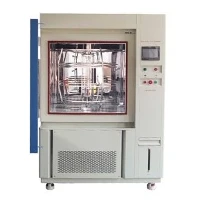
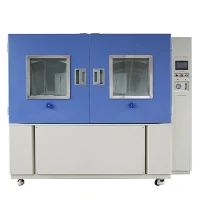
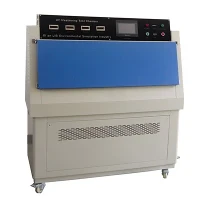
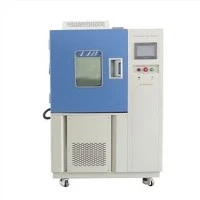
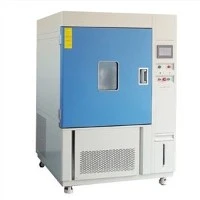
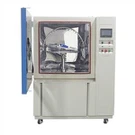
Hey there! As a supplier of Xenon testers, I often get asked this question: Can a Xenon tester be used for testing automotive parts? Well, let's dive right into it and find out.
First off, let's understand what a Xenon tester is. A Xenon tester, like the ones we offer, such as the Xenon Arc Lamp Acceleration Aging Test Chamber, Xenon Arc Test Equipment, and Xenon Lamp Aging Tester, is a powerful tool used to simulate real - world environmental conditions in a controlled laboratory setting. It uses a Xenon arc lamp to produce a light spectrum that closely mimics natural sunlight, including ultraviolet (UV), visible, and infrared (IR) radiation.
Now, why is this important for automotive parts? Automotive parts are exposed to a wide range of environmental factors throughout their lifespan. They have to withstand intense sunlight, extreme temperatures, humidity, and even pollution. These factors can cause various types of damage to the parts, such as color fading, cracking, embrittlement, and loss of mechanical properties.
Let's take a closer look at how Xenon testers can be used to test different automotive components.


Exterior Parts
Exterior parts of a car, like bumpers, grilles, and body panels, are constantly exposed to sunlight. The UV radiation in sunlight can break down the polymers used in these parts, leading to color changes and surface degradation. A Xenon tester can simulate years of sunlight exposure in a relatively short period. By placing the parts inside the tester, we can monitor how they react to the simulated sunlight. For example, we can measure the color change using a colorimeter and check for any signs of cracking or surface roughness. This helps automotive manufacturers ensure that their exterior parts will maintain their appearance and integrity over time.
Interior Parts
Interior parts, such as dashboard materials, seat covers, and steering wheel grips, are also affected by sunlight and heat. The intense heat from the sun can cause the materials to expand and contract, which may lead to warping or cracking. Additionally, the UV radiation can fade the colors of these parts, making them look old and worn out. Xenon testers can simulate the combined effects of sunlight and heat on these interior components. By adjusting the temperature and humidity settings inside the tester, we can create a realistic environment that mimics the conditions inside a parked car on a hot summer day. This allows manufacturers to select materials that are resistant to heat and UV damage, ensuring a long - lasting and aesthetically pleasing interior.
Electrical Components
Automotive electrical components, like wiring harnesses and connectors, are sensitive to environmental factors. The UV radiation can degrade the insulation materials, increasing the risk of electrical shorts. High temperatures can also affect the conductivity of the wires and the performance of the connectors. Xenon testers can be used to test the durability of these electrical components. By subjecting them to the simulated sunlight and heat, we can check for any changes in electrical properties, such as resistance and insulation resistance. This helps ensure the safety and reliability of the electrical systems in a car.
Rubber and Plastic Seals
Rubber and plastic seals are used to prevent water, dust, and noise from entering the car. These seals are exposed to sunlight, moisture, and temperature changes, which can cause them to lose their elasticity and sealing properties. Xenon testers can simulate these environmental conditions to test the aging resistance of the seals. We can measure the change in hardness, elongation, and compression set of the seals after exposure to the simulated environment. This information helps manufacturers select the right materials for seals that will provide long - term sealing performance.
One of the main advantages of using a Xenon tester for automotive part testing is the ability to accelerate the aging process. In real - world conditions, it may take years for the effects of environmental exposure to become apparent. With a Xenon tester, we can speed up this process and obtain test results in a matter of weeks or months. This allows automotive manufacturers to make design changes and material selections more quickly, reducing the time to market for new vehicles.
Another advantage is the reproducibility of the test results. Since the Xenon tester creates a controlled environment, the test conditions can be precisely replicated. This means that different batches of automotive parts can be tested under the same conditions, allowing for accurate comparisons and quality control.
However, it's important to note that while Xenon testers are a valuable tool, they are not a perfect substitute for real - world testing. Real - world conditions are complex and variable, and there may be some factors that are difficult to simulate in a laboratory. Therefore, a combination of laboratory testing using Xenon testers and real - world field testing is often the best approach for ensuring the quality and durability of automotive parts.
In conclusion, Xenon testers are definitely a useful tool for testing automotive parts. They can help automotive manufacturers identify potential problems early in the design and production process, leading to better - quality products and increased customer satisfaction.
If you're an automotive manufacturer or a supplier looking for reliable Xenon testing solutions, we're here to help. Our range of Xenon Arc Lamp Acceleration Aging Test Chamber, Xenon Arc Test Equipment, and Xenon Lamp Aging Tester is designed to meet your specific testing needs. Contact us to discuss your requirements and let's work together to ensure the quality and durability of your automotive parts.
References
- ASTM International. (2023). Standard Practice for Operating Xenon Arc Light Apparatus for Exposure of Non - metallic Materials. ASTM G155 - 13(2023).
- ISO. (2019). Plastics - Methods of exposure to laboratory light sources - Part 2: Xenon - arc sources. ISO 4892 - 2:2019.